
The cornerstone of a healthy guinea pig diet, as underscored by numerous reputable sources, including Supertails and veterinary experts, is the provision of unlimited fresh hay. This is not simply a supplementary food source; it forms the very foundation of their nutritional intake and plays a multifaceted role in their well-being. Primarily, hay is indispensable for maintaining proper digestive health. Guinea pigs possess a hindgut fermentation system, similar to horses and rabbits, which relies heavily on a constant intake of high-fiber material to facilitate the complex microbial processes necessary for nutrient absorption. The long strands of hay promote healthy gut motility, preventing potentially life-threatening conditions such as gastrointestinal stasis. Furthermore, the act of chewing hay is crucial for dental wear. Guinea pigs’ teeth are open-rooted, meaning they grow continuously throughout their lives. The abrasive action of grinding hay helps to naturally wear down their incisors and molars, preventing overgrowth, which can lead to severe pain, difficulty eating, and the need for costly veterinary intervention. Timothy hay is widely considered the gold standard for adult guinea pigs due to its balanced fiber and calcium content. Other suitable grass hays include meadow hay and orchard grass hay. While alfalfa hay, with its higher calcium and protein levels, can be beneficial for young, growing guinea pigs or pregnant and nursing mothers, it should be offered sparingly to adult guinea pigs to avoid potential issues like bladder stones due to excessive calcium intake.
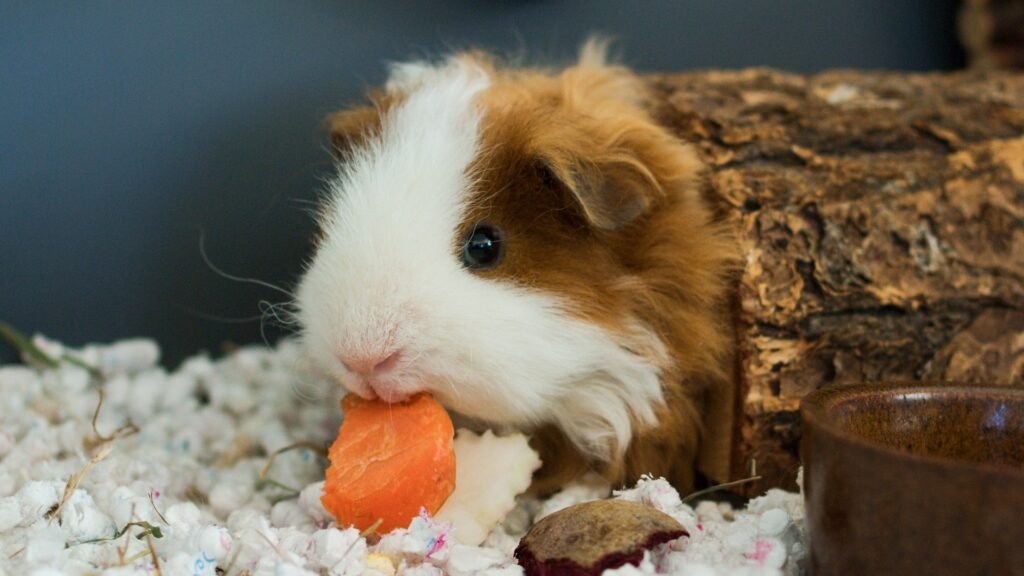
Supplementing this essential hay component are high-quality guinea pig pellets. These commercially formulated diets are designed to provide a concentrated source of essential vitamins, minerals, and protein that may not be adequately met by hay and fresh vegetables alone. It is crucial to select pellets specifically formulated for guinea pigs, as rabbit or other animal pellets may lack the necessary nutrients, particularly vitamin C. Guinea pigs, like humans, are unable to synthesize their own vitamin C and require a dietary source to prevent scurvy, a debilitating condition characterized by lethargy, joint pain, and poor wound healing. The pellets should be fresh and stored properly, as vitamin C content degrades over time, especially once the bag is opened. A small, measured portion of pellets should be offered daily, adhering to the manufacturer’s recommendations based on the guinea pig’s weight and age. Overfeeding pellets can lead to obesity and other health problems, especially if the guinea pig then consumes less hay, compromising their dental and digestive health. It is important to view pellets as a supplement, not the primary component of the diet.
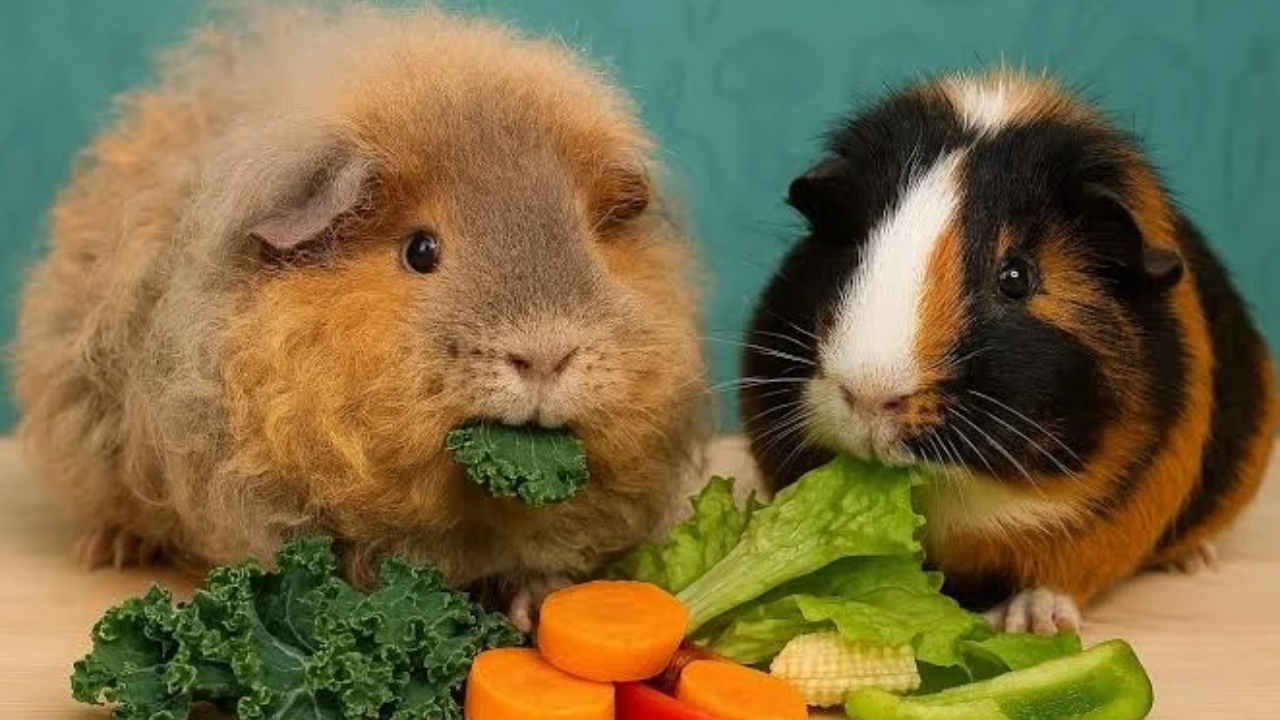
A vibrant array of fresh vegetables plays a vital role in providing essential vitamins, minerals, and hydration to guinea pigs. Offering a daily selection of diverse leafy greens and other suitable vegetables not only adds variety and enrichment to their diet but also ensures a broader spectrum of nutrients. Excellent choices for daily feeding include leafy greens such as romaine lettuce, kale, parsley, and cilantro. These are generally well-tolerated and provide valuable vitamins and minerals. Other beneficial vegetables include bell peppers (especially red, yellow, and orange varieties, which are rich in vitamin C), cucumber, and small amounts of carrots and sweet potatoes (due to their higher sugar content, these should be offered in moderation). It is crucial to thoroughly wash all vegetables before feeding to remove any potential pesticide residues or contaminants. Introducing new vegetables gradually and in small quantities can help to identify any potential sensitivities or digestive upset.
Addressing the critical need for vitamin C is paramount in a guinea pig’s diet. As mentioned earlier, these animals cannot produce their own and are prone to deficiency if their dietary intake is inadequate. While some high-quality pellets are fortified with vitamin C, this vitamin is unstable and degrades relatively quickly. Therefore, relying solely on pellets for vitamin C is not recommended. The most reliable way to ensure sufficient vitamin C intake is through the daily provision of fresh, vitamin C-rich vegetables such as bell peppers and parsley. Other good sources include kale, broccoli (in moderation), and spinach (also in moderation due to its calcium content). Some caregivers may also choose to supplement with liquid vitamin C specifically formulated for guinea pigs, administered directly into the mouth or added to their water. However, vitamin C in water degrades rapidly and may also make the water less palatable, so direct oral supplementation is often preferred under veterinary guidance.
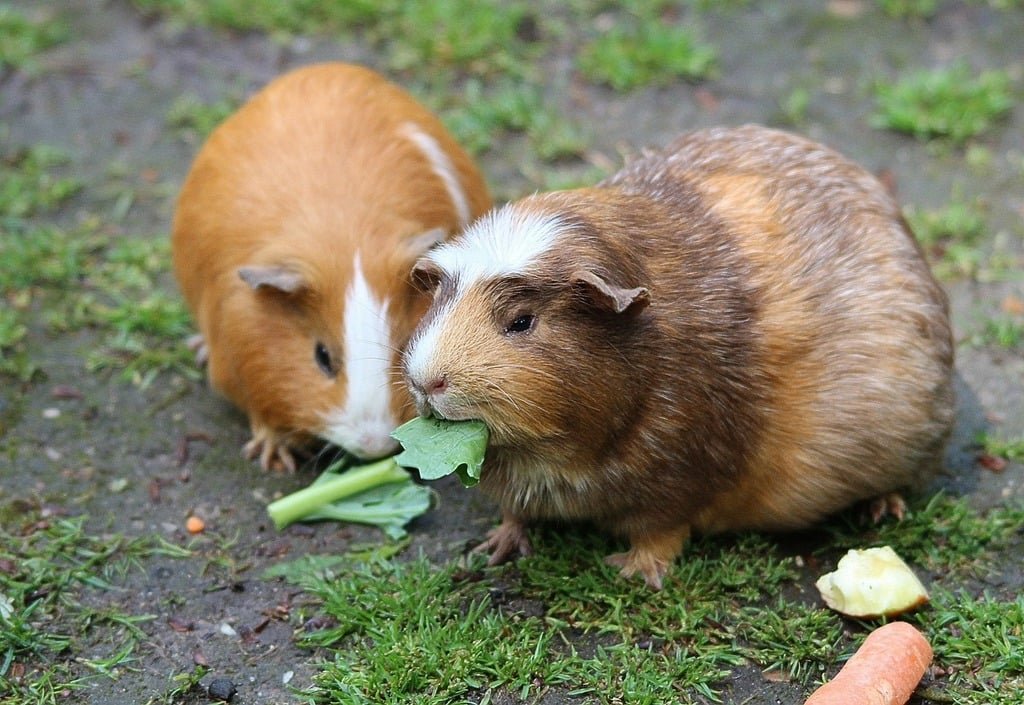
Limited fruits can be offered as occasional treats due to their higher sugar content. While guinea pigs may enjoy the sweetness of fruits, excessive consumption can lead to digestive upset, obesity, and dental problems. Suitable fruits for occasional treats include small pieces of apple (without the seeds, which contain cyanide), berries (such as strawberries and blueberries), and melon. Citrus fruits, while containing vitamin C, should be offered sparingly, if at all, as their high acidity can sometimes cause mouth sores.
Fresh, clean water must be available to guinea pigs at all times. Water is essential for hydration, digestion, and overall bodily functions. Water bottles with sipper tubes or heavy ceramic bowls are suitable options. Water should be changed daily to prevent bacterial growth and ensure freshness. Monitor water intake to detect any potential health issues, as a sudden increase or decrease in drinking can be a sign of illness.
Equally important to understanding what to feed guinea pigs is knowing foods to avoid. Certain plants are toxic and can cause severe illness or even death. These include common household plants like rhubarb leaves, avocado, ivy, and yew. It is crucial to ensure that guinea pigs do not have access to these or any other potentially poisonous plants. High-sugar and high-fat treats, such as candy, bread, and cookies, should be strictly avoided as they offer no nutritional value and can lead to digestive problems, obesity, and other health issues. Generally, human food is not suitable for guinea pigs as it is often too high in salt, sugar, or fat and may contain ingredients that are toxic to them. While small amounts of certain plain cooked vegetables might be acceptable, it is best to err on the side of caution and stick to foods specifically recommended for guinea pigs. As mentioned earlier, iceberg lettuce offers very little nutritional value and can cause digestive upset due to its high water content and low fiber. Similarly, vegetables like potato, garlic, and onion can be harmful. Coconut is high in fat and should be avoided.
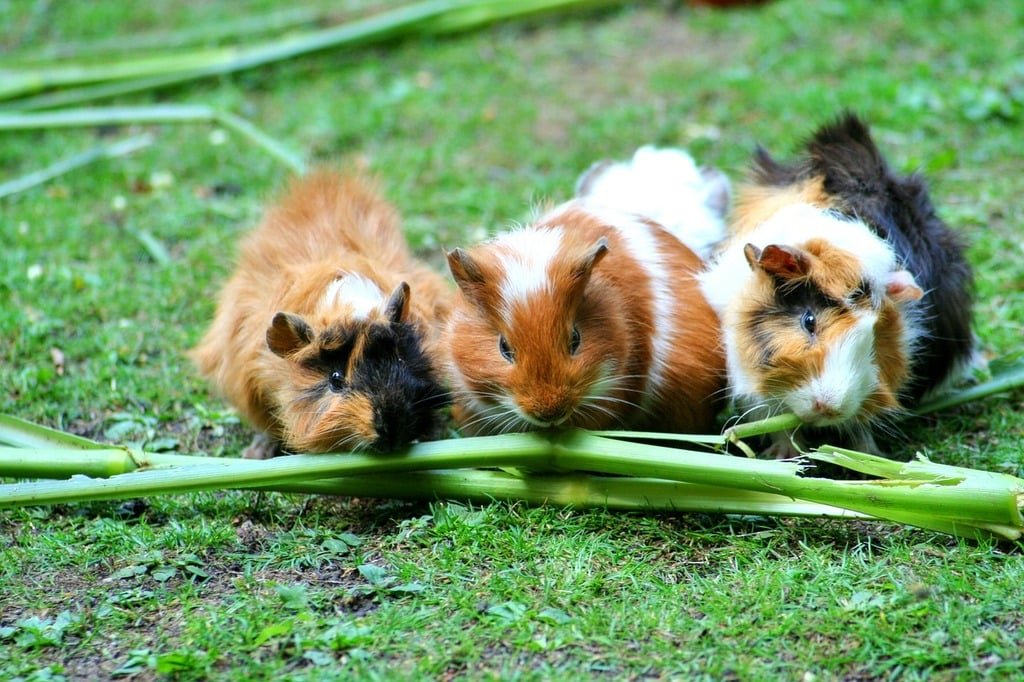
Finally, it is crucial to remember a few key principles regarding feeding guinea pigs. Avoid sudden changes in their diet, as this can disrupt their delicate digestive system. Introduce new foods gradually over several days, monitoring for any signs of digestive upset. Monitor the amount they eat and drink, as well as the appearance of their droppings. Guinea pigs produce two types of droppings: hard, dry pellets, which are waste, and softer, moist pellets called cecotrophs, which they re-ingest directly from their anus. This process, known as coprophagy, is essential for them to obtain certain B vitamins and other nutrients. Changes in the frequency or consistency of their droppings can indicate a dietary or health issue. Adjust feeding quantities to prevent both underweight and overweight conditions, taking into account their age, activity level, and overall health. Providing a balanced and appropriate diet, as outlined in this What Do Guinea Pigs Eat? A Complete Diet Guide, is a cornerstone of responsible guinea pig care, contributing significantly to their well-being and longevity.