
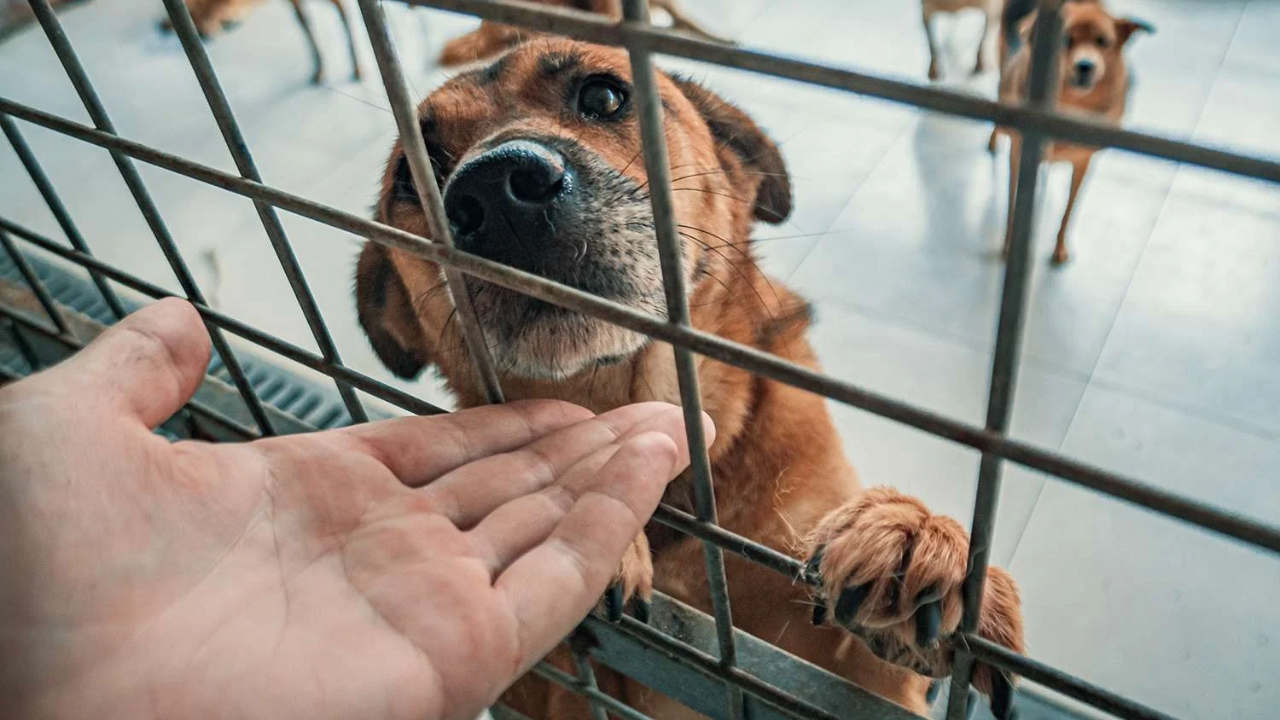
The escalating Concerns Over Stray & Shelter dog euthanasia represent a significant humanitarian and animal welfare crisis in urban centers worldwide, with cities like San Francisco continually striving to mitigate this challenging issue. The problem stems from a complex interplay of factors, including irresponsible pet ownership, overpopulation, and the inherent limitations of animal shelter resources. While San Francisco has historically been a trailblazer in “no-kill” initiatives, the ongoing influx of stray and surrendered animals, exacerbated by post-pandemic challenges, continues to test the capacity of its animal welfare system. This constant pressure leads to difficult decisions regarding euthanasia, highlighting the urgent need for comprehensive and sustainable solutions. Understanding the underlying causes and the multifaceted approaches adopted by urban centers is crucial to addressing this pressing concern effectively.

The primary drivers behind the persistent Concerns Over Stray & Shelter dog euthanasia in urban areas are multifaceted. A significant contributor is the lack of responsible pet ownership, which often results in abandonment or relinquishment of animals to shelters. Economic hardships, housing restrictions, and a lack of awareness about the long-term commitment involved in pet care frequently lead owners to surrender their dogs, adding to the already overflowing shelter populations. Furthermore, uncontrolled breeding, particularly of stray dog populations, contributes to a continuous cycle of overpopulation. Even in cities with robust animal welfare programs, the sheer volume of incoming animals can quickly overwhelm shelters, forcing them to make grim choices. San Francisco, despite its progressive stance on animal welfare, still faces these systemic challenges, with shelters reporting increased intake rates and longer stays for dogs, particularly large breeds, due to a shortage of available homes.
Animal shelters in urban centers grapple with immense operational challenges, which directly impact Concerns Over Stray & Shelter dog euthanasia. Limited funding, insufficient staffing, and inadequate physical space are pervasive issues. The cost of providing proper care—including food, veterinary services, and behavioral rehabilitation—for a large number of animals is substantial. When intake surpasses adoption rates, shelters become overcrowded, increasing the risk of disease transmission and behavioral problems among the animals. This overcrowding often leads to a compromised quality of life for the animals and places immense stress on shelter staff. While San Francisco’s Animal Care and Control and the SF SPCA work tirelessly, they, like many urban shelters, are facing a post-pandemic surge in animal surrenders, compounding the pre-existing Concerns Over Stray & Shelter dog euthanasia. The lack of sufficient veterinary staff and a backlog in spay/neuter procedures nationwide have further exacerbated the problem, preventing shelters from adequately preparing animals for adoption and contributing to longer shelter stays.
In response to the pervasive Concerns Over Stray & Shelter dog euthanasia, urban centers have implemented various strategies aimed at reducing euthanasia rates and promoting live outcomes for animals. Key among these are robust adoption programs, including off-site adoption events, foster-to-adopt initiatives, and online platforms connecting potential adopters with animals. Aggressive spay/neuter campaigns are also vital in curbing overpopulation at its source. Many cities offer subsidized or free spay/neuter services to make them accessible to all pet owners. Additionally, community outreach and education programs play a critical role in promoting responsible pet ownership, behavioral training, and microchipping to facilitate reunions with lost pets. San Francisco, for instance, has long championed “no-kill” policies, meaning that healthy and treatable animals are not euthanized for space. This policy, supported by extensive community engagement and innovative programs, has set a benchmark for other cities addressing Concerns Over Stray & Shelter dog euthanasia.
San Francisco stands as a notable example of an urban center that has made significant strides in addressing Concerns Over Stray & Shelter dog euthanasia. Through the dedicated efforts of organizations like the San Francisco SPCA and Animal Care and Control, the city has maintained a high live release rate, often exceeding 90%, which is the benchmark for “no-kill” status. This success is attributed to its proactive approach, including comprehensive spay/neuter services, strong foster networks, and collaborative efforts to transfer animals to other rescue organizations when necessary. The city also prioritizes behavioral rehabilitation for dogs with challenging temperaments, giving them a second chance at adoption. Despite these achievements, even San Francisco faces intermittent challenges, particularly recently with increased intakes and longer stays for dogs, underscoring that the fight against Concerns Over Stray & Shelter dog euthanasia is an ongoing battle requiring constant vigilance and adaptation.
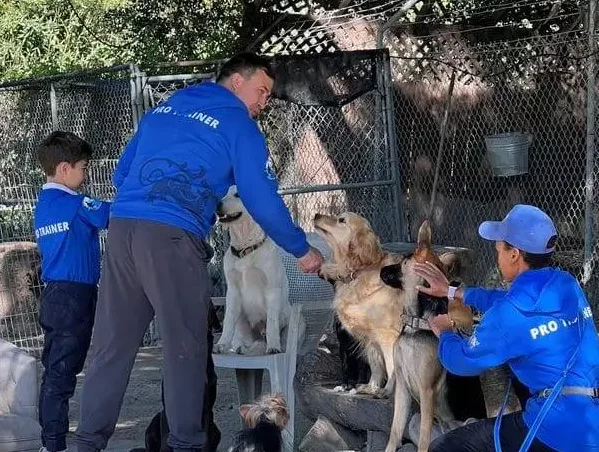
Ultimately, effectively mitigating Concerns Over Stray & Shelter dog euthanasia requires a collective and sustained effort from all stakeholders. This includes stronger government policies and funding for animal shelters, increased public awareness campaigns on responsible pet ownership, and the active involvement of community members through volunteering, fostering, and adoption. Veterinary professionals also have a crucial role to play in promoting preventative care, spay/neuter, and addressing behavioral issues early on. By fostering a culture of compassion and empathy towards animals, and by investing in programs that prevent abandonment and promote adoption, urban centers can continue to reduce the need for euthanasia and move closer to a future where every healthy, adoptable animal finds a loving home. The ongoing Concerns Over Stray & Shelter dog euthanasia serve as a stark reminder of our collective responsibility towards the welfare of these vulnerable animals.