

A Guide to Effective Prevention in Kolkata
As the warmth of spring transitions into the heat of summer in Kolkata, pet owners often notice a significant increase in the prevalence of fleas and ticks. This seasonal surge in infestations is a direct consequence of the favorable environmental conditions that these parasites thrive in, coupled with the increased activity of both the pests themselves and their potential hosts, including our beloved animal companions. The heightened awareness and concern during these months are reflected in the increased interest in and searches for effective flea and tick prevention solutions. Understanding the underlying factors that contribute to this seasonal spike is crucial for implementing timely and appropriate preventative measures.
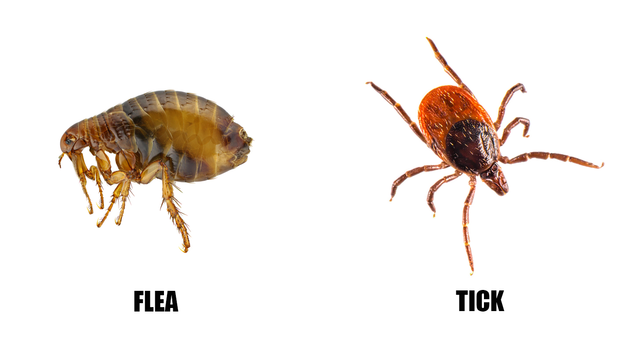
The Influence of Warmer Temperatures on Flea and Tick Populations:
The warmer temperatures characteristic of spring and summer in Kolkata create an ideal environment for tick and flea populations to flourish. This warmth directly impacts their biological processes, leading to increased survival rates, heightened activity levels, and an expansion of their potential habitats. The extended periods of warm weather also translate to a longer duration of potential exposure for both humans and their pets. Furthermore, the broader phenomenon of climate change is playing an increasingly significant role in these trends. The shortening of winters and the earlier onset of spring are extending the period during which ticks remain active, thereby increasing the risk of infestation over a longer timeframe.
At a fundamental level, warmer temperatures directly influence the tick and flea life cycles. These conditions accelerate their reproductive rates, allowing populations to grow more rapidly. The increased warmth also enhances their survival capabilities, enabling them to live longer and thus have more opportunities to find hosts. Moreover, higher temperatures boost their overall activity levels, making them more mobile and increasing their chances of encountering and attaching to pets or humans.
The impact of climate change further exacerbates this situation. The trend towards milder winters and earlier springs in regions like Kolkata means that the traditional dormant periods for these parasites are becoming shorter or less effective. This extended active season provides a longer window for ticks and fleas to reproduce, feed, and potentially transmit diseases. Additionally, climate change is contributing to the expansion of the geographical range of some tick and flea species. As temperatures rise and environmental conditions shift, these parasites are colonizing new areas that were previously unsuitable for their survival, thereby increasing the risk of exposure for pet populations in these newly affected regions. Consequently, the growth in tick and flea populations and their expanding ranges lead to a higher overall risk of encountering these parasites and subsequently contracting the various tick-borne or flea-borne diseases they can carry.
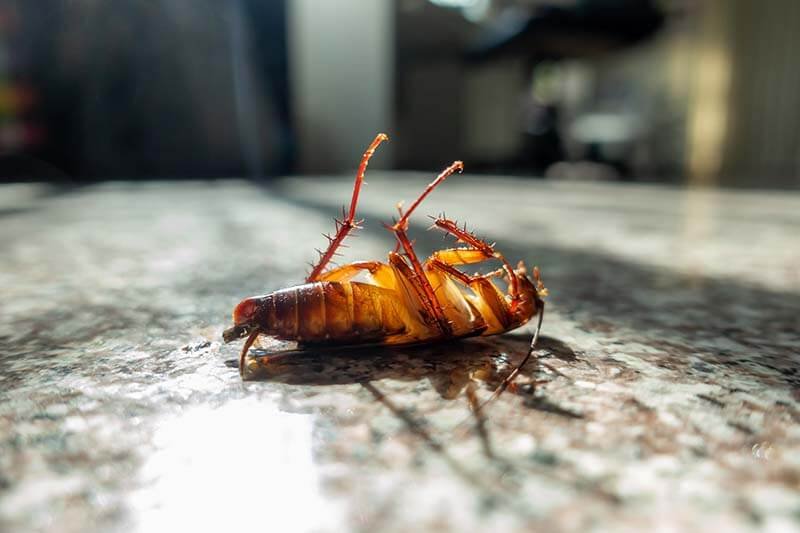
The Role of Increased Activity in Flea and Tick Exposure:
Beyond the direct influence of warmer temperatures on parasite biology, the increased outdoor activity of pets, wildlife, and humans during spring and summer in Kolkata significantly elevates the risk of contact with ticks and fleas. The pleasant weather encourages both pets and their owners to spend more time outdoors, engaging in activities such as walks in parks, playing in gardens, and exploring natural environments. These outdoor excursions increase the likelihood of encountering areas where ticks and fleas are present. The warmer temperatures also extend the active seasons of these parasites, making them more actively seeking hosts during these times, thus increasing the probability of them attaching to passing animals or humans.
Increased temperatures directly influence the development, distribution, and activity of these disease vectors. Warmer conditions can lead to earlier and longer active seasons for ticks and fleas, meaning they are more likely to be present and actively searching for hosts even during what were traditionally considered cooler months. As temperatures rise in Kolkata, both humans and their animal companions tend to spend more time enjoying outdoor spaces. Activities like gardening, hiking in nearby areas, or simply relaxing in outdoor spaces become more frequent, inevitably increasing the chances of encountering ticks and fleas that may be present in these environments.
The broader implications of climate change on disease vectors further compound this issue. The warming climate and the shifting distribution of disease vectors predicted by climate change models suggest that ticks and fleas, which were once confined to specific geographical areas, may expand their range into new territories. This could expose pet populations in Kolkata and surrounding areas to parasite species and associated diseases that were previously uncommon in the region.
The Specific Concern of Nymph Ticks During Spring and Summer:
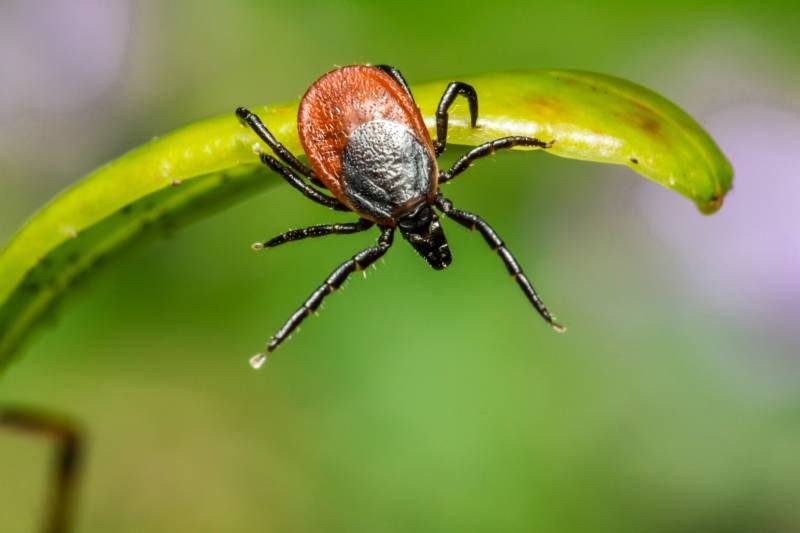
Warmer temperatures have a particularly pronounced effect on the activity of nymph ticks. Nymphs are the young, immature stage of the tick life cycle, and they are a major source of disease transmission to both pets and humans. These young ticks are most active during the spring and summer months in Kolkata, coinciding with the peak period for outdoor activities. This unfortunate overlap increases the likelihood of encounters and subsequent disease transmission. Warmer temperatures can accelerate the development of ticks through their various life stages, leading to a greater number of nymphs being active during the warmer months.
Nymph ticks are a primary concern due to a combination of factors. Firstly, they are typically much smaller than adult ticks, making them more difficult to detect on a pet’s coat or on human skin. This can lead to them remaining attached for longer periods, increasing the risk of disease transmission. Secondly, nymph ticks often have a high rate of infection with various disease-causing pathogens. Because they have already had one blood meal in their larval stage, they may have acquired pathogens from an infected host and can then transmit these pathogens during their nymphal feeding. The combination of their small size, high activity during peak outdoor seasons, and potentially high infection rates makes nymph ticks a significant source of tick-borne disease transmission in Kolkata during spring and summer. The higher temperatures and longer warmer periods associated with climate change can further exacerbate this risk by increasing the overall nymph population and extending their active feeding period.
Common and Effective Flea and Tick Prevention Products:
To effectively protect pets in Kolkata from the seasonal onslaught of fleas and ticks, a variety of flea and tick prevention products are readily available. These products utilize different modes of action and come in various forms to suit individual pet needs and owner preferences.
Some of the commonly recommended and effective flea and tick prevention products include:
- Bravecto:
This product is available as a chewable tablet for dogs and a topical solution for both dogs and cats. It offers long-lasting protection, typically up to 12 weeks, against fleas and ticks.
- Comfortis:
This is an oral chewable tablet for dogs and cats that primarily targets fleas, providing fast-acting and effective flea control.
- Credelio:
Another chewable tablet for dogs and cats, Credelio offers monthly protection against both fleas and ticks.
- Frontline:
This well-known topical solution is applied to the back of the neck and provides monthly protection against fleas and ticks in both dogs and cats.
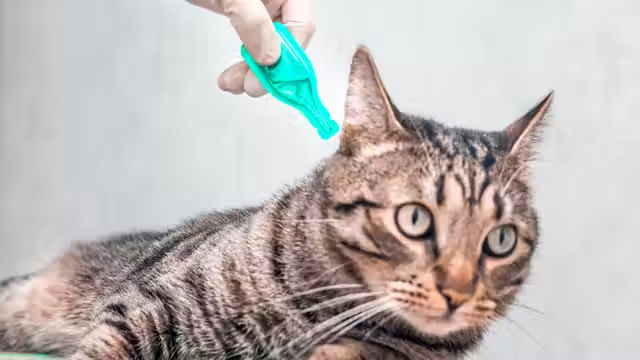
- K9 Advantix: This topical solution for dogs repels and kills fleas, ticks, and mosquitoes. It is important to note that this product is specifically for dogs and should never be used on cats.
- Nexgard: A monthly chewable tablet for dogs that provides effective protection against fleas and various species of ticks.
- Seresto:
This collar offers long-lasting protection against fleas and ticks for up to eight months in both dogs and cats.
Choosing the most appropriate flea and tick prevention product for your pet in Kolkata depends on several factors, including your pet’s species, breed, weight, lifestyle, and any existing health conditions. Consulting with a local veterinarian is highly recommended to determine the best preventative strategy tailored to your pet’s individual needs and the specific flea and tick risks prevalent in the Kolkata area. Consistent and year-round use of a veterinarian-recommended flea and tick prevention product is the most effective way to safeguard your furry companion from the discomfort, irritation, and potentially serious diseases transmitted by these troublesome parasites, ensuring they can enjoy the vibrant seasons of Kolkata in good health.