- Common symptoms of illness in horses and when to seek veterinary care
Observing your horse for subtle shifts in their normal demeanor and physical presentation is paramount to their well-being. Recognizing the “Signs Your Horse Is Sick And Needs A Vet” can be the difference between a swift recovery and a prolonged illness, or even worse outcomes. Horses are remarkably stoic creatures, often masking discomfort until a condition is quite advanced, which makes vigilant observation by their caretakers absolutely critical. This comprehensive guide will delve into the myriad of indicators that suggest your equine companion may be unwell, outlining both the common symptoms and the crucial moments when professional veterinary intervention becomes indispensable.
At the core of identifying illness in horses are alterations in their fundamental patterns of life. One of the most telling “Signs Your Horse Is Sick And Needs A Vet” is a change in appetite. A healthy horse typically approaches its feed with enthusiasm, consuming its allotted portions consistently. Any deviation from this norm – a complete loss of appetite, eating significantly less than usual, or even consuming an abnormal amount of feed – should raise immediate concern. A horse refusing its favorite treats, or meticulously sifting through hay to avoid certain types, might be experiencing dental pain, digestive upset, or a more systemic illness. Conversely, an insatiable appetite coupled with other symptoms could point to metabolic issues. Monitoring a horse’s eating habits daily provides a baseline against which any changes can be quickly detected.
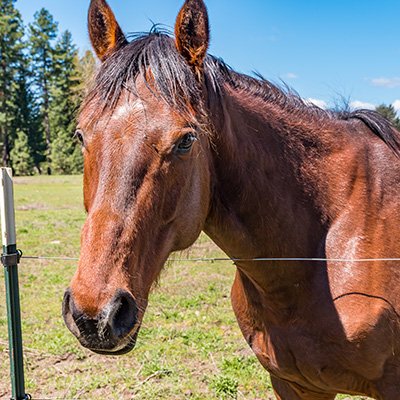
Beyond appetite, changes in behavior are often among the earliest “Signs Your Horse Is Sick And Needs A Vet.” A normally energetic and curious horse becoming lethargic, withdrawn, or unwilling to engage in usual activities is a significant red flag. Conversely, excessive restlessness, pacing, or an inability to settle could indicate pain, anxiety, or even the onset of colic. Unusual nervousness, jumpiness, or uncharacteristic aggression towards handlers or other horses are also worrying signs. A horse that typically enjoys grooming but suddenly becomes sensitive to touch in certain areas, or one that isolates itself from the herd, is likely trying to communicate discomfort. Paying close attention to a horse’s daily interactions and routines can help identify these subtle but important shifts.
Changes in body temperature are another critical indicator and a clear “Sign Your Horse Is Sick And Needs A Vet.” A healthy horse’s normal rectal temperature typically ranges from 99.5°F to 101.5°F (37.5°C to 38.6°C). A fever, defined as a temperature above this range, often signals an infection, inflammation, or an immune response. It’s vital to know your horse’s individual normal temperature, as there can be slight variations. A persistent fever, even if mild, warrants veterinary attention. Equally concerning, though less common, is a significant drop in body temperature, which can be a sign of shock, severe dehydration, or a critical systemic issue, demanding immediate emergency care. Regular temperature checks, especially when a horse seems “off,” can provide invaluable diagnostic information.
Visible discharges from the body are often direct “Signs Your Horse Is Sick And Needs A Vet.” Nasal discharge, in particular, should always be scrutinized. While a clear, watery discharge can sometimes be normal, especially after exercise or in cold weather, any discharge that is thick, cloudy, yellow, green, or contains blood is highly abnormal and indicates an upper respiratory infection, sinus issues, or even a more severe problem. The presence of a foul odor accompanying nasal discharge is also a serious concern. Similarly, coughing, especially if it is persistent, deep, or accompanied by nasal discharge, suggests respiratory tract irritation or infection, from allergies to more serious conditions like influenza or strangles. A horse with a dry, hacking cough might be suffering from equine asthma, while a wet, productive cough could indicate a bacterial infection.
Diarrhea, characterized by loose or watery feces, is a significant “Sign Your Horse Is Sick And Needs A Vet.” While a single episode might be due to a dietary change or stress, persistent or severe diarrhea can lead to rapid dehydration, electrolyte imbalances, and the loss of essential gut bacteria. It can be indicative of various conditions, including bacterial or viral infections, parasitic overload, dietary indiscretion, or even a systemic illness affecting the digestive tract. Foals are particularly susceptible to the severe effects of diarrhea. Any case of diarrhea that lasts for more than a few hours, is profuse, or is accompanied by other signs of illness requires prompt veterinary assessment.
Lameness, or difficulty putting weight on a leg or an abnormal gait, is an undeniable “Sign Your Horse Is Sick And Needs A Vet.” Lameness can range from a subtle unevenness in stride to a complete inability to bear weight on a limb. Causes are diverse, including hoof abscesses, stone bruises, strained tendons or ligaments, fractures, arthritis, or neurological conditions. Even mild lameness that persists for more than a few hours should be evaluated, as it can worsen rapidly or indicate an underlying structural issue. Observing your horse walking, trotting, and turning in a controlled environment can help you pinpoint the affected limb and the severity of the lameness.
Beyond these major indicators, other vital “Signs Your Horse Is Sick And Needs A Vet” include changes in water intake. A healthy horse drinks consistently throughout the day. Drinking significantly more water than usual (polydipsia) can be a sign of kidney issues, Cushing’s disease, or diabetes. Conversely, a decrease in water intake or complete refusal to drink can quickly lead to dehydration, especially concerning if accompanied by a lack of appetite or diarrhea. Ensuring access to fresh, clean water at all times is crucial, and monitoring water consumption can provide early clues to health problems.
Changes in bowel movements beyond diarrhea are also important. Difficulty defecating (straining to pass manure) or a significant decrease in the frequency of bowel movements can indicate impaction colic, a serious and painful condition requiring immediate veterinary attention. Conversely, overly soft or abnormally hard and dry manure can also signal digestive disturbances. The color, consistency, and odor of manure can offer valuable insights into your horse’s digestive health.
Swollen joints are another unmistakable “Sign Your Horse Is Sick And Needs A Vet.” Any noticeable swelling, heat, or pain in a joint can indicate inflammation, infection (septic arthritis), or the onset of degenerative joint disease (arthritis). A horse with a swollen joint may also exhibit lameness. Prompt veterinary examination is crucial, especially for suspected joint infections, which are medical emergencies.
The condition of your horse’s skin and hair coat can also reflect their overall health. A dull, dry, or brittle coat, patchy hair loss, or excessively itchy areas can be “Signs Your Horse Is Sick And Needs A Vet” due to nutritional deficiencies, parasitic infestations (such as mites or lice), fungal infections (like ringworm), or underlying systemic diseases affecting skin health. Chronic skin conditions can also indicate allergies or immune system imbalances.
A foul oral odor is often an overlooked but important “Sign Your Horse Is Sick And Needs A Vet.” While horses naturally have some odor from their mouths, a strong, offensive smell can indicate severe dental problems such as infected teeth, periodontal disease, or even oral tumors. Other potential causes include infections in the sinuses that drain into the mouth. Dental issues can profoundly impact a horse’s ability to eat and digest food, leading to weight loss and other health complications.
Finally, a host of other signs can collectively point to the need for veterinary attention. Difficulty breathing, characterized by flaring nostrils, increased respiratory rate, abdominal effort during breathing, or a heaving flank, is a serious emergency. Changes in heart rate (either unusually fast or slow), pale or jaundiced mucous membranes (gums, inside of eyelids), and a lack of coordination or neurological deficits are all severe “Signs Your Horse Is Sick And Needs A Vet” that demand immediate professional assessment.
Knowing when to seek veterinary care is as important as recognizing the signs themselves.
Severe Symptoms:
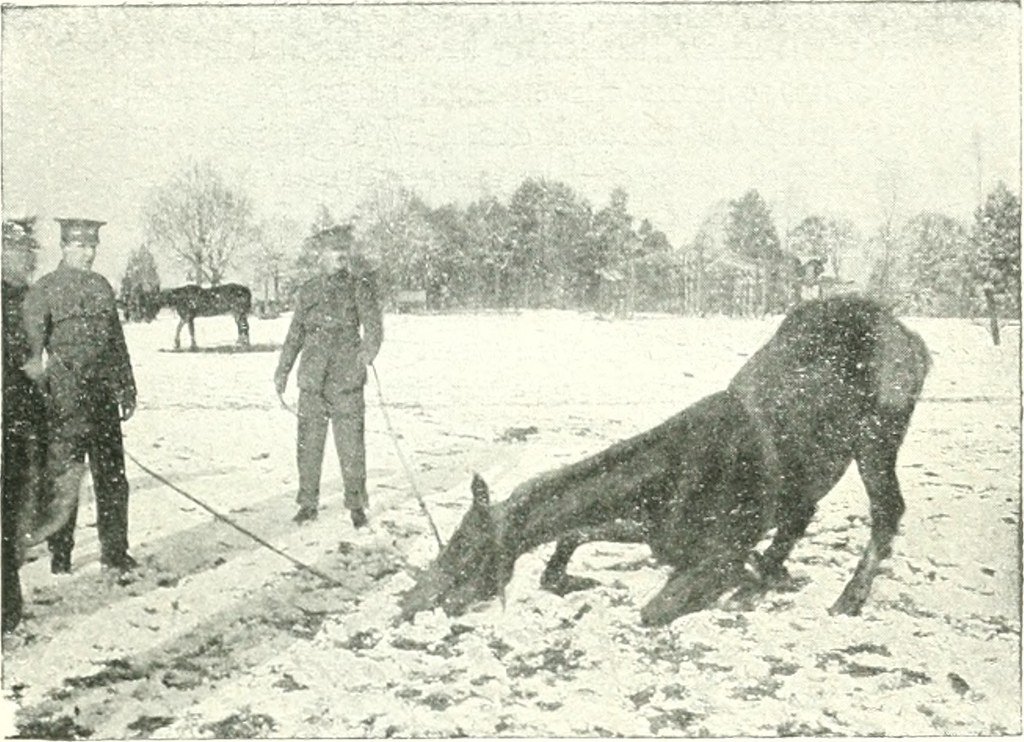
If your horse exhibits any signs of severe illness, do not delay. This includes, but is not limited to, an inability to stand or rise, profuse bleeding, difficulty breathing, signs of severe colic (such as violent rolling, persistent pawing, looking at the belly, or thrashing), or any indication of extreme pain. These are emergencies that require immediate veterinary intervention.
Persistent Symptoms:
Even if symptoms appear mild, if any of the aforementioned signs persist for more than a day or two, it’s time to call your veterinarian. A slight lameness that doesn’t resolve with rest, a mild cough that lingers, or a reduced appetite for several meals can indicate an underlying issue that needs professional diagnosis and treatment before it escalates.
Sudden Changes:
Any sudden and inexplicable change in your horse’s behavior or physical condition warrants immediate concern. A sudden onset of severe lameness, acute weakness, an unexpected swelling, or a drastic change in demeanor could be indicative of a rapidly progressing illness or injury. Your quick action can significantly impact the outcome.
Emergency Situations:
Beyond internal illness, obvious external injuries constitute emergency situations. Deep lacerations, fractures, severe eye injuries, or substantial bleeding all necessitate urgent veterinary care to minimize pain, prevent infection, and optimize the chances of a full recovery.
Concerns about Health:
Perhaps the most crucial guideline is to trust your instincts. If you are simply concerned about your horse’s health, even if the symptoms are vague or you can’t quite pinpoint what’s wrong, it is always best to err on the side of caution and contact your veterinarian. You know your horse best, and your intuition is a powerful tool in recognizing when something is amiss. A phone call can often provide reassurance, or prompt a visit that prevents a minor issue from becoming a major crisis.
In conclusion, becoming adept at recognizing the “Signs Your Horse Is Sick And Needs A Vet” is a fundamental responsibility of every horse owner and caretaker. Regular daily observation, understanding your horse’s normal patterns, and knowing when to escalate concerns to a professional are key components of proactive equine health management. By being vigilant and responsive to these critical indicators, you can play a pivotal role in ensuring the well-being and longevity of your cherished equine companion, providing them with the timely and appropriate veterinary care they deserve.