
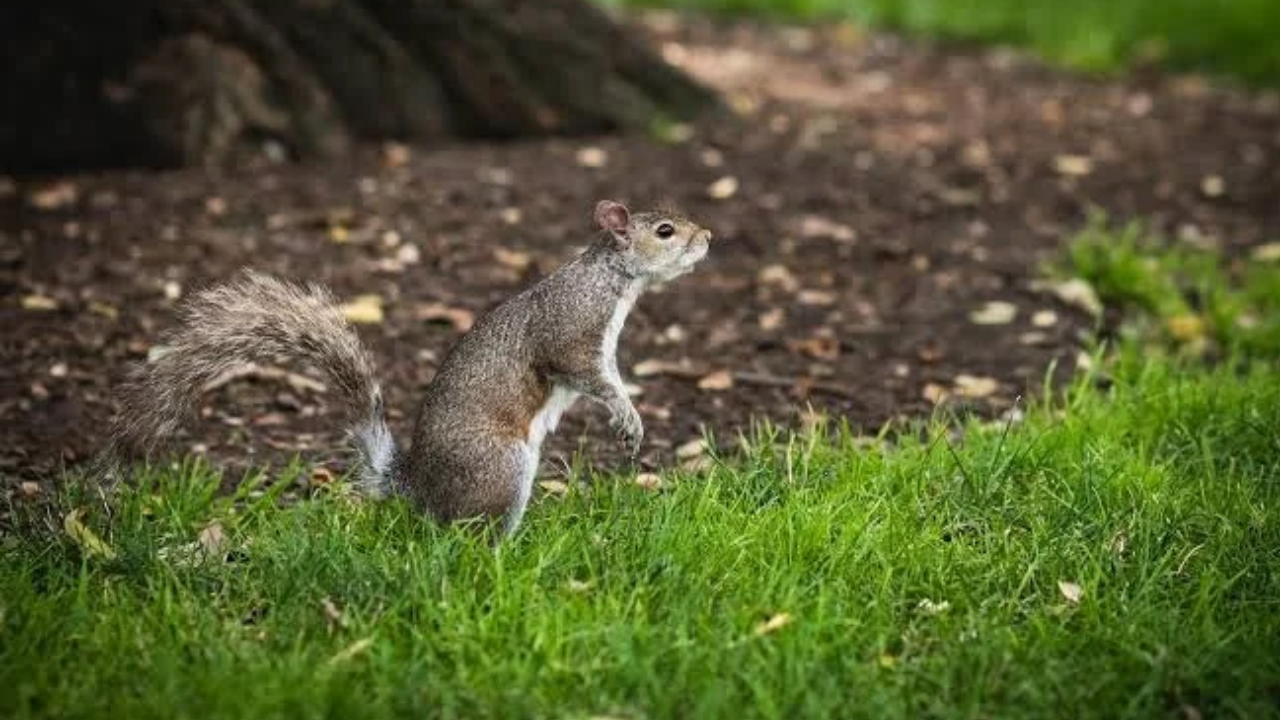
Squirrels are animals whose existence can be seen everywhere in villages and cities. Although they usually love to live in forests, they have easily adapted to the urban environment. They are much more adept than other animals at surviving in the hustle and bustle of the city and the noise of vehicles. They are very active in living in a garden, on the roadside, or on the roof of a house. They have strangely adapted to the urban environment where they are supposed to live in the forest. A strange change has come in their life. While living in the city, they have adapted themselves to urban life. They collect food from the food and garbage thrown away by humans. By eating these, they store energy in their body, which is a strange adaptation process for them. Therefore, it is very important for people to know about squirrel adaptation to urban environments.
Presence of squirrels in urban environments:
Squirrels are mainly animals of forests full of plants. But in the city, we can also see squirrels on the streets, gardens, and roofs. In the era of advanced technology, cities are becoming more and more attractive every day. As a result, there is an excess of vehicles and noise. Despite this, squirrels have strangely adapted to this. Although natural forest areas have decreased due to urbanization, squirrels have learnt to adapt to the urban climate. Their running, food worship, and climbing trees show nature that they are one of the most adaptable animals.
Change in diet:
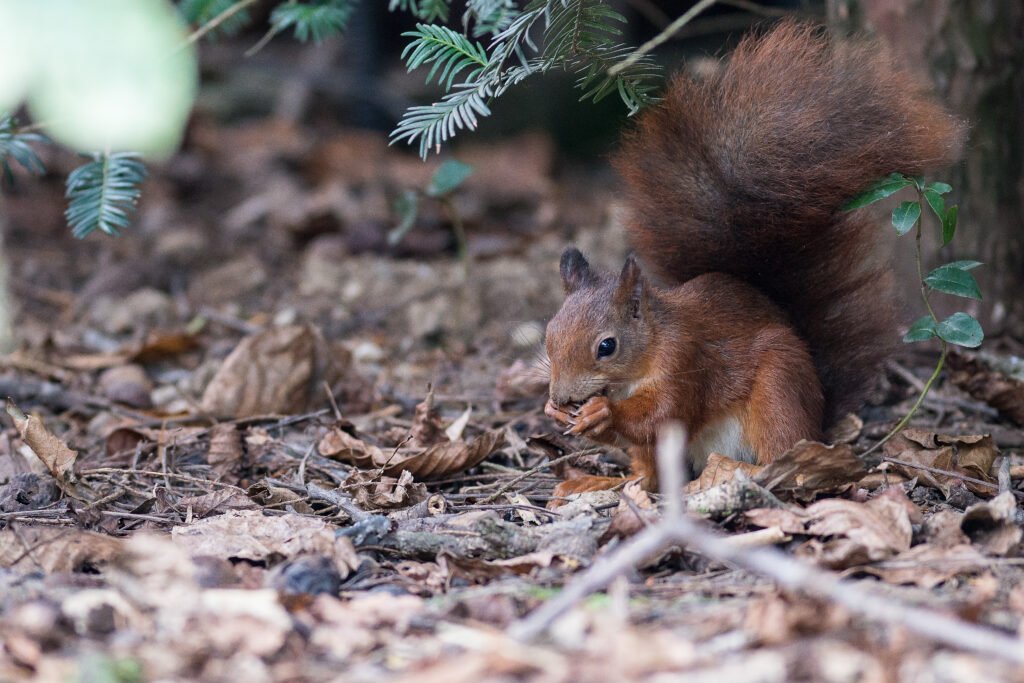
As squirrel adopted to urban environments, they have changed their diet too. In the forest, squirrels usually eat various types of grains or fruits. While here, they eat nuts, fruits, and small insects. But they do not have much difficulty adapting when they come to the city. Because they are naturally very strong adaptive animals. Therefore, they can live a normal life even after coming to the city and eating leftover food thrown away by humans. Here, they eat packaged food, biscuits, etc. left by humans. This adaptation plays an important role in their survival.
Shelter and Nest Building:
While in the forest, squirrel usually lives in trees, but they have adapted very well to urban life. Since the number of houses in the city is more than in the forest, they nest on the roofs of large houses or in the branches of some trees. They can even nest on electric poles or in the corners of the balconies of houses. They build nests with dry branches and leaves like birds. This nest makes them much safer and more confident. Even though their living space is small, they are able to live there safely. So since squirrel adaptation to urban environments they do not have any problem to live.
Adapting to noise and noise:
The noise of the city, horns, people and machinery could be a source of fear for squirrels. But with time, they have accepted all these sounds as part of their normal life. As a result, this mechanical noise does not bother them at all. Urban squirrels have become more popular with people. Many people keep them at home. Having come out of the forest and adapted to urban life, squirrels have become recognized as very social animals. As a result, they never run away when they see people, but rather collect food from them. So squirrel adaptation to urban environments makes them more familiar. Their loyalty in front of unknown people proves how much they can adapt to nature and be social.
Adaptation to movement:
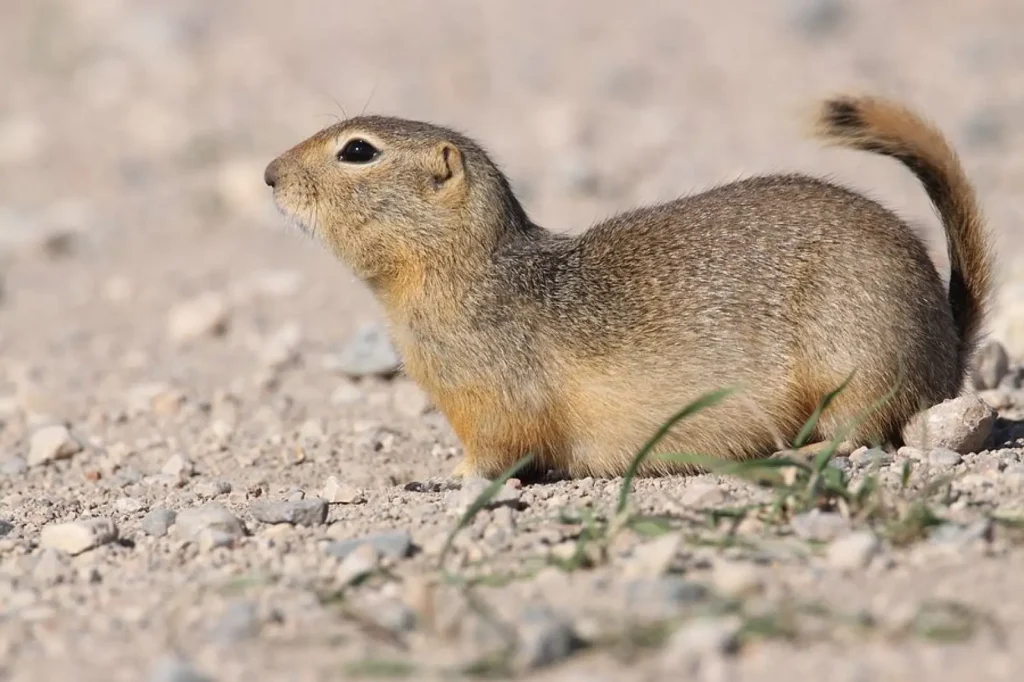
Here is another squirrel adaptation to urban environments which will surprise you. As the number of trees in the city decreases, squirrels run along electric wires, roofs of houses, and windows. Due to this excellent ability to adapt, they do not have much problem in moving. Usually, when they are awake, they are carried from one branch to another, but when they are in the city, they have no problem running along the window ledge or the cornice of the roof. This shows how much squirrels can use the change in environment to their advantage.
Social behavior:
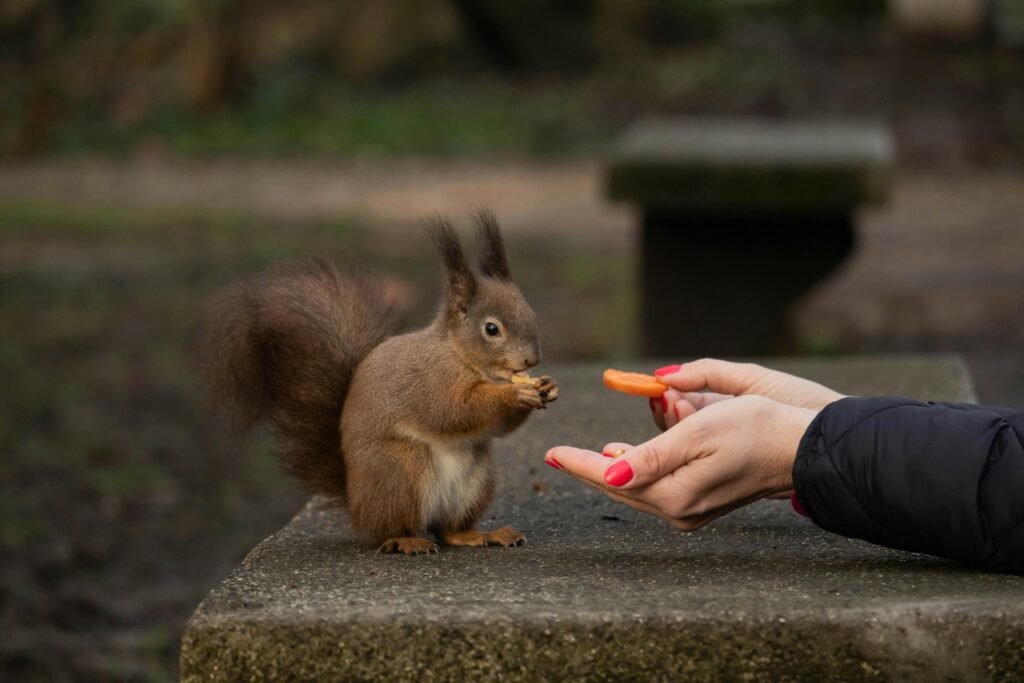
City squirrels can establish contact with a lot more people. Squirrels that live in the forest are much less social. They lead their lives on their own. On the other hand, urban squirrels mix with a lot more people and show their loyalty. If a person is sitting in a park or garden, they eat food from their hand. Therefore, we can understand that the squirrel adaptation to urban environments make them more social. That’s why they do not avoid when they meet new people. However, they are always alert. They are able to quickly escape if they sense any danger.
Conservation and future:
Although squirrels have adapted easily to the city, excess pollution, traffic pressure and loss of vegetation can create problems in their long-term life. Therefore, if the forest is destroyed in this way in urban planning, the question of the existence of squirrels will arise. These animals have left the forest and adapted to life in the city. Therefore, saying goodbye to this city life will destroy the existence of these animals.
Conclusion:
Squirrels adaptation to urban environments has proven how necessary ability is needed to every animal. Other animals should learn from squirrels by changing their behavior and using food and shelter conveniently when they come from the forest to the city. The healthier they can survive in this city life, the more they will increase their reproductive capacity and sustain their existence on earth. In the future, if we do not destroy more forests and forests due to urbanization initiatives and take care of squirrels, they will be able to enrich their lives much more safely.