
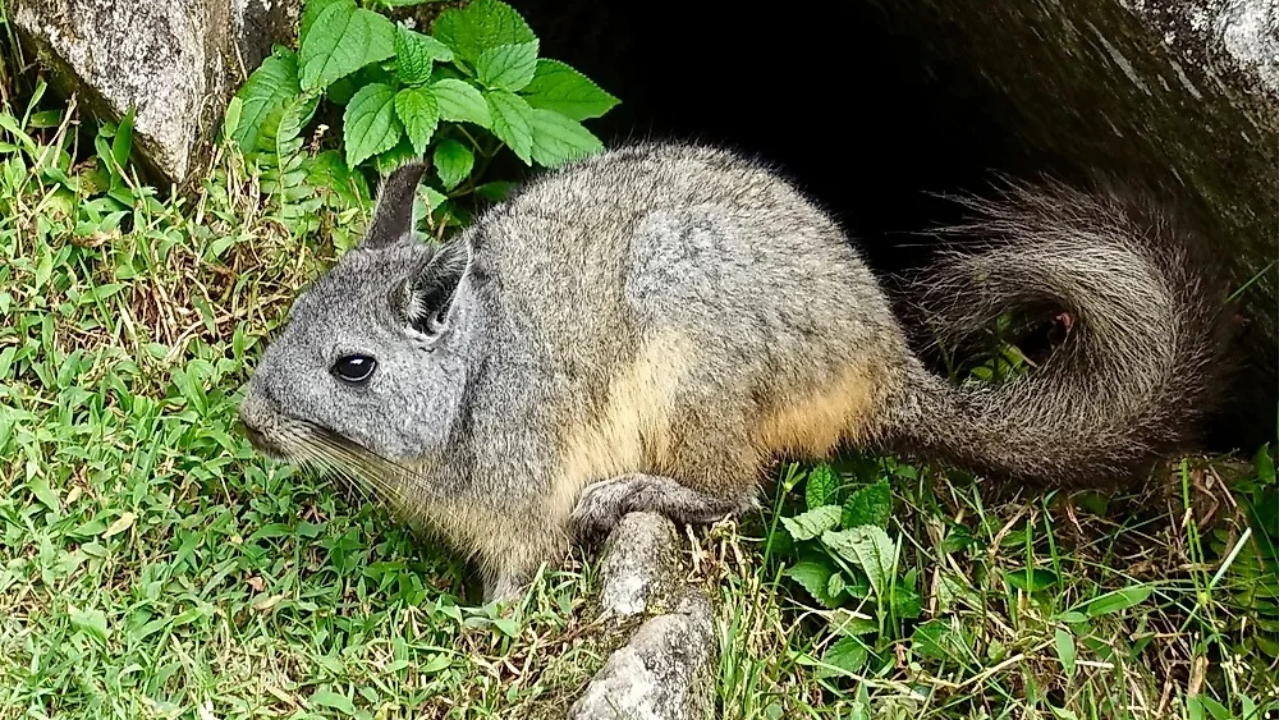
The chinchilla is a popular small furry nocturnal animal. This animal is small in size. Although chinchillas can be found all over the world, the largest number is found in the Andes Mountains of South America. This is believed to be their main habitat. They usually live in mountainous areas at an altitude of 3000 to 6000 meters. Although these animals do not have the ability to adapt everywhere, their preferred environment is dry and cold. They live in mountainous areas by digging holes in rocks or taking shelter in caves. They do not like to live in the plains because there is a high probability of predator attacks. Their fur is thick and soft, so they can easily survive in cold weather. Wild chinchillas usually live in groups, which is helpful for their safety and social life. Therefore, their natural habitat is not just a place to survive, but an environment essential for life.
Chinchilla’s natural environment:
Wild chinchillas mainly live in rocky and dry areas of the Andes Mountains. In these areas, it gets very cold at night. But during the day, these areas are very hot. Since they have thick fur, they can withstand temperature changes. Due to this fur, they can maintain temperature balance in their bodies. Since the amount of vegetation in these areas is low due to the dry climate, they survive by eating various herbaceous plants and shrubs.

Habitat structure:
Now we will discuss the habitat of wild chinchillas. Wild chinchillas live in mountain crevices or caves. Because they are protected from predators from these places. Usually, chinchillas are attacked by wild cats, hawks and owls. The safest place for chinchillas to be protected from them is to stay in tunnels. They sleep safely and store food.
Social life:
Wild chinchillas are animals that do not like to be alone. They always live in groups in mountainous areas. They live in small groups. Each group has an average of fifty to 60 members. They are very united. If there is any danger, they protect each other in groups. They can even warn each other when there is danger. Since they live in groups, it helps them a lot in gathering food and staying safe from danger.
Diet:
Wild chinchillas are usually herbivores. Wild chinchillas survive by eating grass, leaves, cactus species, herbs, etc. They can drink excess water, due to which they can live without water for a long time due to lack of water. Naturally, they gather food during the day or in the evening. Because this time the temperature is relatively comfortable for them.
Adaptability:
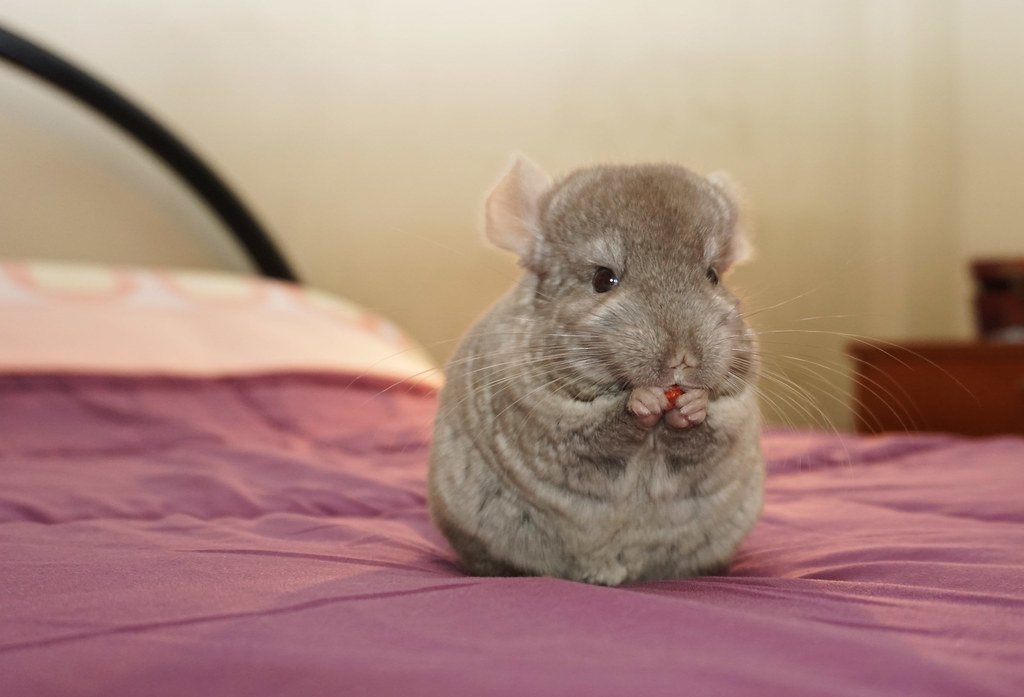
Wild chinchillas are specially adapted to adapt to dry and cold environments. Their fur is so thick that they are able to adapt to any environmental temperature. Each of their 60-80 fine hairs grows from them, which protects them from the cold. Wild chinchillas are very active and agile animals. Their jumping ability is very strong, which helps them a lot in living in rocky areas. Although these wild chinchillas live in rocky areas, many of them also prefer to live in forests.
Reproduction and distribution:
Wild chinchillas can reproduce several times a year. They usually take about 111 days to conceive. A female chinchilla gives birth to an average of two to five babies. The babies are born with their eyes open at birth. The cubs born in winter survive healthily because of the mother’s abundant hair. Because of this thick hair, wild chinchillas can live healthily with their cubs in mountainous environments.
Threats and crises:
Since the natural habitat of wild chinchillas is in mountains and forests, it should be remembered that their reproductive capacity will increase only if they are released into a healthy environment. However, in the era of technology and development, mountains and forests are being destroyed excessively for the expansion of human settlements and for the extraction of mineral resources. As a result, the habitats of chinchillas are decreasing. Since they have survived on this earth for many years, we should allow them to live healthily in the wild. Otherwise, the existence of this sweet little furry creature will be in danger.
Conclusion:
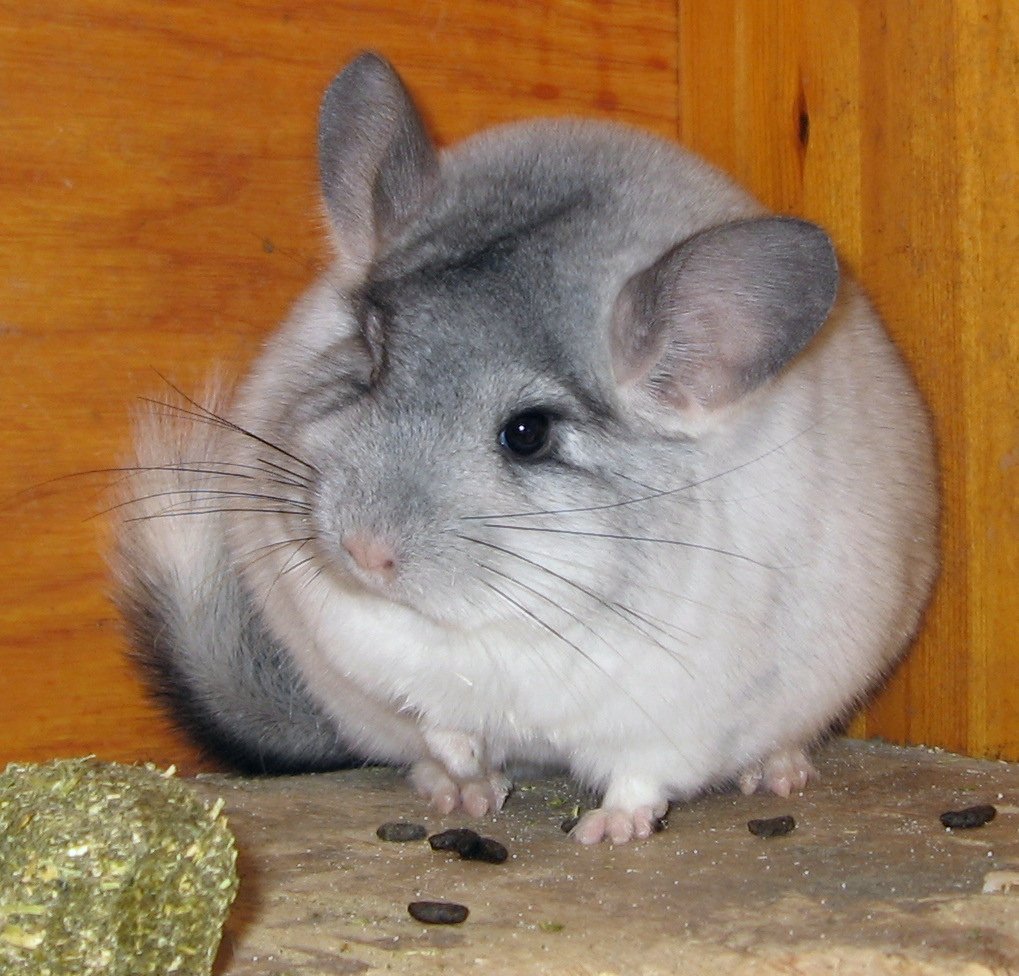
The three-toed sloth is a rare and valuable animal whose habitat is in the Andes Mountains. Wild chinchillas have adapted to nature so much that keeping them at home and keeping them confined would be harmful to them. Therefore, we care about them living in a healthy environment as long as they can. Humans destroy their shelter for additional habitat expansion and mineral extraction. It is our responsibility to keep this beautiful animal alive in nature for a long time through breeding.