

Among the various animals in nature, mice are a very well-known and important animal for research. Despite their small size, they have amazing intelligence and adaptability. Exploratory behavior of mouse is their part of character. They are always curious to explore something or the other. They are eager to find any smell or something in a dark corner or in a new place in the house. They come out of their holes out of curiosity and try to understand the meaning of new things by sniffing around. This exploratory behavior of mouse makes them more unique. This curious nature of theirs is not only for collecting food or avoiding danger, but is also associated with mental development and social behavior. Many scientists have found that this exploratory behavior of mice is a very important habit for them, which provides them with data to compare with fear and memory. Therefore, the exploratory behavior of mice reveals a strange and unique aspect of nature.
General introduction to mice:
Mice are mammals belonging to the order Rodentia. Mice are usually small in size. Among the physical characteristics, they all have a large, slender tail. They can reproduce quickly and have the strange ability to adapt to any environment. They are members of the omnivorous class. However, they prefer to eat human food such as vegetables and grains.
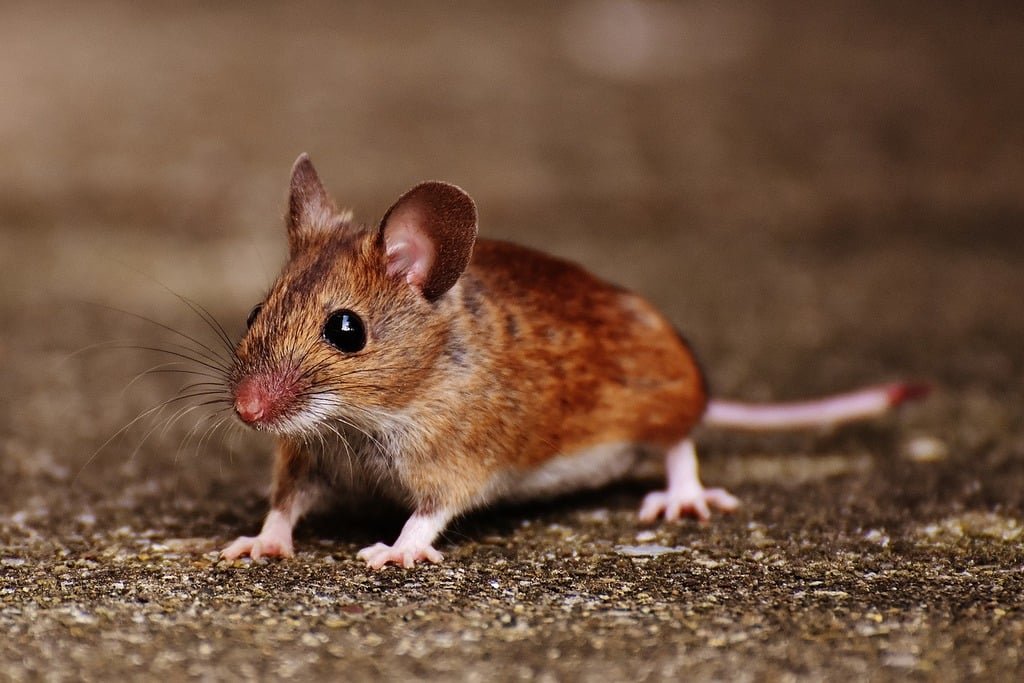
Main characteristics of investigative behavior:
Some of the special aspects of the exploratory behavior of mouse are sniffing, walking, standing tall, using whiskers and touching. They usually explore new places or any unfamiliar objects with their noses. As a result, they try to learn about that unfamiliar object. Sometimes they sniff an object with their whiskers to identify the smell, which helps them collect information. Sometimes they try to stand upright on their front legs just out of curiosity. Rats sometimes test an object with their feet to see if it is safe for them. Sometimes they leave their own path and walk to explore new unknown paths. They do this to get acquainted with unfamiliar nature.
Mouse Behavior in New Environment:
When a rat is placed in an unfamiliar environment, they look around to get to know the environment. Many times, if an owner puts a rat in a new cage, it still behaves in this curious manner. At first, they are a little scared, so they feel a little hesitant in moving. But when their fear is gone, they become curious again and try to walk around and smell the place. When they feel completely safe in that place, their hesitation will be completely gone. So it is considered that exploratory behavior of mouse makes them to helps to adapt to the environment.
Relationship with Food Gathering:
The investigative nature is essential for rats to gather food. When they smell food, they start actively searching. Even in the case of unknown food, they first taste it and then decide whether it is safe to eat. So it is clear that the exploratory behavior of mouse helps them to gather food as well.
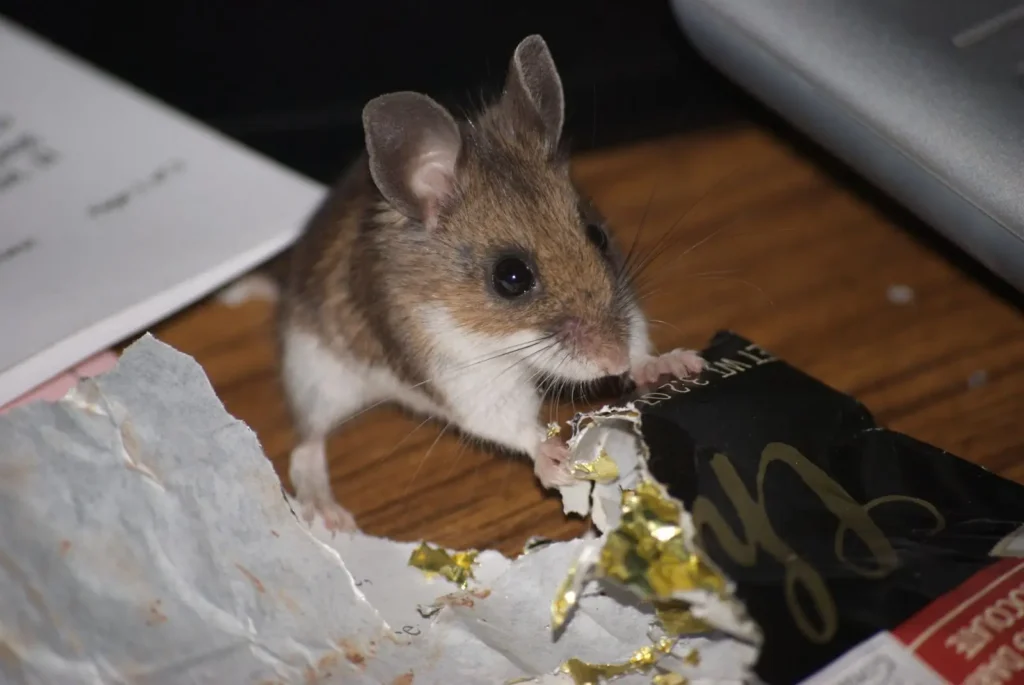
Social exploratory behavior:
Sometimes mouse do not only show this nature in new environments, but at every moment. When they meet a new partner, they will understand him by smelling him. Again, many times, they get scared in the presence of an unfamiliar rat. Then they prepare for a fight and pretend to be afraid. Sometimes they build a relationship with their partner through play.
Relationship with mental development:
This exploratory behaviour of mouse teaches them to increase their memory. As a result, they start looking for a specific smell and greatly increase their mental skills. Their investigative behavior is very fruitful in knowing about that place first in an unknown place. As a result, rats adapt easily compared to other animals and greatly increase their chances of survival in the future.
Conclusion:
This exploratory behaviour of mouse is not just curiosity but it can be said to be their life strategy. Through this method, they understand the new environment, find food and create social relationships. This nature of rats also becomes one of the topics of discussion in scientific research. Therefore, it would be wrong to think of rats as only harmful animals. If zoologists understand the Explorer Chori behaviour of mouse in various way then many more unknown facts will be known about them.