
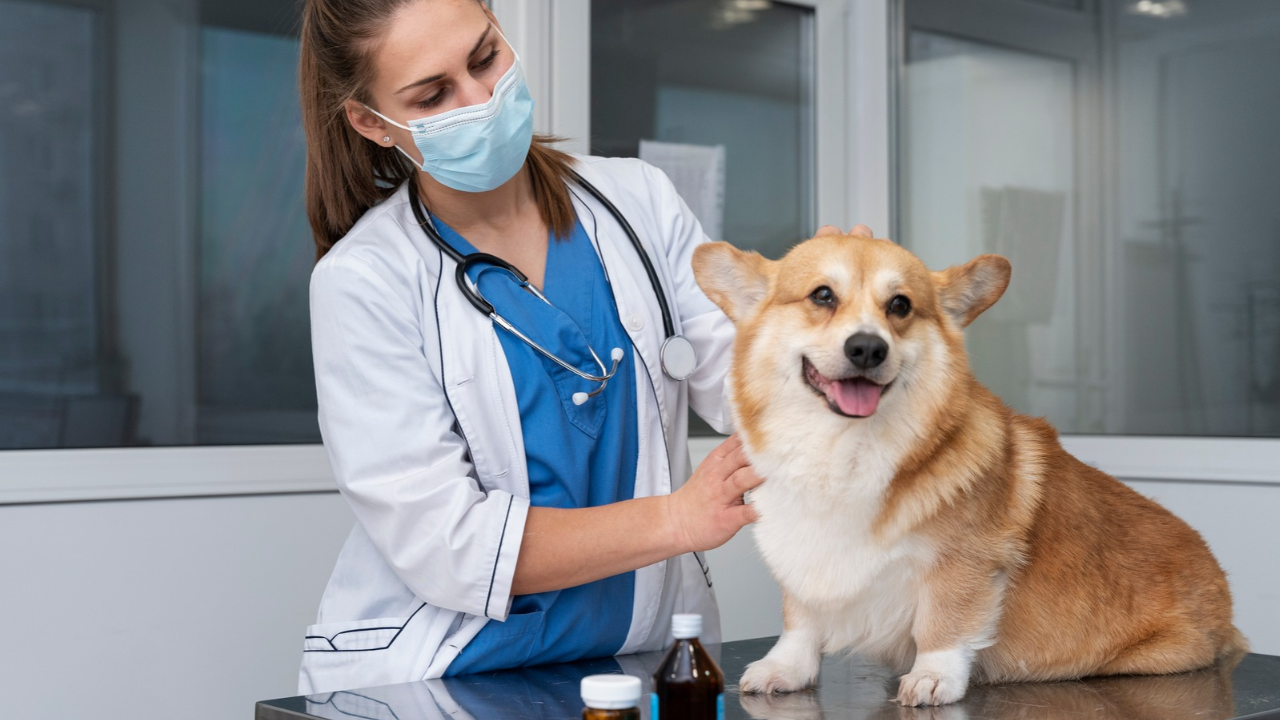
Recognizing the Subtle Signals: Understanding When Your Canine Companion Needs Veterinary Attention
When should you take your dog to the veterinarian?
Primary symptoms—small symptoms, large hints:
Dogs’ illnesses often begin with very common syndrome. Such as stopping eating suddenly, sleeping more, or laziness. Many people think that these are one or two days of problems, but they may have a serious cause.Especially if your dog hasrepeated vomiting, chest pain, or shortness of breath, it should not be neglected. They can be the primary syndrome of any viral infection, internal infection, or organ disorder. Then you have to be sure that your dog needs to see a vet.
Not negligent, awareness is urgent:
If your dog does not want to walk or digs suddenly, it may be an indication of a muscle or joint problem. Immediate treatment is needed if the fluid is drained through the eyes or the nose, or if the body swells anywhere.Extreme or low urine or color changes in urine—these can be symptoms of urinary tract infections. If the dog is licking or biting a certain part of the body, there is pain or itching.Every small symptom carries an important message about the well-being of your pet. Then you have to be sure that your dog needs to see a vet.
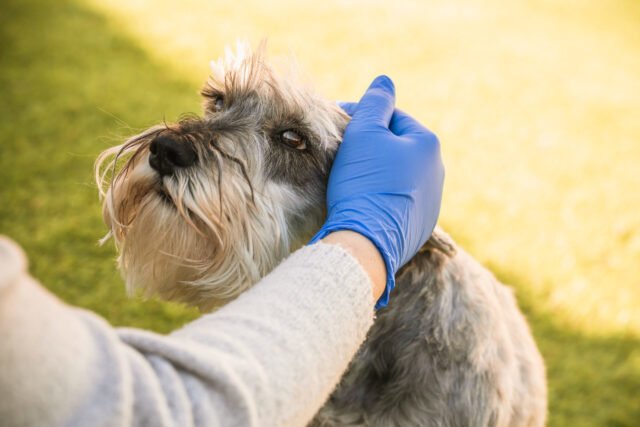
Behavioral Change—Shadow of Mental and Physical Problems:
In addition to physical illness, behavioral changes can be a major signal for the inner distress of the dog.If an ordinary, lively dog suddenly wants to be alone or becomes aggressive, it can be a reflection of mental stress or physical distress.Many times such behavioral changes occur from toothache, abdominal gas, sore throat, or ear infection.If your dog is suddenly abnormal, shouting, trembling, or suffering in silence, it may be painful.In such a situation, the veterinarian should be consulted as soon as possible so that the problem can be diagnosed quickly.In addition, drinking excess water and leaving the excreta in abnormal places can also signal diabetes or kidney problems. Then you have to be sure that your dog needs to see a vet.
Adult changes and regular health examinations:
As the age of the dog increases, the normal functioning of different organs of the body is reduced.In older dogs, dental problems, eye cataracts, heart or kidney problems, or weight loss or growth may occur.If you notice that your dog is easily winded, has difficulty climbing the ladder, or suddenly falls, it can be a symptom of heart disease.In addition, pain in aging arthritis or joints is also a common problem, which disrupts their movement.Such problems need to be diagnosed at least 2 times a year and in advance through blood and urine tests.For older dogs, special diet, regular exercise, and medication application can be improved by improving the quality of life.Many owners think old age means weakness, but awareness can keep older dogs healthy. You always have to keep an eye on when your dog needs to see a vet.
The importance of taking your responsibilities and action at the right time:
Like a dog family, we should have love and responsibility.Since your dog cannot say anything to your face, you need to be careful of his behavior and daily activities.Without consulting the veterinarian at the right time, a small problem can turn into a major disease, which can sometimes be life-threatening.For example, if general diarrhea is not treated in a timely manner, it can lead to dehydration and organ failure.Limping on a little foot can also cause hip dysplasia or nerve problems, which demand long-term treatment. If you observe these syndrome, then you have to be sure that your dog needs to see a vet.
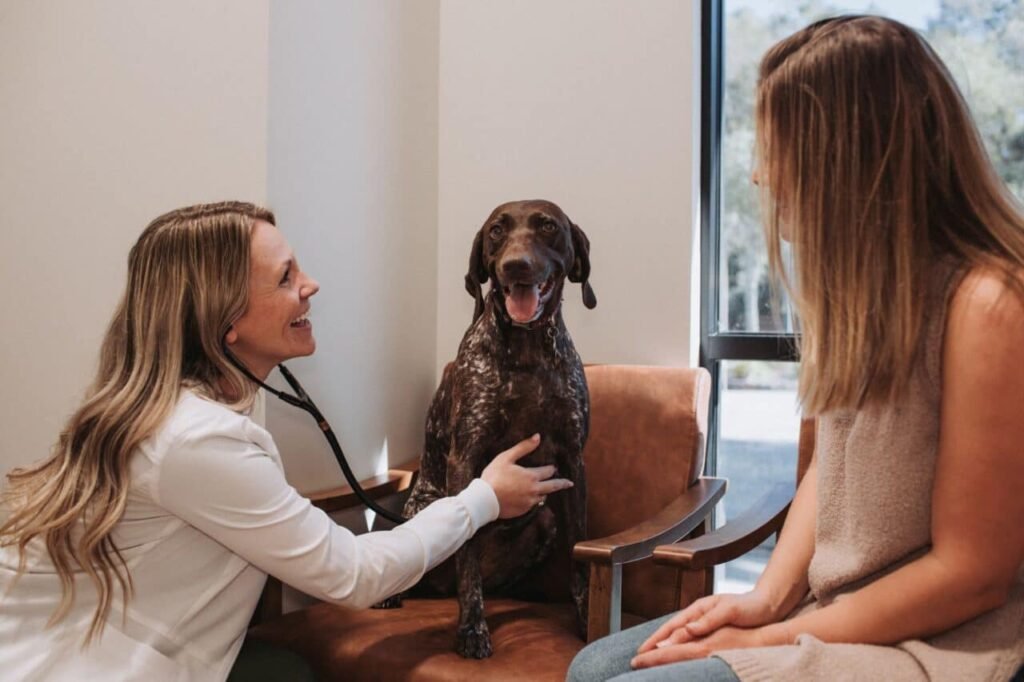
Conclusion:
Proper and timely measures can save the dog life and reduce both your costs and hardships.If your dog gives you life dependence and love, you will have to stand by her at the moment of her illness.Even if you are not sure whether the problem is big, it is always good to contact an experienced veterinarian.Remember, in advance, alertness and awareness are the key to the long and healthy life of pets. You should be always aware of when your dog needs to see a vet.