

Mouse Reproduction: Mouse are one of the most widespread small mammals in the world. Mouse can generally survive in almost any environment around humans and are able to increase their numbers rapidly through reproduction. Compared to other animals, rats have a very high reproductive capacity. They can give birth to a large number of offspring in a few days. Therefore, their population explosion is always possible. Since their life cycle is short, their reproduction rate increases rapidly. Many studies have shown that their population growth has become a problem for humans. Given food shelter and favorable conditions, rats can increase their population in a very short time, so the reproduction and population fluctuations of rats are an integral and interesting aspect of nature.
Mouse reproductive cycle:
The reproduction process of mouse occurs through sexual intercourse because they are mammals. A female rat is usually capable of reproducing at the age of 6 to 7 weeks. On the other hand, a male rat is fully ready for reproduction at six to eight weeks. During sexual intercourse, the female rat attracts the male rat and forms a pride through mating. Now you can understand that mouse reproduction is much important to their life circle.
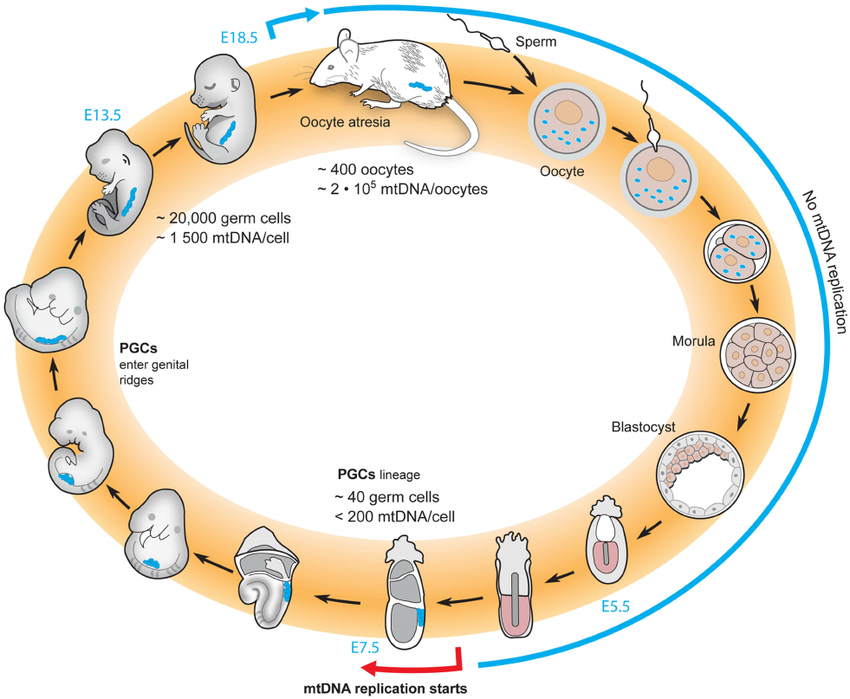
Pregnancy and birth of offspring:
The gestation period of female mouse is very short—only 19 to 21 days. Each female rat can give birth to an average of 6 to 12 babies. And studies have shown that this number can increase in some cases. After birth, female mouse are able to reproduce again much faster than other rats and can become pregnant through mating. For this reason, a single female rat is able to give birth to many babies in a very short time. Now it is understood how serious their population explosion occurs in a short time.
Characteristics of newborn mouse:
At birth, mouse babies are blind, hairless and completely dependent on their mother. After about 10–14 days of birth, their eyes open and hair starts growing on their bodies. Within three to four weeks, the rat cubs leave the milk and get used to any solid food. And they leave the company of their mother and move independently. During this time, the rat cubs roam around and roam anywhere.
Reproduction rate:
Reproduction rate: Female mouse can give birth to babies on average 5–10 times a year. Therefore, it is understood how many babies a female rat can give birth to throughout the year. Even if a female rat gives birth to ten babies each time, a single female rat can give birth to more than 100 babies per year. And this is why a female rat is able to give birth to the most babies in her lifetime. This unusually fast reproductive ability has made rats one of the most successful species in the world.

Population expansion:
According to population dynamics, the mous reproduction depends most on the environment. Because if they get a hostile environment, it is not possible to increase their population so much. We can think that a large amount of leftover food and any shelter are one of the main reasons for their population growth. On the other hand, if it is seen that there is a shortage of food and no shelter, then their population decreases in hostile environments. Many studies in biology have shown that the population of mouse fluctuates in this way, balancing favorable and unfavorable environments.
Density-dependent effect:
When the number of mouse increases excessively, competition begins among them. This is a problem in every animal. Competition is a process where one animal gets into conflict with another animal. Rats also participate in this same life process. They fight each other for food and shelter and as a result, the mortality rate increases in many cases. As a result, it effects successfully on mouse reproduction rate. In biology, this is called the density-dependent effect.
Environmental effects:
Mouse reproduction directly affects the environment. Mouse are harmful mammals. The dynamics of their population have a detrimental effect on the environment. The accumulation of excess rats has a detrimental effect on crops. Again, the presence of rats in the house destroys household items. Since rats feed on a variety of foods, their saliva is harmful in excess. Therefore, they can spread diseases by eating household food. Again, ‘plague’ is transmitted through rat bites. However, they play an important role by taking many predators as food.

Conclusion:
Mouse reproduction and population dynamics of rats is a wonderful process. Due to the rapid reproduction capacity of rats and their ability to adapt to any environment, they have spread to a large number in the world in a very short time. As a result, they have a detrimental effect on nature. There are many examples of plague transmission through rat bites throughout the world over the centuries. On the one hand, they are annoying and harmful to humans, on the other hand, they are important for research and natural balance. Therefore, understanding the mouse reproduction and population fluctuation is essential not only from the perspective of biology, but also for human life and environmental management.