
Pet-organism stress and cause:
Posted creatures also feel emotional like humans and may feel deep anxiety or sadness in your absence. Especially when dogs and cats make a close relationship with you, their emotional stress increases a lot during the separation. They behave like weeping, abnormal bark, damagingthe house while getting out of the house. They do such behavior because of monotony, insecurity, or excess dependence.
If you ignore it a little, then over time, the problem of pet anxiety can also have a serious result.
Symptoms of pet anxiety:
If pets are concerned, there is a clear change in their behavior, such as the extra barking or shouting.
They can bite the goods, damage the furniture, or behave destructively, like the skin of their body. Many times they stop eating or regularly leave the urine. Some animals wander around, look at the door, or look forward to your return. If these symptoms are seen, then it is necessary to take initiative for timely solutions.

Accustomed to being alone and trained:
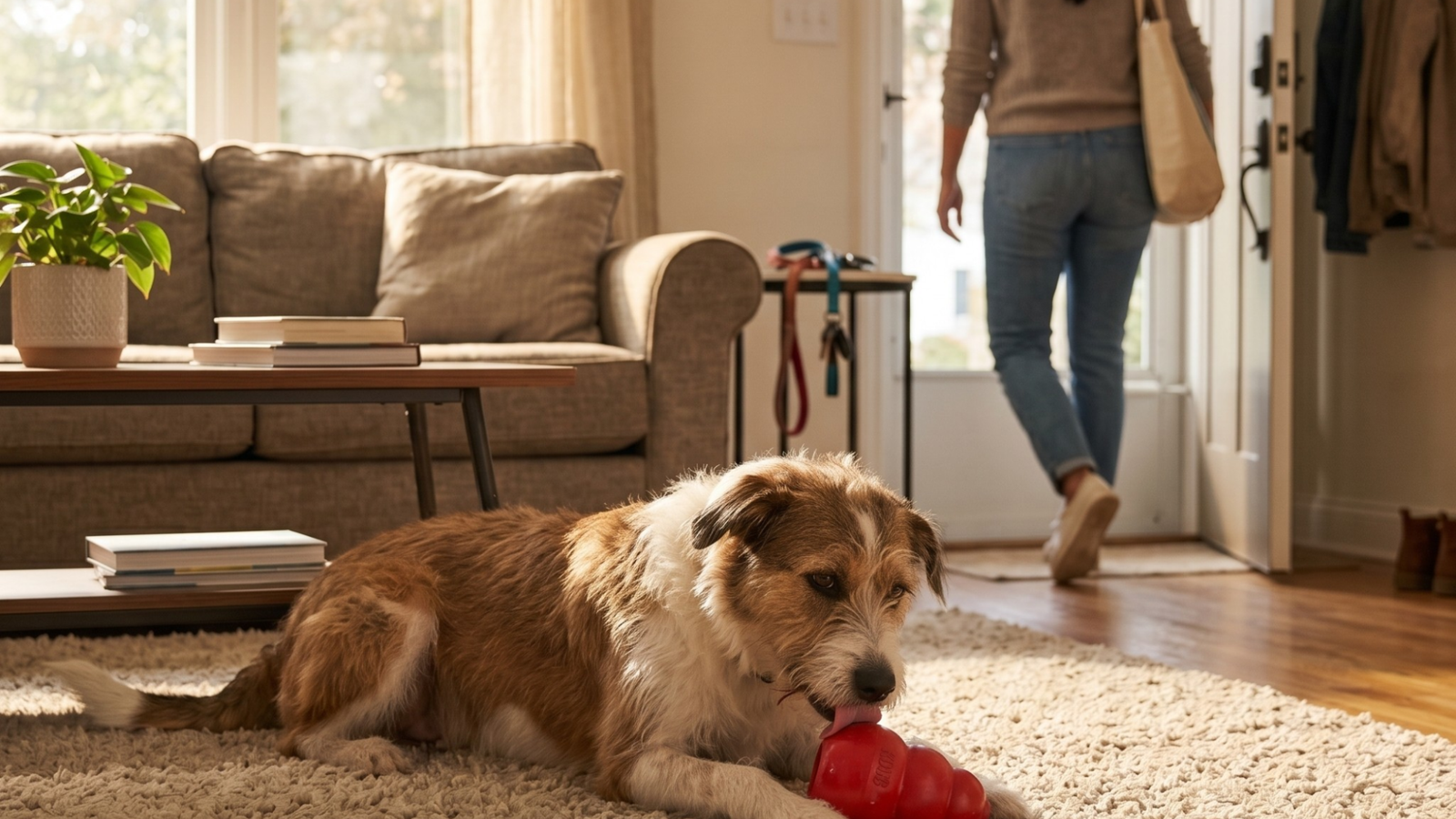
The first step here is to make the pet animal slowly accustomed to being alone. First, start keeping a few minutes alone. Then increase the time of loneliness slowly. Teaching ‘Stay’ or ‘Wait’ is an effective way. When they are right during this command, then reward them with a test treatment. Before preparing to go out (shoes, keys, jackets), wait for some time to understand the animals you really are going to see. It can be avoided. Use a favorite toy (content toy or food puzzle) to turn loneliness into a positive experience; it will keep their attention busy and bring joy. Mainly, training is step-by-step and regular. In this way, they will learn to calm themselves if they can build a routine. This procedure can decrease pet anxiety.
Mental stimulation and environmental development:
Determine a quiet and safe place for the mental well-being of the pet, where they get comfort and feel security.
Schedule every day to play sports—such as throwing balls, hiding, or meditation—they develop bonds and reduce anxiety.
Using intelligence toys or food puzzles increases their attention, gives them mental challenges, and makes loneliness comfortable. If there is no one in the house for a long time, then pets carefully (stomach stir) regularly create a feeling of companhia or mixture for them.
When the nearest pets are accustomed, their connection increases—such as cats or small dogs—they are free from pet anxiety to get each other.
To maintain professional help and patience:
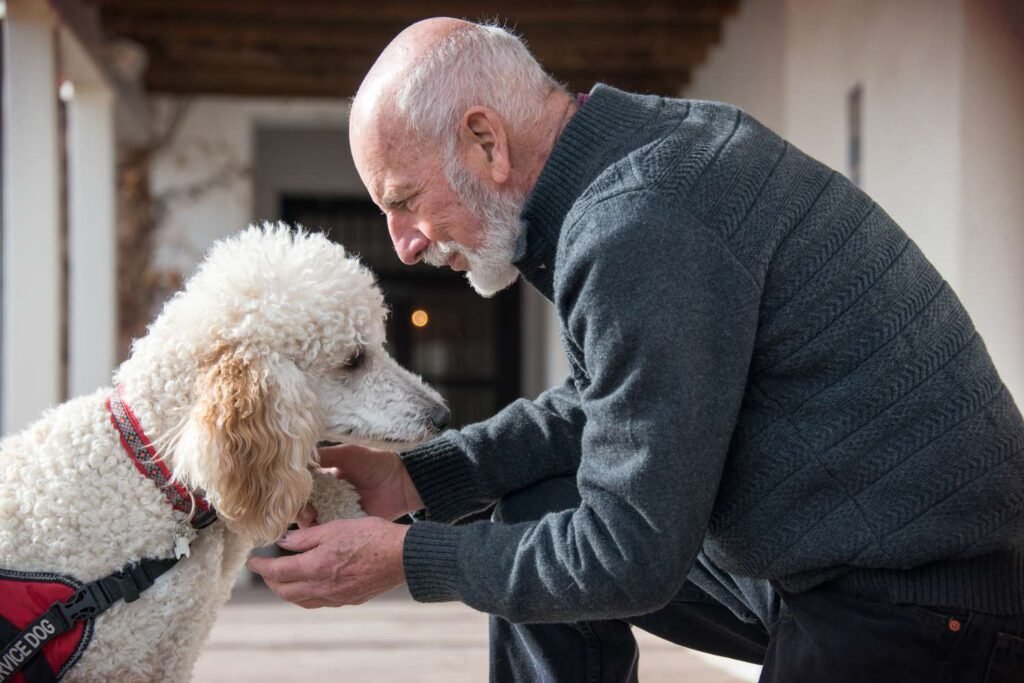
If your attempt does not give the mind-like results, that is, if the depth of the problem is reduced or the situation is bad, then the veterinarian or livestock behavior expert should be contacted. Often psychological therapy, special behavior change programs, or light medical diagnosis may be needed for pet anxiety. Only experienced professionals can manage well. But before that you need not only training or treatment but also patience, love, and time—the combination of these three.
Conclusion:
The nature and needs of each pet are different. So the same technique may not be effective in all cases. You need to analyze and suggest individually if needed. Pet anxiety is a very important thing. Finally, slowly, but with strong love and care, you can relieve the anxiety of your pet. It will make their lives happy and safe.