
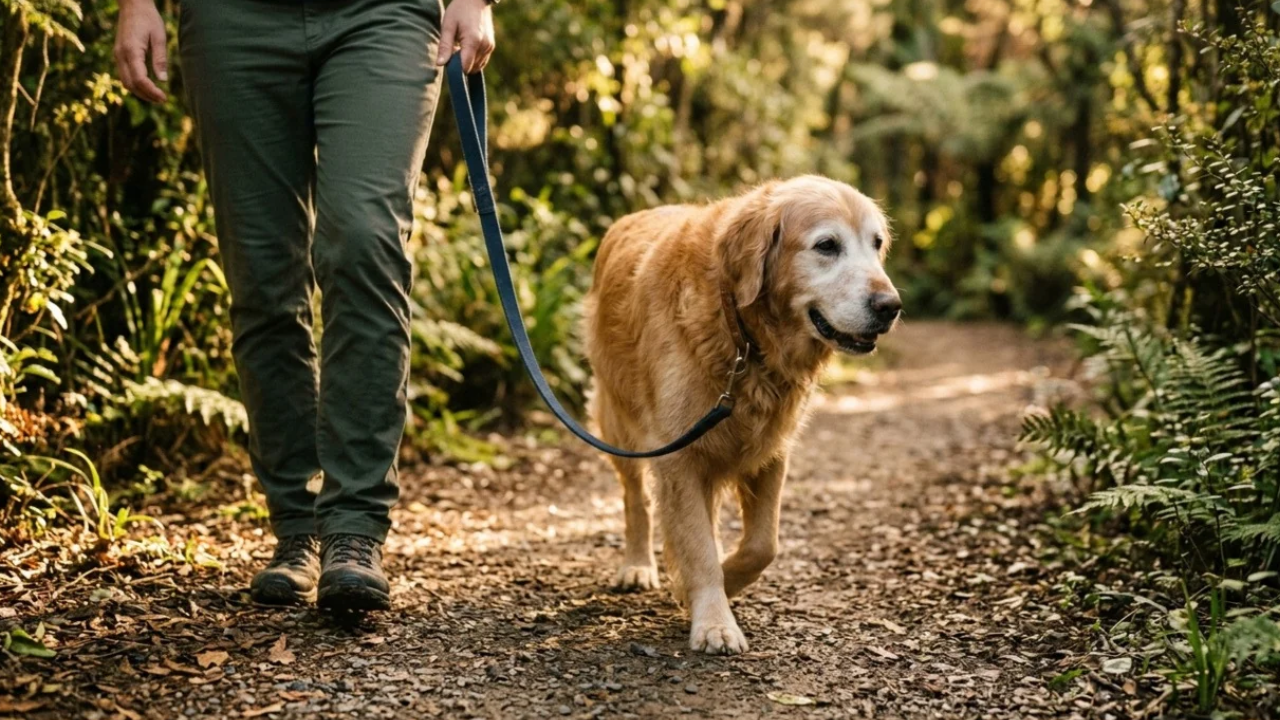
The question, “How Often Should You Walk Your Dog?”, is a cornerstone of responsible dog ownership, yet the answer is far from a one-size-fits-all prescription. Daily walks are undeniably vital for a dog’s physical and mental health, echoing the sentiment that “a tired dog is a good dog.” However, the precise frequency, duration, and intensity of these walks, and indeed, the inclusion of other forms of exercise, must be carefully calibrated to the individual needs of each canine companion. These needs are intricately woven with factors such as breed predispositions, age-related considerations, and inherent energy levels. Understanding these nuances is paramount to crafting an exercise regimen that not only meets a dog’s physical requirements but also enriches their mental state and contributes to a harmonious relationship between pet and owner.
Beyond the simple act of strolling on a leash, exercise for dogs encompasses any activity that encourages movement and stimulates their minds. This can range from spirited games of fetch in the park to engaging obedience training sessions, or even low-impact activities like swimming. The benefits of regular and appropriate exercise are manifold. Physically, it plays a crucial role in preventing obesity, bolstering cardiovascular health, and mitigating the risk of chronic conditions that can compromise a dog’s quality of life. Mentally, exercise serves as an essential outlet for energy, reducing boredom and the anxiety that can manifest in undesirable behaviors. A recent study highlighted the general guideline that dogs require anywhere from 30 minutes to two hours of exercise daily. However, this broad spectrum underscores the necessity of a more personalized approach, factoring in the unique characteristics of each dog. Consulting with a veterinarian is an invaluable first step in establishing a baseline understanding of your dog’s specific exercise requirements. This guide aims to further illuminate the key determinants of a dog’s exercise needs, providing insights into how breed type, age, and energy levels influence the ideal activity routine for your beloved pet.

Deciphering Exercise Needs: The Interplay of Breed, Size, and Age
Determining “How Often Should You Walk Your Dog?” and what constitutes sufficient overall exercise involves considering a constellation of factors, with breed, age, size, and general health forming the primary axes. As Dr. Mathieu Glassman, a Board Certified Veterinary Surgeon and Founder of Dr. Cuddles, aptly notes, there is no universal formula. Instead, the provided estimates serve as a valuable starting point, which must then be fine-tuned based on your dog’s individual responses and preferences.
The Influence of Breed:
Different breeds possess inherent traits and temperaments that significantly impact their exercise requirements. Gundog and hound breeds, for instance, are genetically predisposed to high levels of activity and often thrive on extended periods of vigorous exercise. High-energy breeds like Border Collies and Huskies typically relish intense workouts lasting anywhere from 30 to 60 minutes. Conversely, brachycephalic (flat-faced) breeds such as Bulldogs and Pugs are more susceptible to heat intolerance and often benefit more from shorter, less strenuous walks. Dr. Glassman emphasizes this point, explaining that a brief five-minute walk for a smoosh-faced dog during the heat of the day can be far more taxing than a longer walk for a Collie under the same conditions. Understanding your dog’s breed-specific tendencies is crucial in tailoring an appropriate exercise regimen.
The Role of Size:
While intuition might suggest that larger dogs invariably require more exercise, the reality is more nuanced. While all dogs need regular activity, giant breeds like Great Danes and Saint Bernards are often prone to hip and joint issues. Therefore, their exercise should prioritize low-impact activities such as short, gentle walks, swimming, and even controlled treadmill sessions, which keep them mobile without placing excessive stress on their joints. The focus shifts from high-intensity, long-duration exercise to consistent, moderate movement.
The Impact of Age:
A dog’s age is another critical determinant of their exercise needs. Very young puppies require frequent, short bursts of activity and stimulation, rather than prolonged periods of strenuous exercise. Their endurance is limited, and excessive exertion can be detrimental to their developing bodies. Young adult and healthy adult dogs typically possess the highest capacity for sustained activity. As dogs enter their senior years, their exercise needs often shift again. Older dogs may prefer shorter, slower walks and may tire more easily. Dr. Glassman advises paying close attention to your dog’s cues. Nudging, bringing their leash, or exhibiting signs of restlessness can indicate pent-up energy. Conversely, lagging behind, excessive panting, or reluctance to continue an activity signals the need to slow down or stop.
Beyond the Leash: Diverse Forms of Canine Exercise
Walking is undoubtedly a cornerstone of a dog’s exercise routine, but it is by no means the only avenue for physical and mental stimulation. A well-rounded exercise plan incorporates a variety of activities tailored to a dog’s individual preferences and abilities.
Outdoor Activities:
Hiking:
For adventurous dogs that enjoy exploring new scents and environments, hiking on dog-friendly trails can be an excellent form of exercise. Ensuring access to water and choosing trails appropriate for your dog’s fitness level are essential considerations.
- Swimming: Swimming is a fantastic low-impact exercise, particularly beneficial for dogs with joint issues or those recovering from injuries. Many dogs naturally enjoy water, and it provides a full-body workout without the concussive impact of running.
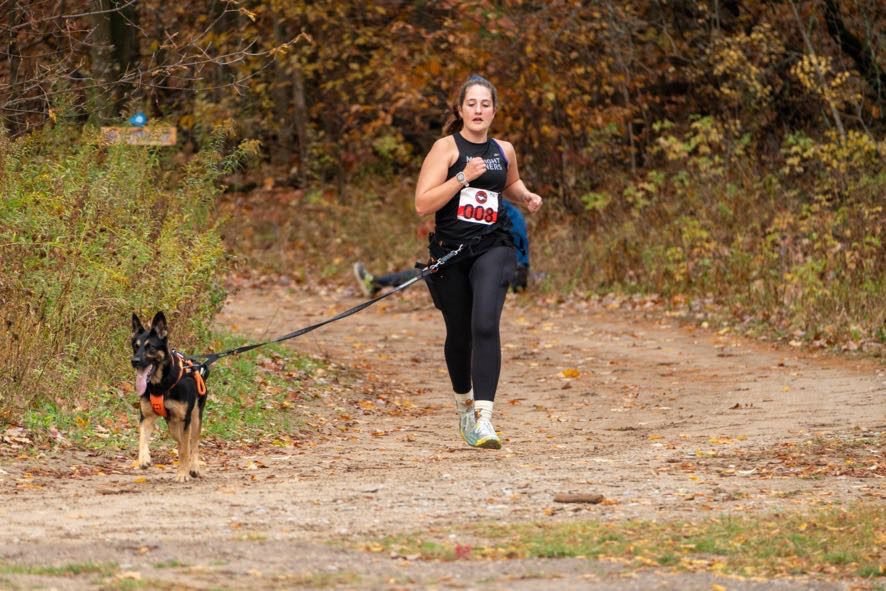
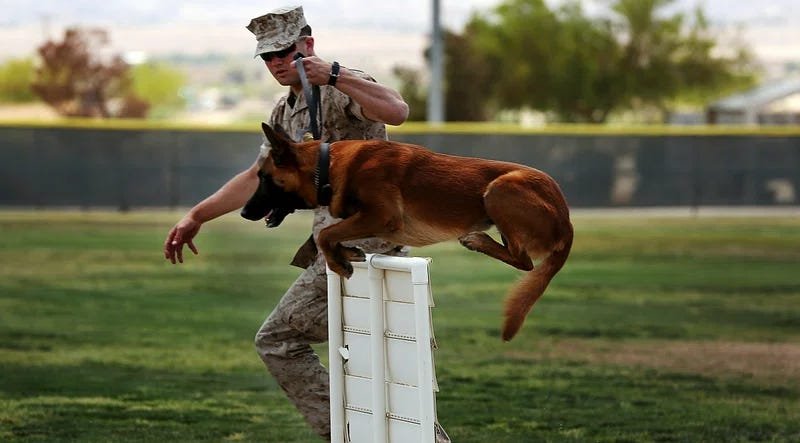
- Dog Sports: For high-energy breeds that thrive on structured activity, dog sports like flyball, dock diving, and herding trials offer both physical and mental challenges. These activities can be a great way to channel their energy and strengthen the bond between dog and owner.
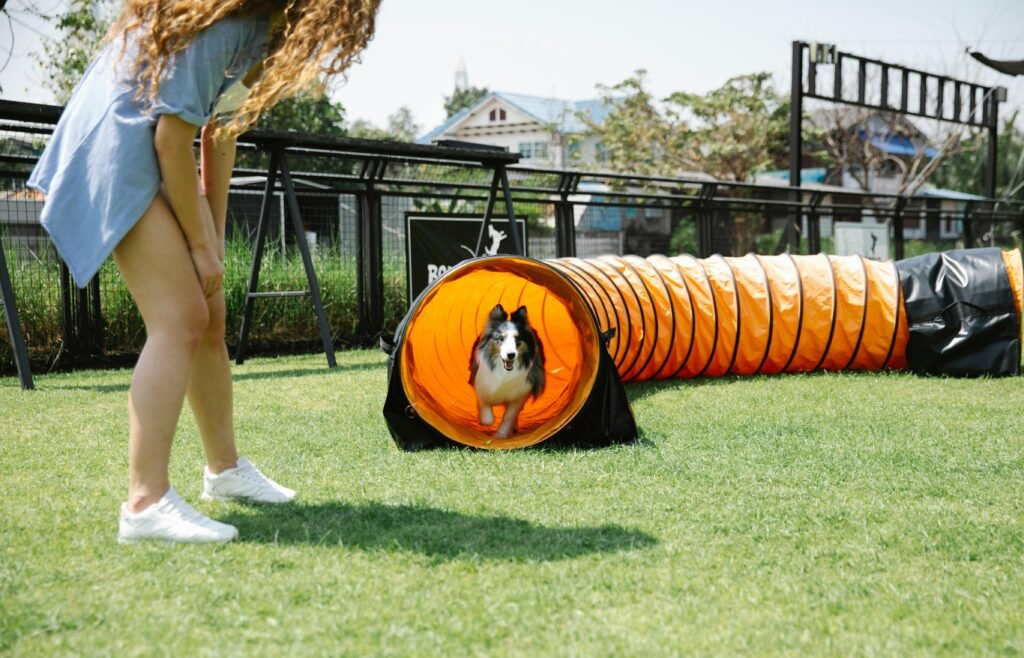
- Agility Training:
Setting up a backyard obstacle course or enrolling in an agility class provides a fun and engaging way to exercise both a dog’s body and mind. Navigating obstacles enhances coordination and problem-solving skills.
Fetch and Frisbee:
These classic games are excellent for dogs that love to run and retrieve. They can be adapted to various environments, from parks to large yards, and provide a good cardiovascular workout.
- Walking: As previously discussed, walking remains a fundamental form of exercise, offering both physical benefits and opportunities for sensory exploration. Studies have even shown that dog owners who walk their pets are more likely to meet their own recommended physical activity levels.
Indoor Activities:
- Interactive Toys: Puzzle feeders and treat-dispensing toys can engage a dog’s cognitive abilities while also providing a degree of physical activity as they work to access the rewards.
- Hide-and-Seek:
Hiding treats or toys and encouraging your dog to use their nose to find them is a stimulating activity that engages their natural scenting abilities. Nosework is both a mental and physical workout.
- Treadmill Training: On days when outdoor exercise is not feasible due to weather conditions, a slow walk or light jog on a treadmill can help maintain a dog’s activity level. Gradual introduction and positive reinforcement are key to successful treadmill training.
- Training Games:
Practicing obedience cues and teaching new tricks provide mental stimulation and can also involve physical movement. Dr. Glassman points out that the mental exertion of training can be surprisingly tiring for dogs, sometimes even more so than physical running.
Optimizing Your Dog’s Exercise Routine: Practical Tips
Integrating regular and appropriate exercise into a busy schedule requires planning and creativity. Here are some practical tips to ensure your dog gets the activity they need:
Break It Up:
Exercise doesn’t need to occur in one long session. Dividing your dog’s activity into shorter, more frequent intervals throughout the day can be more manageable and less tiring, especially for certain breeds or older dogs.
Mix It Up:
Variety is key to keeping your dog engaged and preventing boredom with their exercise routine. Experiment with different activities to discover what your dog enjoys most.
- Watch the Weather: Extreme temperatures, whether hot pavement in the summer or freezing conditions in winter, can be harmful to dogs. Adjust your plans accordingly and opt for indoor activities when the weather is unfavorable for outdoor walks.
- Include Mental Workouts:
Don’t underestimate the importance of mental stimulation. Incorporating puzzle toys, training sessions, and nosework activities can keep your dog mentally sharp and contribute to their overall well-being.
Seek Assistance When Needed:
When time constraints make it challenging to provide adequate exercise, consider enlisting the help of a professional dog walker or pet sitter.
- Utilize Tracking Devices: Some owners find fitness trackers designed for dogs helpful in monitoring their activity levels and ensuring they are meeting their daily exercise requirements.
- Avoid Overexertion: It’s crucial to recognize the signs of overexertion, such as excessive panting, lagging behind, or reluctance to continue, and to adjust the intensity and duration of exercise accordingly, especially in puppies.
- Maintain Consistency:
Dogs thrive on routine. Establishing consistent times for walks and other forms of exercise can provide them with a sense of predictability and security.
Recognizing When Veterinary Guidance is Needed
While these guidelines provide a framework for understanding “How Often Should You Walk Your Dog?” and their overall exercise needs, there are situations where consulting with a veterinarian is essential. If your dog is overweight, underweight, showing signs of slowing down with age, or exhibiting unusual behavioral changes, a veterinary check-up is warranted.
Be particularly attentive to the following signs that may indicate a need for professional advice regarding your dog’s exercise routine:
Destructive Behaviors:
Excessive chewing, digging, or obsessive licking can be manifestations of anxiety or pent-up energy that may require an adjusted exercise plan.
- Aging: Senior dogs often develop joint issues like arthritis, necessitating modifications to their exercise routine to accommodate their reduced mobility.
- Loss of Enthusiasm for Exercise:
A sudden lack of interest in walks or playtime in a typically energetic dog could indicate underlying fatigue or a medical issue. Dr. Glassman emphasizes that a dog’s desire to please is a strong motivator, so a refusal to engage in previously enjoyed activities should be noted.
Reactivity:
Barking, lunging, or aggression towards other dogs or people on walks may suggest a need for a more tailored exercise plan that addresses their behavioral needs.
Weight Issues:
Both underweight and overweight conditions can necessitate a reevaluation of the balance between exercise and diet, with veterinary guidance being crucial in establishing a healthy target weight.
The Foundational Role of Walking: More Than Just a Potty Break
The question “How Often Should You Walk Your Dog?” often evokes images of simple leash walks. However, these outings are far more than just opportunities for elimination. Dr. Emily Wilson, DVM, a veterinarian at Fuzzy, emphasizes that walks can be highly interactive, serving as a means for both physical exercise and mental stimulation. For younger, high-energy dogs, longer walks can indeed help to expend excess energy, leading to a calmer demeanor at home. However, Dr. Wilson underscores the importance of consistency. Establishing a regular walking schedule at roughly the same times each day provides dogs with a sense of comfort and predictability, which can positively impact their emotional regulation.
Navigating Puppyhood: When is it Safe to Walk?
While it’s natural to want to introduce puppies to the joys of outdoor exploration, caution is paramount due to their developing immune systems. Highly contagious and potentially life-threatening viruses like parvovirus pose a significant risk to unvaccinated puppies. Dr. Wilson advises that most puppies complete their core vaccinations by around 16 weeks of age, after which they are generally safe to be exposed to other animals. In the interim, it’s crucial to limit a puppy’s contact with unfamiliar dogs and potentially contaminated environments. She recommends waiting approximately two weeks after the final booster shot to allow the immune system to fully mature before venturing into public spaces. Additionally, puppies are less adept at regulating their body temperature, making it essential to be mindful of extreme weather conditions, such as hot asphalt in the summer or freezing temperatures in winter, during walks. Short potty breaks are necessary, but prolonged exposure to harsh weather should be avoided.
Tailoring Walks to Different Life Stages:
Puppies:
Compared to adult dogs, puppies have lower endurance and require more frequent potty breaks, typically every two to four hours. Consequently, walks will be shorter and more frequent. Dr. Wilson cautions against taking very young or small-breed puppies on overly long walks. Leash training should also be a gradual process, starting in a secure environment like a backyard before progressing to public walks. Correlating walks with potty breaks after meals can aid in successful house training. For a 10-week-old puppy, a 10-minute walk two or three times a day might be appropriate, with gradual increases in duration as they grow.
Adult Dogs:
For adult dogs who are not accustomed to regular exercise or are out of shape, starting with 10 to 15-minute walks is a sensible approach. Observing your dog’s pace and adjusting accordingly is important. As their fitness improves and provided there are no underlying health issues, the duration and frequency of walks can be gradually increased. The ideal “How Often Should You Walk Your Dog?” for a healthy adult dog often involves at least two walks per day, with the length and intensity varying based on their breed, energy level, and individual needs. Even dogs with mobility issues can benefit from short, gentle walks to help prevent joint stiffness and inflammation.
- Senior Dogs: Exercise remains vital for senior dogs, helping to maintain their fitness and providing valuable mental stimulation through exposure to new sights, sounds, and smells. However, the pace and duration of walks need to be adjusted to their capabilities. Dr. Wilson emphasizes the importance of slower and more frequent movement for dogs with arthritis. Consulting with a veterinarian and closely monitoring for signs of pain or fatigue, such as limping, stopping, heavy panting, or difficulty navigating obstacles, is crucial. If a walk becomes too strenuous, utilizing a wagon or stroller can allow senior dogs to continue enjoying the sensory enrichment of being outdoors without overexertion.
Enhancing Walks: Training and Bonding Opportunities
Dog walks are not merely about physical exertion; they present valuable opportunities for training and strengthening the bond between dog and owner. Utilizing positive reinforcement techniques, such as treats and praise, can make walks more engaging and productive. Adapting the walk to your dog’s comfort level is also essential. Some dogs are naturally outgoing and enjoy meeting new people and other dogs, while others may be more reserved. Creating a positive and non-overwhelming experience is key to building confidence. For puppies and older dogs, being mindful of the impact on their joints by opting for softer surfaces like grass or wooded trails and limiting time on asphalt or concrete is advisable. Protective paw wear like booties or paw balm can also be beneficial. For activities like jogging or bike riding with your dog, Dr. Wilson recommends waiting until they are at least a year old to avoid excessive stress on their developing joints, particularly in larger breeds.
Beyond Walks: Alternative Forms of Exercise and Enrichment
Providing adequate exercise for your dog doesn’t always require venturing far from home. Engaging in training sessions indoors or in the backyard offers significant mental enrichment. Once basic commands are mastered, introducing more challenging tricks or even exploring dog sports like obedience or AKC Rally can provide both mental and physical stimulation. For food-motivated dogs, hiding treats around the house or utilizing interactive puzzle toys can encourage movement and problem-solving skills. The key is to be creative, experiment with different activities, and prioritize making exercise a fun and positive experience for your dog. Viewing exercise as a form of preventive care is crucial, as it plays a significant role in reducing the risk of illness and improving a dog’s overall health and well-being as they age. As Dr. Wilson aptly states, exercise should be something that dogs look forward to throughout their lives.
In conclusion, determining “How Often Should You Walk Your Dog?” and their overall exercise needs is a dynamic process that requires careful consideration of their breed, age, energy levels, and individual preferences. While regular walks are foundational, a comprehensive exercise plan incorporates a variety of activities that cater to both physical and mental well-being. Consulting with a veterinarian is essential to establish a safe and effective exercise routine tailored to your dog’s unique requirements. By understanding these nuances and prioritizing consistent, engaging, and appropriate activity, you can significantly contribute to your canine companion’s health, happiness, and longevity.