


Have you ever sat on your sofa after a long, tiring day, only to have your cat curl up beside you and start making that soft, comforting sound? That gentle rumble, often accompanied by half-closed eyes and a relaxed little face, can make even the most stressful day feel a little better.
But have you ever wondered, why do cats purr?
Most people associate a cat’s purring with happiness. And yes, cats often purr when they feel safe, comfortable, and loved. However, there is much more to this familiar sound than meets the eye. Cats may also purr when they are hungry, nervous, seeking attention, or even experiencing discomfort.
Understanding why cats purr can help you understand your furry companion a little better. After all, our cats may not speak our language, but they have their own fascinating ways of communicating with us.
Let’s explore 10 surprising reasons behind your cat’s purring behavior.

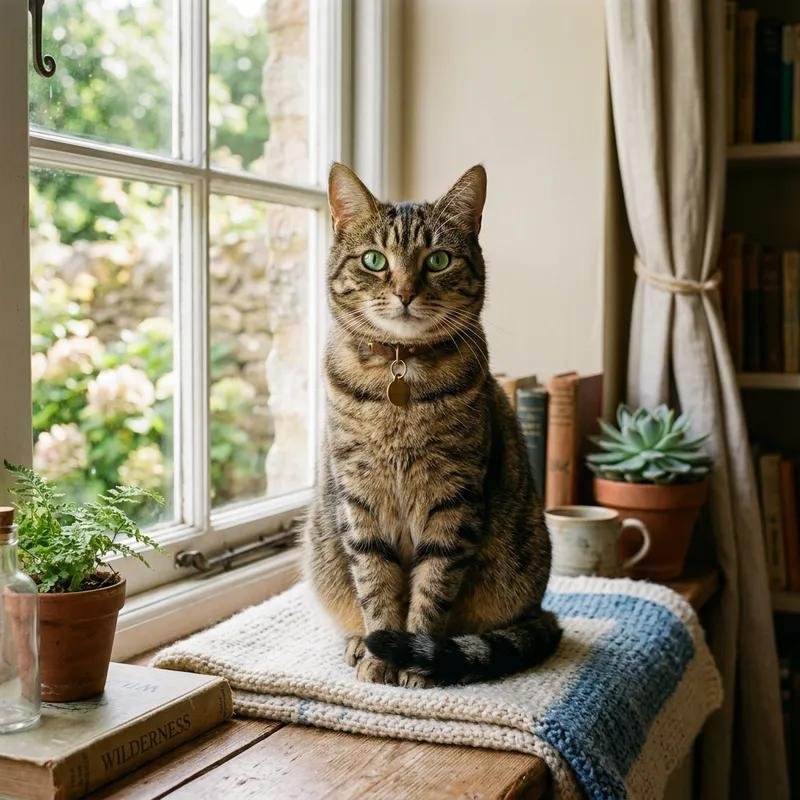
Your Cat Feels Happy and Relaxed :
One of the most common reasons cats purr is that they feel happy and comfortable.
Think about those quiet moments when your cat curls up in your lap, stretches its paws, closes its eyes, and begins to cats purr softly. These are often signs that your cat feels safe and relaxed in your company.
Cats may purr while resting on their favorite blanket, enjoying a gentle massage behind the ears, or simply spending time near someone they trust.
For many cats, purring is a natural expression of contentment. It is their way of enjoying the moment without needing anything more.
How to recognize happy purring: Look for relaxed body posture, soft eyes, forward-facing ears, and a comfortable resting position.
However, remember that purring alone does not always mean happiness. Your cat’s body language and surroundings can tell you much more about how it feels.
Your Cat Is Showing You Affection :
Have you noticed that your cat starts purring whenever you sit down beside it or gently stroke its head?
That little rumble may be part of the special bond you share.
Cats often purr during positive interactions with people they trust. Some enjoy sitting on their owner’s lap, while others prefer to stay nearby, rubbing against a hand or resting their head against an arm.
Unlike dogs, cats sometimes show affection in quieter, less obvious ways. A slow blink, a gentle head bump, a relaxed tail, or choosing to sleep beside you can all be signs of trust.
When purring happens alongside these behaviors, it may be your cat’s way of expressing comfort and connection.
So, the next time your cat settles beside you and begins to purr, take a moment to enjoy it. You might be sharing one of those small, beautiful moments that make life with a cat so special.

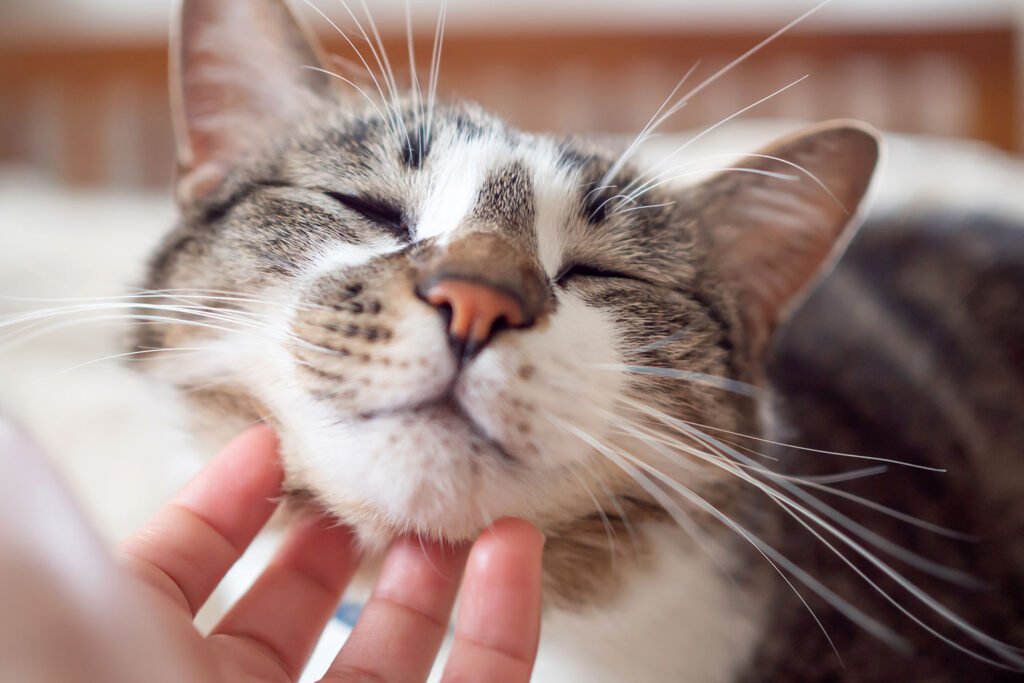
Kittens Purr to Communicate With Their Mothers :
Cats purr begins surprisingly early in a cat’s life.
Young kittens can start purring when they are only a few days old. This early sound helps them communicate with their mother while they are still small, vulnerable, and dependent on her for warmth and nourishment.
A mother cat may also purr while nursing or staying close to her kittens. The sounds and physical contact help maintain communication between them.
Imagine a litter of tiny kittens nestled together, their eyes still closed, quietly purring against their mother. It is a simple but fascinating example of how cats use sound to stay connected.
As kittens grow older, they continue to use purring in different situations, including when they interact with other cats and humans.
In a way, the purr that comforts your adult cat today may be connected to one of the earliest forms of communication it learned as a kitten.
Your Cats purr Is Asking for Food :
Does your cat suddenly become extra affectionate when breakfast or dinner time approaches?
Perhaps it follows you into the kitchen, rubs against your legs, looks up at you with those irresistible eyes, and starts purring.
Your cat may be trying to tell you something: it wants food.
Some cats combine purring with meowing to get their owner’s attention, especially when they expect a meal. Research has identified a special type of solicitation purr in some cats, which combines the familiar purring sound with a higher-pitched component that people may find difficult to ignore.
This sound can be surprisingly effective. Even people who are busy or distracted may respond when their cat begins its familiar mealtime routine.
Of course, not every purr means your cat is hungry. Pay attention to the timing and the behavior that accompanies the sound.
If your cat regularly purrs near its food bowl or follows you around the kitchen, it may have learned that this behavior helps it get what it wants.
And honestly, many cat owners know how difficult it can be to resist that little face.
Purring May Help Your Cat Feel Calm During Stress :
Here is something many cat owners do not realize: cats do not always purr because they are happy.
Some cats purr when they feel anxious, frightened, or uncertain about what is happening around them.
For example, a cat may purr during a visit to the veterinarian, while adjusting to a new home, or when encountering unfamiliar people or animals.
In these situations, purring may be associated with self-soothing or an attempt to regulate their emotional state. Scientists are still studying the precise reasons cats purr in different circumstances, so the exact role of purring in stress management is not fully understood.
If your cat is purring but also hiding, crouching, trembling, keeping its ears flattened, or trying to escape, do not assume it is feeling happy.
Instead, give your cat space, keep the environment calm, and allow it to approach you when it feels ready.
Sometimes, the best way to comfort a nervous cat is not to pick it up or force interaction, but simply to let it know that it is safe.
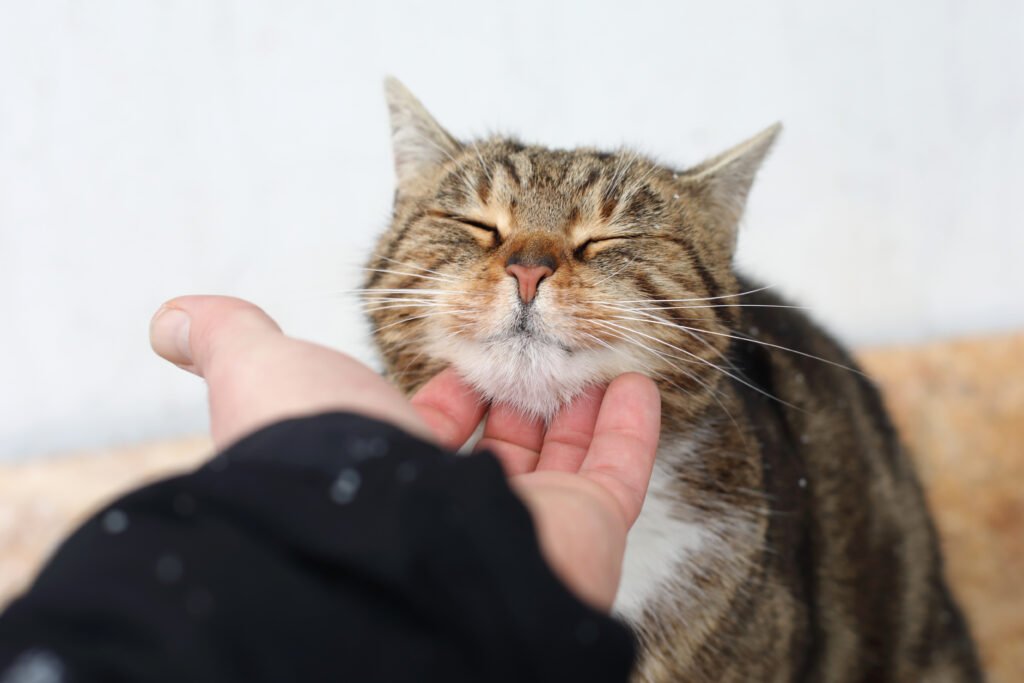
6. Your Cats purr May Be Seeking Your Attention
Cats have their own personalities. Some are independent observers who prefer to watch the world from a window, while others want to be involved in practically everything you do.
If your cat follows you from room to room, purrs beside your desk, or nudges your hand while you are working, it may be asking for attention.
Perhaps it wants to be petted. Perhaps it wants to play. Or perhaps it simply enjoys being near you.
Cats learn from experience. If purring regularly leads to cuddles, playtime, or gentle conversation, they may repeat the behavior because it gets a positive response.
The next time your cat starts purring while you are busy, take a quick look at its body language. Is it rubbing against your hand? Bringing you a toy? Settling beside you?
These small clues can help you understand what your companion might be asking for.
Even a few minutes of interactive play or gentle affection can make a difference to a cat that enjoys regular social contact.
7. Cats May Purr When They Are in Pain or Feeling Unwell
This is one of the most important reasons to understand cat purring.
Because we often associate purring with happiness, it can be easy to assume that a purring cat is perfectly fine. Unfortunately, that is not always true.
Some cats purr when they are injured, uncomfortable, or unwell. Purring may occur alongside attempts to cope with distress, although researchers do not fully understand why this happens.
Cats are also known for hiding signs of illness. In the wild, appearing vulnerable can carry risks, so domestic cats may show subtle changes rather than obvious signs of discomfort.
Watch for other symptoms, such as:
-
- Hiding more often than usual.
-
- Eating or drinking less.
-
- Avoiding jumping or climbing.
-
- Limping or reacting painfully to touch.
-
- Changes in grooming habits.
-
- Unusual aggression, restlessness, or lethargy.
-
- Changes in litter box habits.
If your cat is purring unusually while showing any of these signs, contact a veterinarian. Seek urgent veterinary care if your cat has difficulty breathing, collapses, or appears to be in severe pain.
Remember: Purring is not a reliable way to determine whether a cat is healthy. Changes in behavior and physical condition matter much more.
8. Your Cat May Purr While Sleeping or Resting
Have you ever watched your cat sleeping peacefully and noticed a gentle rumble coming from its little body?
Cats sometimes purr while resting or dozing. This may happen when they are comfortable, feel secure, or are experiencing a positive interaction with someone nearby.
However, purring during sleep does not necessarily mean that your cat is dreaming. We cannot determine what a cat is experiencing simply from the sound it makes while asleep.
Cats spend many hours resting throughout the day, often choosing warm, quiet places where they feel protected. A familiar bed, a sunny windowsill, or the corner of a sofa may become a favorite sleeping spot.
If your cat occasionally purrs while resting and otherwise behaves normally, there is generally no reason to be concerned.
But if the sound is new, unusual, or accompanied by noisy breathing, coughing, or visible discomfort, speak to your veterinarian to rule out a medical problem.
9. Purring May Play a Role in Comfort and Recovery
There is another fascinating aspect of cat purring: the sound is produced through repeated activation of muscles in the larynx, or voice box, while the cat breathes.
Cat purrs commonly fall within a low-frequency range, often reported around 25–150 hertz, although frequencies vary between individuals and circumstances.
These low-frequency vibrations have attracted scientific interest because similar frequencies have been studied in relation to mechanical stimulation of bones and other tissues.
This has led to questions about whether purring might have a role in physical maintenance or recovery. However, the evidence does not establish that a cat’s purr heals injuries, prevents bone disease, or replaces veterinary treatment.
It is an interesting area of research, but it is important to separate scientific possibilities from proven medical benefits.
The safest conclusion is that purring is a complex behavior with several possible functions, and scientists are still working to understand all of them.
10. Your Cat Is Communicating With You in Its Own Language
Perhaps the most fascinating thing about purring is that it is only one part of a much larger communication system.
Cats communicate through sounds, body movements, facial expressions, scent marking, and physical contact.
A purr may mean one thing when your cat is curled up comfortably beside you and something quite different when it is hiding under a bed.
To understand your cat, pay attention to the whole picture.
Look at the ears: Relaxed ears often indicate comfort, while flattened ears can signal fear, stress, or irritation.
Watch the tail: A relaxed tail may accompany a comfortable mood, while a tucked tail can indicate fear. Rapid tail movements can signal agitation.
Notice the eyes: Soft eyes and slow blinking may occur during relaxed interactions.
Observe the body: A loose, relaxed posture differs from a tense, crouched position.
Consider the situation: Is your cat eating, playing, hiding, resting, or visiting the veterinarian?
When you combine these clues with the sound of purring, you can begin to understand your cat’s individual habits and preferences.
Over time, you may discover that your cat has its own little language, one that becomes easier to recognize the more time you spend together.
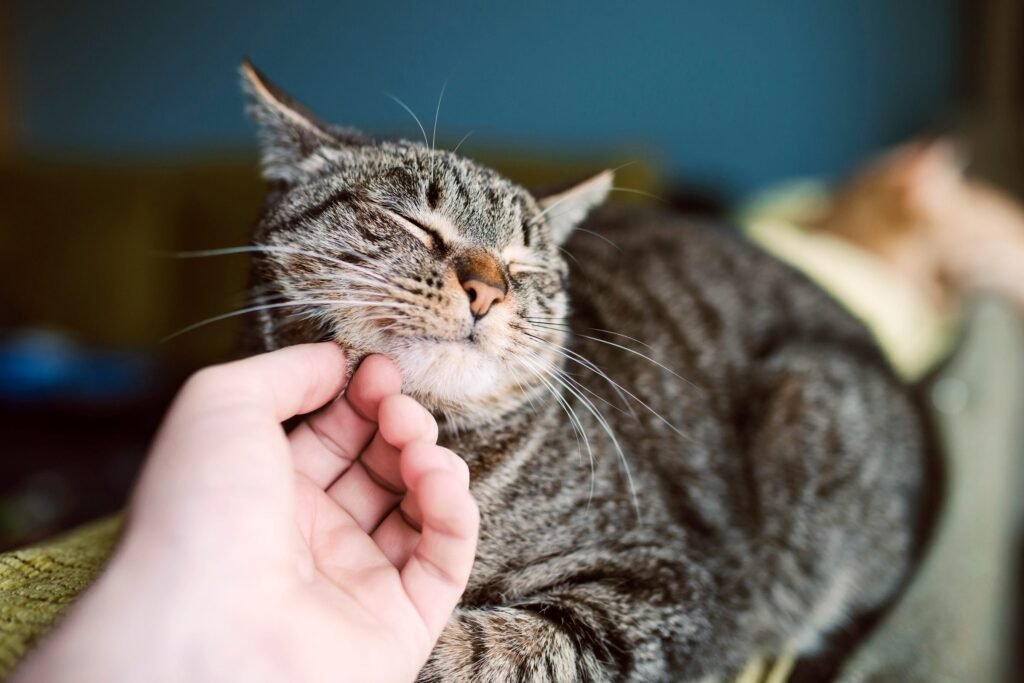
Why Does My Cat Purr So Loudly?
Some cats have naturally louder purrs than others. The volume can depend on the individual cat, the situation, and how close you are to the sound.
A loud purr during cuddling or relaxation is often normal, especially if your cat has always purred that way.
However, if the sound suddenly changes or seems more like wheezing, snoring, or difficult breathing, do not automatically assume it is ordinary purring. Contact a veterinarian if you notice breathing difficulties or other unusual symptoms.
Can Cats Control Their Purring?
Cats appear able to purr in different social situations, and they may adjust their vocal behavior depending on what is happening around them.
However, exactly how much conscious control cats have over purring is difficult to establish. Purring is produced through a specialized pattern of muscular and respiratory activity, and scientists continue to investigate its mechanisms.
What is clear is that purring is not limited to a single emotional state. It can occur during positive interactions, requests for food, and situations involving discomfort or stress.
That is why context matters so much when trying to understand what your cat is communicating.
How to Make Your Cat Feel Safe and Comfortable
You cannot make a cat purr on command, and you should never force physical contact just to hear that familiar sound. Instead, focus on creating an environment where your cat feels secure.
Here are a few simple ways to support your cat’s well-being:
-
- Respect its boundaries. Let your cat decide when it wants to approach or be touched.
-
- Create a comfortable space. Provide a quiet resting area where your cat can retreat whenever it wants.
-
- Keep a predictable routine. Regular feeding, playtime, and rest can help cats feel more secure.
-
- Offer daily play and enrichment. Interactive toys, scratching posts, and safe places to explore can support mental and physical well-being.
-
- Pay attention to changes. If your cat behaves differently or appears unwell, seek veterinary advice.
Most importantly, remember that every cat is different. Some cats are naturally affectionate and vocal, while others prefer to show their trust in quieter ways.
A cat that does not purr often can still be happy, healthy, and deeply attached to its family.
The Little Sound That Tells a Bigger Story
So, why do cats purr?
Sometimes, it is because they are happy. Sometimes, they are asking for food, seeking attention, or responding to a stressful situation. In other cases, purring may accompany discomfort or illness.
The truth is that a cat’s purr does not have just one meaning.
What makes this sound so special is the connection it creates between cats and the people who care for them. It reminds us that communication does not always require words. Sometimes, it comes through a gentle vibration, a soft head bump, or a warm little body settling beside us after a long day.
The next time your cat curls up near you and begins to purr, enjoy the moment. Notice its body language, respect its needs, and appreciate the unique personality that makes your companion special.
Because understanding a cat is not just about learning why it purrs. It is about learning to listen to all the little ways it communicates with you.
And sometimes, those quiet moments say more than words ever could.