


Rabbits are incredibly expressive creatures, and learning to interpret their unique forms of communication is key to building a strong bond with your furry companion. Unlike dogs or cats, rabbits don’t vocalize much, relying instead on a subtle yet intricate vocabulary of movements and postures. By diligently observing their ear, foot, and nose twitches, along with their overall body posture, you can gain invaluable insights into their emotional state, health, and what they’re trying to tell you. Mastering the art of understanding rabbit body language allows you to better cater to their needs, ensuring a happy, healthy, and secure environment.
The Language of the Ears: A Rabbit’s Radar
A rabbit’s ears are far more than just hearing organs; they are sophisticated indicators of their current mood and level of alertness. Paying close attention to how your rabbit positions and moves its ears can tell you a great deal about its perception of the world around it.

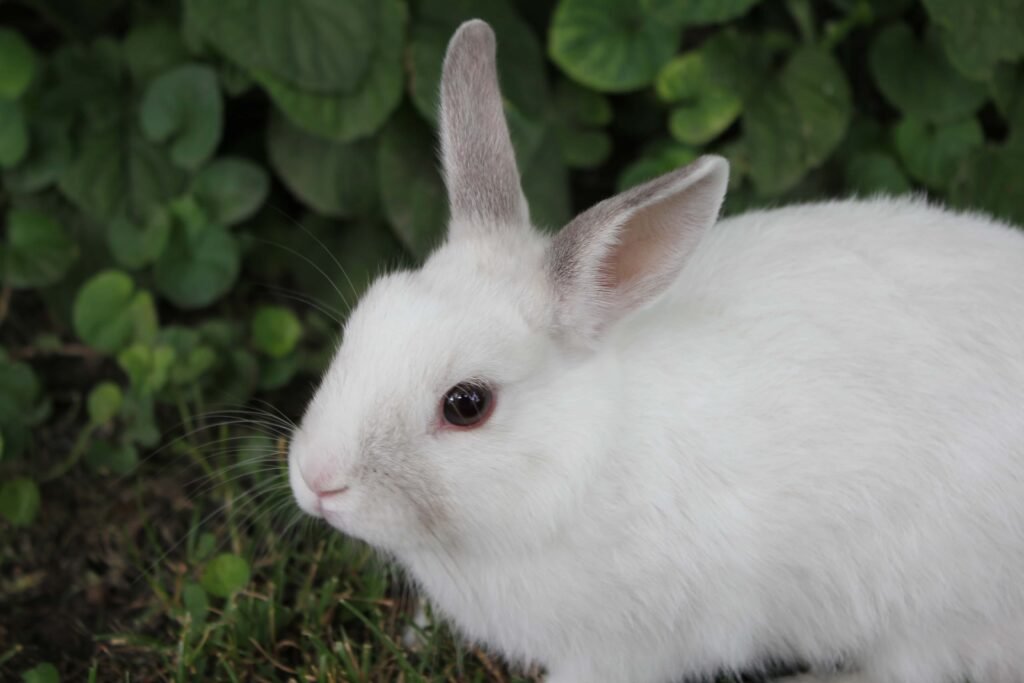
When a rabbit’s ears are erect and twitching, it’s a clear sign of heightened awareness. Your bunny is actively listening, processing sounds, and assessing its surroundings for potential threats or interesting stimuli. This posture often accompanies a curious or investigative demeanor. If the ears are erect and perfectly still, the rabbit is likely focused intensely on something specific, perhaps a new scent, a distant sound, or a person entering the room. They are fully engaged and trying to gather more information.
Conversely, ears that are floppy or flattened against the body generally signal deep relaxation and comfort. This is often seen when a rabbit is “loafing” – sitting with its feet tucked underneath, or fully stretched out on its side. It’s a wonderful indicator that your rabbit feels safe, secure, and content in its environment. On the other hand, ears that are laid back tightly against the head, particularly if accompanied by a tense body, can be a warning sign. This posture often indicates fear, aggression, or anxiety. It’s a signal to approach with caution, as the rabbit may feel threatened and could react defensively.
Feet and Thumps: More Than Just Movement
A rabbit’s feet, while primarily for locomotion, also play a significant role in their communication. One of the most recognizable and impactful rabbit behaviors is thumping – forcefully hitting their hind feet against the ground. This isn’t just a quirky habit; it’s a potent warning signal. A rabbit thumps to alert other rabbits (and you) to a perceived threat, whether it’s a loud noise, a stranger, or something else that has startled them. It’s their way of saying, “Danger!” Beyond alarm, thumping can also communicate profound displeasure or irritation. If you’re doing something your rabbit strongly dislikes, a thump can be their way of vocalizing their annoyance.


The act of kicking can have multiple interpretations. Often, kicking is part of a “binky,” a joyous leap into the air where the rabbit twists its body and kicks out its legs. This playful behavior is a clear sign of extreme happiness and excitement. However, kicking can also be a defensive action if a rabbit feels threatened or is trying to escape a perceived danger. In rare and unfortunate circumstances, uncontrolled paddling movements of the feet can be a symptom of a seizure, which would require immediate veterinary attention.
The Wiggling Nose: A Window to Emotion and Investigation
A rabbit’s nose is incredibly active, and its movements offer subtle yet significant clues about their internal state. The rapid vibration of a rabbit’s nose, known as “nose twitching” or “wiggling,” is primarily for enhancing their sense of smell. However, the speed of these twitches is directly linked to their emotional state.
Rapid twitching of the nose often indicates a rabbit that is highly alert, excited, or potentially stressed. When a rabbit is investigating something new or is feeling anxious, its nose will often twitch at a fast pace as it processes scents and assesses its surroundings. Conversely, a slow twitching nose is a strong indicator of relaxation and contentment. A bunny that is comfortable and at ease will have a gently wiggling nose, often accompanied by a relaxed body posture. If a rabbit’s nose isn’t twitching at all, especially if its chin is tucked in and it appears hunched, it could be a sign of pain, stress, or illness, and warrants closer observation.
Beyond simple twitching, nose nudging is a common and endearing rabbit behavior. Rabbits use their noses to explore and investigate their environment, gently pushing against objects or people to gather information. As Best Friends Animal Society highlights, nose nudging can also be a clear sign of affection. A rabbit nudging your hand or leg may be soliciting attention, asking for pets, or simply expressing its bond with you.
Beyond the Basics: Other Key Body Language Signals
While ears, feet, and nose provide a wealth of information, there are several other crucial body language signals that contribute to understanding rabbit body language comprehensively:
Binkying:
This is perhaps the most obvious sign of a truly happy rabbit. A binky is an exuberant jump into the air, often with a twist of the body and kicks of the feet. It’s a spontaneous burst of joy, signaling pure contentment and excitement.
Flopping: When a rabbit suddenly throws itself onto its side, sometimes with a dramatic flop, it’s called flopping. This is an ultimate sign of relaxation and comfort. It means your rabbit feels completely safe and secure in its environment and is entering a deep state of rest.
Teeth Chattering/Purring: A soft, rhythmic grinding or chattering sound from your rabbit’s teeth is often referred to as “purring.” Similar to a cat’s purr, this is a clear indication of contentment and happiness, often heard during petting sessions. However, loud teeth grinding can signify pain, so it’s important to distinguish between the two based on context and other body language.


- Tucked Up/Quiet:
A rabbit that is hunched with its chin tucked in, appearing small, tense, and unusually quiet, is often a stressed, fearful, or unhappy rabbit. Their nose may not be twitching, and they might seem withdrawn. This posture can also indicate pain or illness, so if you observe these signs, it’s crucial to monitor them closely and seek veterinary advice if they persist.
By taking the time to observe and learn these nuanced aspects of understanding rabbit body language, you’ll unlock a deeper connection with your pet. This knowledge empowers you to respond appropriately to their needs, address their fears, celebrate their joys, and ultimately ensure they lead a fulfilling and healthy life in your care.