


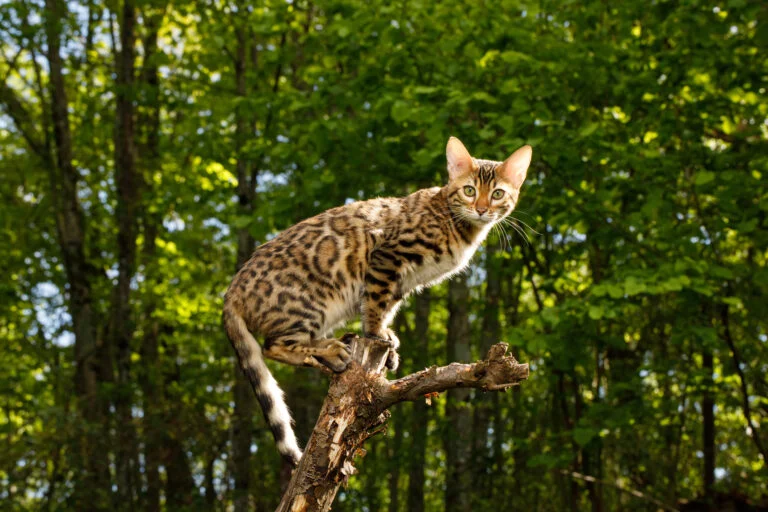
There is a cat that looks like a leopard in the cat breed. The name of the cats with this nickname is bengal cat. These bengal cats are usually large in size. Their size fascinates people. Although well-known, it is convenient to keep them in their natural environment because it is not possible to keep or breed them indoors. These cats look like a small leopard.
Breed:
The bengal cats is a black domestic cat born from the cross of a leopard cat. The bengal cats is an ancient wild cat of southeast Asia. Which is very common among all small Asian felines. In 1963, an Asian leopard cat was cross-bred with a domestic cat. This is the characteristic of the largest cat in Asia.

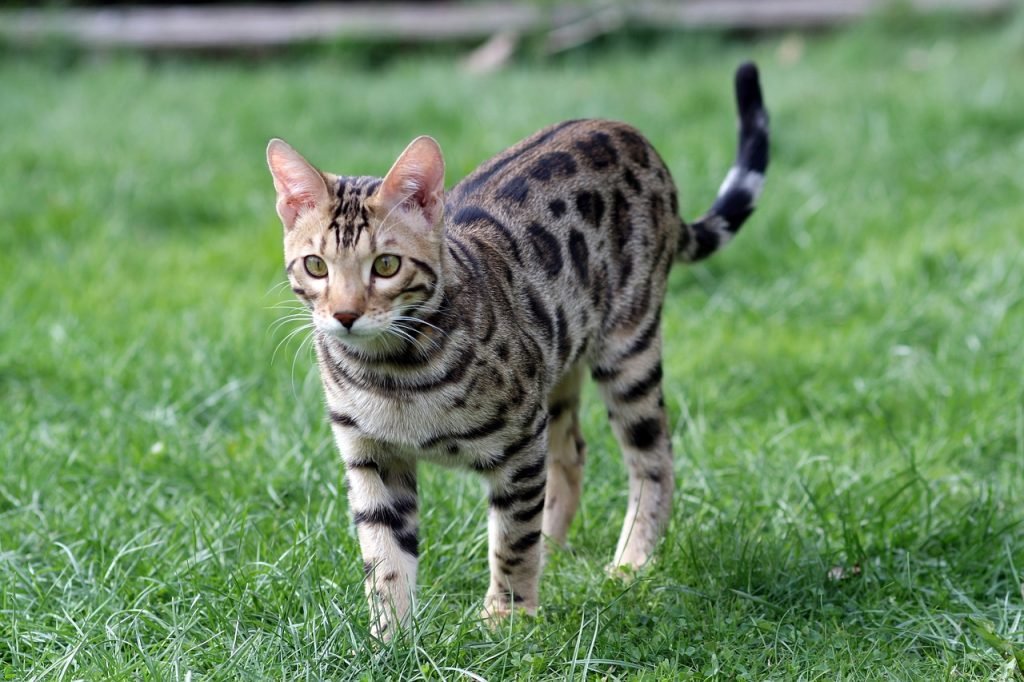
What does it look like?
The bengal leopard coat of the bengal cats is one of the most recognizable features of this cat. The basic colors range from orange to gold or yellow to sand-like colors or again illuminated by golden highlights called glitter. There are two patterns of this coat, one called marble and one called spotted. The eyes, lips, and nose are outlined with black lines, and the tip of their tail is also black. That is why they are called leopards.
Origin:
The bengal cats is a breed of hybrid cat. It is created by crossing the Asian leopard cat with a domestic cat, especially the spotted Egyptian cat. It is usually bred with a breed that can express a friendly personality. Breeders also wanted to see if a domestic cat can be bred with a wild cat and produce friendly kittens. The name of this breed of cat comes from the taxonomic name of the leopard cat.O

Interesting fact:
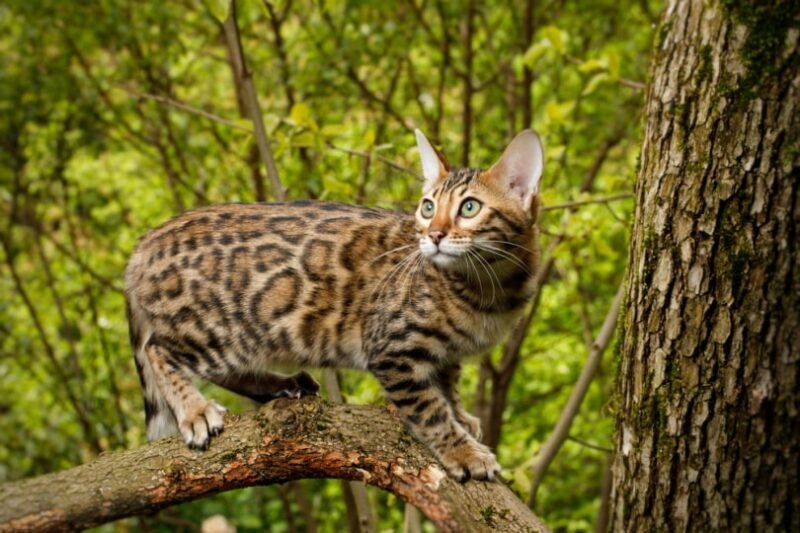
Pictures of bengal cats are often shared on the internet. Television or magazines give pictures of them. Their wild leopard-like spots are very beautiful and charming. If you want to keep them at home, you might think you have a small leopard tiger in your home. In addition to the spotted or pink color features, they inherit some bengal glitter genes. Which makes them shimmer in golden color. This feature makes these bengal cats even more attractive.
Possessing a wild heritage:
Incredibly, these bengal cats have a wild heritage. This heritage came to them due to the cross breeding of domestic cats with Asian leopard cats. Owners get to experience some wild behaviour from them. They prefer to enjoy the forest more than the indoor environment. This is also one of the reasons why they are called leopards.
Intelligence:
These little leopards have extraordinary intelligence. They enjoy learning different tricks. If the owner tells them to sit, they will obey that command if they are given the right trick. They are able to obey without commands like high five. They can easily open drawers, open doors, open cabinets, and even turn on the water tap.

Food requirements are not like ordinary cats:
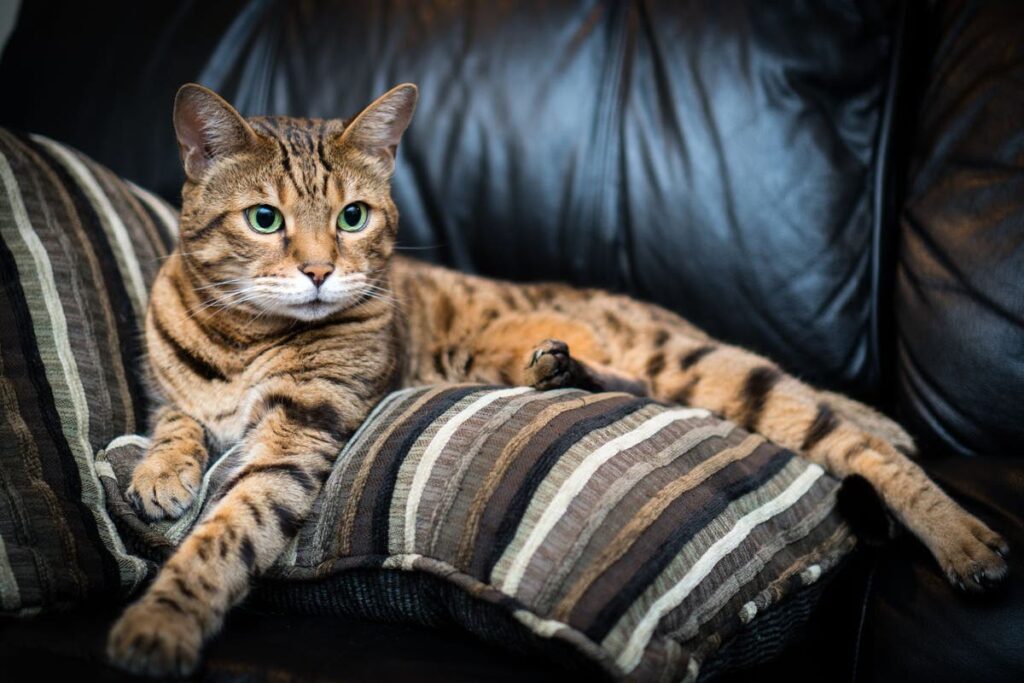
Cats are not carnivores or omnivores. If you observe carefully, you will see that very few cats eat meat or wheat or corn. Separately, low-ingredient foods are available for them. It is better to feed bengal cats raw. They like it as an excellent food. Food containing meat protein helps them maintain their health. They can sometimes have gastric problems. Providing them with high-quality food is very important to avoid these gastric problems.
Conclusion:
Bengal cats are friendly in nature. However, caution is needed here. They can easily mix with people. It is quite natural for them to be more loving or loyal to any member of the family. Bengal cats are more attracted to their owners than any ordinary cat. They need a large space to run, jump, and play. They have a lot of energy in their bodies and they can use their energy by shooting these activities.
But one thing to always keep in mind is that bengal cats are not for everyone. Even many experienced cat owners may not be able to keep this bengal cats at home. That is why they are compared to leopards. If you are thinking of bringing a bengal cats home, you must keep these important things in mind.