


The Foundational Principle: Nutritional Completeness and Balance
Before delving into the intricacies of feeding frequency, it is crucial to underscore the fundamental principle of feline nutrition: the food you offer must be nutritionally complete and balanced. This means it should contain all the essential nutrients – proteins, fats, carbohydrates, vitamins, and minerals – in the correct proportions necessary to support your cat’s life stage and health. Numerous high-quality commercial cat foods, both wet and dry, are formulated to meet these stringent requirements. Consulting with your veterinarian is always advisable to determine the most suitable food for your individual cat’s needs.
The Influence of Age: A Developmental Perspective on Feeding Frequency
A cat’s age is a primary determinant of how often they should be fed. Their nutritional demands and metabolic rates undergo significant transformations as they transition through different life stages.


Kittens (Up to Six Months): Frequent Nourishment for Rapid Growth
During their initial months, kittens experience a period of rapid growth and development. Their tiny bodies require a substantial amount of energy and nutrients to fuel this remarkable transformation. Consequently, kittens up to six months of age typically thrive on more frequent meals throughout the day. Feeding them three times daily ensures a consistent supply of energy to support their high metabolic rate and growth spurts. These frequent, smaller meals also aid in their digestive systems, which are still maturing.
Young Cats (Six Months to One Year): Transitioning to a More Adult Routine
As kittens approach their first birthday, their growth rate gradually slows down. Their digestive systems become more robust, and their energy requirements stabilize somewhat. Between the ages of six months and one year, a transition to twice-daily feeding is generally recommended. This shift aligns with their evolving metabolic needs and prepares them for an adult feeding schedule.
Adult Cats (One to Ten Years): Establishing a Consistent Routine
Once a cat reaches adulthood, typically around one year of age, feeding once or twice a day is appropriate for most healthy individuals. Many cat owners find that two meals a day – one in the morning and one in the evening – best suit their schedules and their cat’s natural feeding patterns. Some cats may do well with a single, larger meal, but splitting the daily allowance into two portions can help prevent them from feeling overly hungry and potentially overeating. Consistency in feeding times is beneficial for establishing a predictable routine and can help regulate their digestive system.
Senior Cats (Ten Years and Older): Maintaining Stability with Potential Adjustments
Senior cats, generally defined as those aged ten years and older, often maintain the same feeding regimen as their adult counterparts, unless otherwise advised by a veterinarian. However, it’s crucial to monitor senior cats closely for any changes in appetite or eating habits. Some older cats may experience dental issues that make chewing dry food difficult, necessitating a switch to wet food or softened dry food. Others may have underlying health conditions that require dietary modifications and adjustments to feeding frequency, as recommended by their veterinarian.
The Impact of Health: Tailoring Feeding to Specific Needs
A cat’s health status can significantly influence how often they should be fed and the type of food they consume. Certain medical conditions necessitate specific dietary management and feeding schedules.

Diabetic Cats: Consistent Meal Timing for Blood Sugar Regulation
Diabetic cats often benefit from a diet that is moderately restricted in carbohydrates to help manage their blood sugar levels. Equally important is the consistency of their feeding schedule. Regular meal times, often coinciding with insulin administration, are crucial for maintaining stable blood glucose levels and preventing dangerous fluctuations. Your veterinarian will provide specific guidance on the appropriate diet and feeding frequency for a diabetic cat.
Cats with Chronic Kidney Disease (CKD): Managing Protein and Phosphorus Intake
Cats with advanced chronic kidney disease typically require a diet that is restricted in protein and phosphorus to help slow the progression of the disease and manage symptoms. The feeding frequency for cats with CKD may vary depending on the individual cat’s needs and preferences, but consistency is still important. Smaller, more frequent meals might be better tolerated by some cats with CKD.
Cats with Periodontal Disease: Addressing Chewing Difficulties
Periodontal disease, a common ailment in cats, can make chewing dry food painful. In such cases, offering wet food, which is softer and easier to consume, or providing dry food in a smaller nugget size or with added water to soften it, can significantly improve their ability to eat comfortably. The feeding frequency itself may not need to change, but the texture and consistency of the food are critical considerations.
The Role of Diet Type: Wet vs. Dry Food and Feeding Strategies
The type of food you choose to feed your cat and the feeding strategy you employ can also influence how often they should eat.
Wet Food:
Wet cat food has a high moisture content (typically 70-80%), which can be beneficial for hydration, especially for cats that don’t drink enough water on their own. Wet food can be fed in addition to or instead of dry food. Some cats find wet food more palatable, but it’s important to be mindful of portion sizes, as overconsumption can lead to weight gain, just as with dry food.
Dry Food:
Dry cat food is convenient and can be left out for longer periods without spoiling. However, it has a lower moisture content than wet food. It is essential to ensure that cats fed primarily dry food have constant access to fresh water, particularly those prone to lower urinary tract disease.
Free-Feeding (Grazing):
Convenience vs. Potential for Overeating
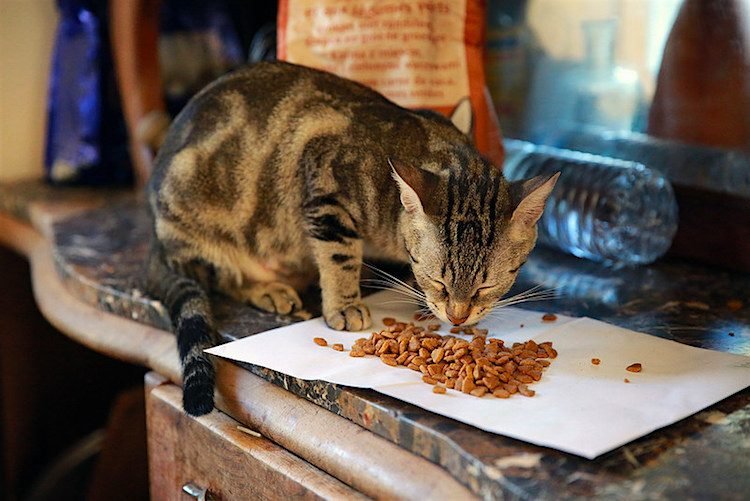
Free-feeding, or keeping dry food available to your cat at all times, can be a convenient option for some owners. Some cats can self-regulate their intake and maintain a healthy weight with this approach. However, for many cats, especially those prone to boredom or food motivation, free-feeding can lead to overeating and subsequent weight gain. It is crucial to monitor your cat’s weight and body condition closely if you choose to free-feed. Any food left out for grazing should be replenished daily to ensure freshness.

Portion Control and Scheduled Meals: Promoting Healthy Eating Habits
For many cats, especially those who tend to overeat, portion-controlled, scheduled meals are the preferred feeding strategy. This allows you to monitor their intake, prevent overconsumption, and establish a predictable routine. Dividing their daily food allowance into one or two meals at consistent times can help regulate their appetite and digestion.
Supplementing Dry Food with Wet Food: Enhancing Palatability
Adding a small amount of wet food to dry food can make meals more appealing to finicky eaters and can also increase their water intake. This combination can provide the benefits of both food types.
Considering Your Schedule: Finding a Balance Between Your Needs and Your Cat’s
Your own daily schedule can also play a role in determining how often you feed your cat. Mornings can be hectic, making evening feeding more convenient. Conversely, if evenings are busy, a morning feeding might be easier to manage consistently. The key is to find a feeding schedule that works for both you and your cat and then stick to it as consistently as possible. Cats thrive on routine, and predictable meal times can contribute to their overall sense of security and well-being.
Managing Multi-Cat Households: Addressing Individual Needs
In households with multiple cats, ensuring that each cat receives the appropriate amount of food and that no one is overeating or being deprived can be a challenge. Some cats may not readily come when called for meals, while others may dominate the food bowl. In such situations, feeding cats separately in different areas of the house or at different times may be necessary to ensure that each cat’s individual nutritional needs are met.
The Critical Importance of Veterinary Guidance: Your Partner in Feline Nutrition
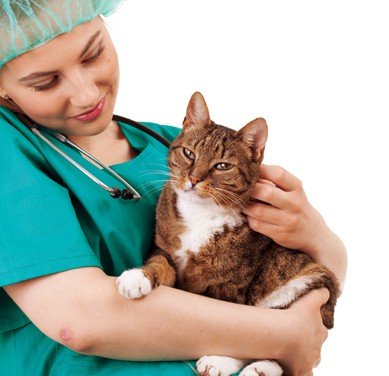
Your veterinarian is an invaluable resource for all aspects of your cat’s health, including nutrition. They can provide personalized recommendations on the best type of food, the appropriate portion sizes, and the optimal feeding frequency based on your cat’s age, breed, health status, and lifestyle. Regular veterinary check-ups are essential for monitoring your cat’s weight and body condition and for identifying any potential nutritional concerns early on.
Obesity: A Grave Health Risk Underscoring Proper Feeding Practices
Obesity is a significant health concern in the feline population, mirroring the trends seen in humans. Overweight and obese cats are at an increased risk of developing a range of serious health problems, including diabetes mellitus, lameness due to joint disease, skin conditions, and a reduced lifespan. Often, owners of obese cats may not even recognize that their cat is overweight. Proper feeding practices, including portion control and scheduled meals, are crucial in preventing and managing feline obesity. Your veterinarian can help you assess your cat’s body condition score and develop a weight management plan if necessary.
Finicky Eaters:
Strategies for Encouraging Healthy Eating Habits
Some cats can be notoriously finicky eaters, which can make establishing a consistent and nutritious feeding routine challenging. Switching foods occasionally can help prevent them from becoming fixated on a single diet. Offering a variety of textures and flavors can also increase their interest in food. However, it’s important to introduce new foods gradually to avoid digestive upset. If your cat is consistently refusing to eat or exhibiting a significant change in appetite, it’s essential to consult with your veterinarian to rule out any underlying medical conditions.

Conclusion: A Personalized Approach to Feline Feeding
In conclusion, the answer to “How Often Should You Feed Your Cat?” is multifaceted and depends on a variety of individual factors. While general guidelines based on age provide a starting point, a cat’s health, dietary needs, and even the owner’s lifestyle must be taken into consideration. Establishing a consistent feeding schedule with nutritionally complete and balanced food, coupled with appropriate portion control, is paramount to ensuring your feline companion’s long-term health and well-being. Regular communication with your veterinarian is essential for tailoring a feeding plan that meets your cat’s unique needs and for addressing any nutritional concerns that may arise throughout their life. By taking a thoughtful and personalized approach to feline feeding, you can contribute significantly to your cat’s happiness and longevity.