


The cat is of a beautiful and quiet nature, so they are very close to humans. However, some of these animals can spread deadly viruses and bacterial diseases. Many times these diseases can be confined to cats, not only to cats but also spread to humans. Therefore, it is important to vaccinate if the cats are to keep the disease away and stay healthy. The cat’s immune system has been weak since birth, and from there, the risk of various infections. Vet vaccination is very important for their health, and you should take care of it.
Immunity for cats is important not only for the protection of their health but also for the protection of other animals and human beings around them. The cats who go out of the house are very much at risk of infection. Especially when it comes to contact with street cats or moving into an impure environment, the virus is easily spread. With regular cats vaccination, the cat’s body develops resistance against the disease. This reduces the chances of getting a serious illness. Cats vaccination is a basic step to keep pets healthy and safe.

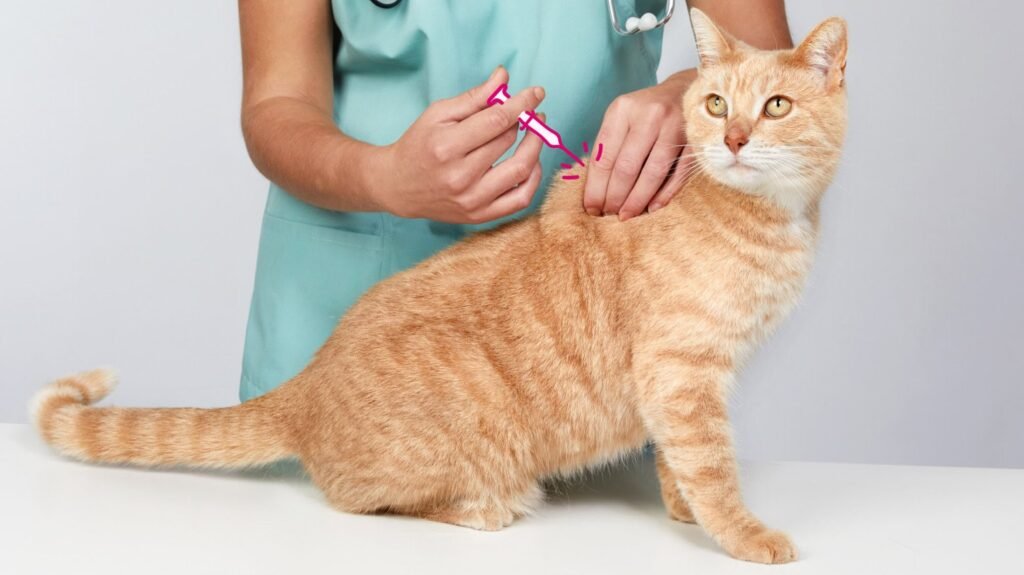
Types and Introduction to the Ticker:
The cat vaccine is mainly divided into two categories: ‘core vaccine’ and ‘non-core vaccine.’ The core vaccine is a vaccine that is essential for all cats, because these vaccines prevent fatal diseases. Such as the FVRCP vaccine, which works against three diseases—feline viral rhinotracheitis, calicivirus, and panleukopenia. In addition, the rabies vaccine is one of the most important, which is legally compulsory in many places in Bangladesh. A non-core vaccine is a vaccine that is given according to the lifestyle, environment, and disease of cats.
Notable among them is the Feline Leukemia Virus (FELV) vaccine, which is usually needed for cats that move in the outside environment. The Bordetella and Chlamydia vaccine is also taken into consideration in certain cases. Each vaccine creates resistance against certain diseases in the cat’s body and many times protects the entire lifetime. However, some vaccines are to be repeated every year or three years, which should be determined according to the advice of the veterinarian.
Cat vaccination schedule (vaccination schedule):
The cat vaccination should be completed in accordance with a specific schedule so that each required vaccine can be applied in a timely manner. In general, the first vaccine begins to be given when the cats age is 3 to 6 weeks. This time the first dose of FVRCP vaccine is given. Then the booster dose is given every 3-5 weeks until the cat age is 5 weeks. That is, the total vaccine may be required three to four times in total.
The rabies vaccine is usually offered at the age of 12 to 6 weeks and is a very important vaccine. After the completion of these vaccines in the first year, the veterinarian decides which vaccines should be given every year and which one should be given every three years. For example, many rabies vaccinations are three years, but some vaccines have to be given every year. Also, some vaccines, such as FeLV, may require renewal once a year. It is very important to keep a vaccine record to ensure timely immunization.

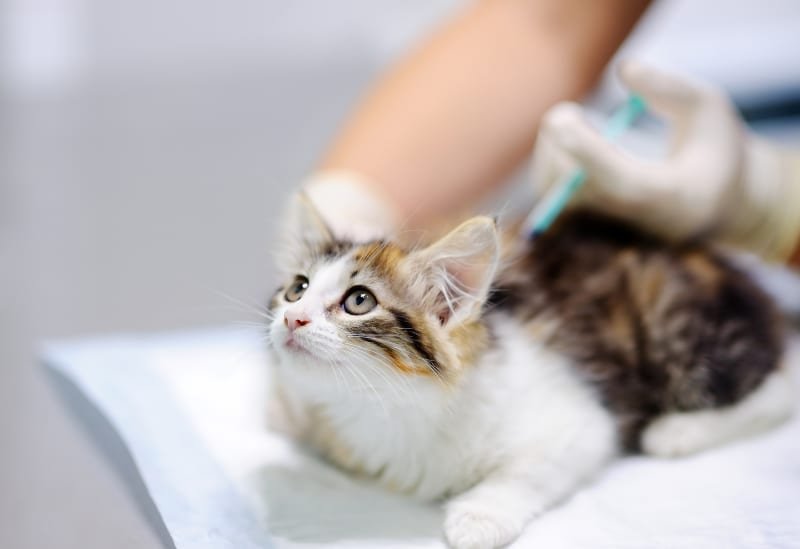
Next, care and side effects of cat vaccination:
After vaccination, cats can usually experience some common reactions, which are very normal and temporary. Such as light pain or swelling in place of injection, a little fever, reduction of eating interests, fatigue, etc. These symptoms become normal within a day or two. However, in some cases the cats body may have allergic reactions, such as sudden breathing, vomiting, rash in the body, or abnormal weakness. If these appear, the veterinarian should seek refuge immediately.
After taking the vaccine, the cat has to be kept in a stress-free and clean environment. So that he can rest and the body’s prevention system can work properly. The day of vaccination should be kept for the extra game or going out. Many times the veterinarian keeps some time in the cats observation after the vaccine so that immediate action can be taken immediately. After the vaccine, the cats behavior should be noticed immediately after the change in the behavior of the doctor.
Conscious Ownership and Regular Treatment:
It is very important to be aware of the cat vaccination schedule as a responsible cat owner. Many people think the vaccine is unnecessary or forget it, which can be fatal for cats. This is why a vaccine card or record book should be kept, where each vaccine is mentioned with the name, date, and subsequent dose. Digital reminders are also available from many clinics.

Conclusion:
At least once a year, the cat should be taken to the veterinarian for a full health test. Not only the vaccine, but also the weight, the tooth condition, the eyes, and other physical checkups. This will be diagnosed with the inadvertently hidden illness in advance, and it will also be possible to treat quickly. Once the vaccine does not end, the responsibility does not end, but the effectiveness of the previous vaccine can be reduced if not given at each booster dose on time. So regular care and cat vaccination at the right time are the keys to keeping a healthy cat.