


Chinchilla’s stress and anxiety: We all know the animal called chinchilla’s more or less in this world. They mainly live in the Andes Mountains of South America. They are very gentle in nature. Due to their very gentle nature, they cannot easily accept minor changes in the environment, as a result of which they become stressed. They take a long time to introduce themselves to excessive noise and light and unfamiliar environments. Due to this, their normal behavior changes. When they gradually become stressed, they show irregularities in their food intake, they start chewing abnormally or they tear their own skin. However, another thing to keep in mind is that if they are stressed for a long time, it is very harmful to their interests. Therefore, if you want to keep a chinchilla as a pet, it is very important to control its stress and anxiety.
Sensitive nature of chinchillas:
Chinchilla’s stress and anxiety arises from their sensitive nature. These animals are generally very cautious. You will be surprised to hear that these animals cannot easily accept small changes in the environment and unfamiliar places. Their ears and eyes are extremely sensitive, so they are scared by various loud noises and sudden lights. In such situations, they gradually hide or show restless behavior.

Common causes of stress or anxiety:
There are several reasons behind chinchilla’s stress and anxiety. For example, if the cage or any of their habitats is suddenly changed, then they show restless behavior. Again, they cannot adapt to places where there is excessive crowding or people. Various loud noises make them restless and many times they are seen to suffer from stress due to temperature changes or excessive heat. Another reason is that if they are ever left alone for a long time, they suffer from stress.
Physical signs of stress:
When chinchilla’s are stressed, their body postures and behaviors gradually change. If you notice, you can see that their body weight suddenly decreases and their appetite decreases. At this time, they are seen to be abnormally searching for their own teeth and at the same time, they pull out their own fur. Sometimes they show their restlessness by breathing frequently and sometimes they are seen to suddenly hide. So it is cleared that chinchilla’s stress and anxiety issue indicates with some particular signal.
Behavioral changes:
When under stress, these chinchilla’s animals abnormally lose their playfulness or curiosity. Usually, they look for secluded places where there are not many people. Once they enter a secluded place, they do not want to come out. If you observe very strangely, you can see that they can sometimes become aggressive. At that time, they may suddenly bite anything in front of them or may have a tendency to jump and run away.
Prevention and Solution:
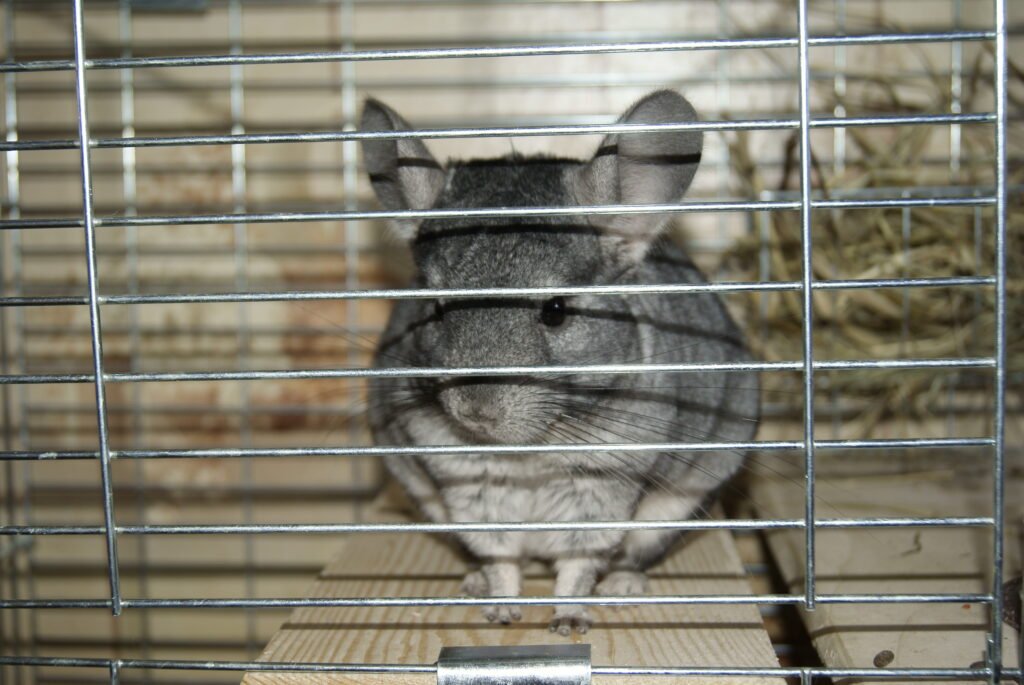
Chinchilla’s stress and anxiety can cause their physical deterioration. For this reason, to keep these animals free from mental stress, the pet owner must follow some rules. The most important of them is to always keep them in a calm and quiet environment and to always keep their cage clean and comfortable. They should be fed at specific times and, very interestingly, they should be given the opportunity to play with small toys. Loud noises should not be made in front of them at all and they should be kept away from light. In this way, they should gradually build a relationship of trust with the owner. As a result, if such measures are taken, these animals will be much less stressed.

Conclusion:
This kind of chinchilla’s stress and anxiety is an important issue that should not be ignored at all. As you know, these animals are naturally gentle and very sensitive, so they have a little trouble adapting to any environment. Food, environment, social interaction and security – everything affects their mental health. Proper care, love and a calm environment can keep chinchillas stress-free. Therefore, pet lovers should observe their every behavior carefully and take quick action if they show signs of stress.