


The question of “Are Ferrets Good Pets?” is one that necessitates a nuanced and comprehensive exploration, moving beyond simplistic yes or no answers. Ferrets, with their elongated bodies, masked faces, and boundless curiosity, have carved a unique niche in the realm of domestic companions. They possess a captivating blend of playful energy, surprising intelligence, and undeniable charm, which has endeared them to a dedicated group of enthusiasts worldwide. However, their distinctive nature also presents a set of responsibilities and considerations that potential owners must carefully evaluate before welcoming these captivating creatures into their homes. To truly answer the question of whether ferrets make good pets, we must delve into the multifaceted aspects of their care, behavior, and compatibility with various lifestyles.

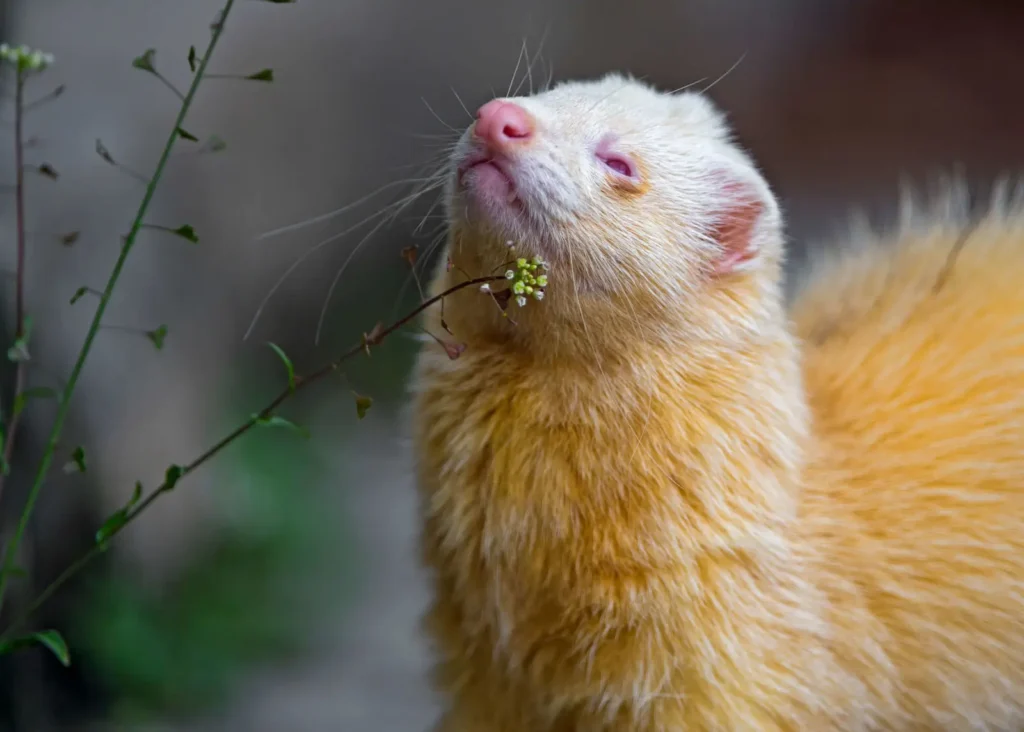
The Allure of the Ferret: Unpacking the “Pros” of Ownership
The positive attributes of ferret ownership are numerous and often deeply rewarding for those prepared to meet their specific needs. Their playful and engaging nature is perhaps one of their most immediately apparent and endearing qualities. Ferrets are veritable bundles of energy, delighting in exploring their surroundings with an infectious enthusiasm. Their characteristic “weasel war dance,” a series of comical hops, twists, and backward scurrying, is a testament to their joyful spirit and provides endless entertainment for their human companions. This inherent playfulness translates into interactive fun, as ferrets readily engage with toys, chase laser pointers (with caution to avoid frustration), and even enjoy games of hide-and-seek. Their boundless energy can be a significant source of amusement and companionship, particularly for individuals who appreciate an active and engaging pet.
Beyond their playful antics, ferrets are surprisingly social creatures. While they are often perceived as independent, they thrive on interaction, both with their own kind and with their human families. They can form strong bonds with their owners, exhibiting affection through playful nips, gentle licks, and contented snuggling. Keeping ferrets in pairs or small groups is generally recommended, as they benefit greatly from the companionship of their own species, engaging in playful wrestling, grooming each other, and sharing sleeping spaces. This social nature can make them particularly appealing to individuals who desire a pet that actively seeks interaction and forms close bonds.
The potential for litterbox training is another significant advantage for ferret owners. While they may not achieve the same level of consistent reliability as cats, ferrets can be trained to use a designated litter box. This contributes significantly to maintaining a clean and hygienic living environment. However, it’s crucial to understand that ferret litter training requires patience, consistency, and the use of appropriate litter types (avoiding clay-based litters that can cause respiratory issues). Multiple litter boxes strategically placed throughout their living area are often necessary, as ferrets tend to eliminate in corners.
Ferrets also possess a notable degree of intelligence and curiosity. They are quick learners and can be trained to perform simple tricks, such as coming when called or navigating obstacle courses. Their inquisitive nature drives them to explore every nook and cranny of their environment, often leading to amusing discoveries and occasional mischief. Providing them with a stimulating environment filled with toys, tunnels, and climbing opportunities is essential to cater to their intellectual and physical needs. This intelligence and curiosity make them engaging pets that can continuously surprise and entertain their owners.
Furthermore, their relatively small size can be an advantage for those living in apartments or smaller houses. While they require spacious and well-equipped cages for when they are unsupervised, their overall footprint is smaller compared to dogs or larger cats. This can make them a more feasible pet option for individuals with limited living space. However, it’s crucial to remember that despite their size, they still require ample out-of-cage playtime and exploration in a safe and ferret-proofed environment.


The Demands of Ferret Ownership: Navigating the “Cons”
Despite their many endearing qualities, ferret ownership comes with a significant set of responsibilities and potential drawbacks that must be carefully considered. Their “high needs” are a primary factor, requiring a substantial commitment of time, energy, and resources from their owners.
Ferrets demand a considerable amount of daily attention. They are not pets that can be left alone for extended periods without interaction and enrichment. Daily playtime is crucial for their physical and mental well-being. This playtime should involve active engagement with their owners, providing opportunities for them to run, explore, and interact with toys. Neglecting their social and activity needs can lead to boredom, destructive behaviors, and even depression.
The potential for messiness is another significant consideration. While they can be litter trained, ferrets are not always meticulous in their habits. They may occasionally miss the litter box, and their tendency to stash food and other items in hidden corners can contribute to a less-than-pristine environment. Additionally, ferrets possess a distinct musky scent produced by their anal glands and skin. While routine cleaning of their cage and bedding can help mitigate this odor, it is a natural characteristic of ferrets that some individuals may find objectionable. Regular bathing can also help, but over-bathing can strip their skin of essential oils and exacerbate the scent.
Their natural curiosity and intelligence can also translate into destructive potential. Ferrets have a penchant for chewing on things, particularly soft plastics, foam, and rubber. This exploratory behavior can lead to damaged household items and, more importantly, pose a serious health risk if they ingest non-digestible materials. Thorough ferret-proofing of the home is absolutely essential before allowing them to roam freely. This includes securing electrical cords, blocking access to small spaces where they could get stuck, and removing any potentially hazardous materials.
Ferrets have specific dietary needs that must be met to ensure their health and longevity. They are obligate carnivores, meaning their diet must be primarily meat-based with a high protein and fat content and low fiber. Commercial ferret foods are formulated to meet these specific nutritional requirements. Feeding them cat or dog food is not appropriate and can lead to serious health problems. This specialized diet can often be more expensive than standard cat or dog food, adding to the overall cost of ownership.
Ferrets are also prone to certain health issues, with adrenal gland disease being a particularly common and significant concern. This condition can lead to a range of symptoms, including hair loss, skin irritation, aggression, and difficulty urinating. Other common health problems in ferrets include insulinoma (a tumor of the pancreas), dental disease, and heart conditions. These potential health issues can necessitate frequent veterinary visits and potentially expensive treatments, adding to the financial responsibilities of ferret ownership.
The limited availability of veterinarians experienced in treating ferrets can be a significant challenge for owners in some areas. Not all veterinary clinics have the expertise and equipment necessary to properly diagnose and treat ferret-specific health problems. Finding a knowledgeable and experienced ferret veterinarian is crucial for ensuring the well-being of your pet. This may require research and potentially traveling to a specialized exotic animal veterinarian.
As mentioned earlier, ferrets have significant social needs and ideally should be kept in pairs or groups. A single ferret, especially if left alone for long periods, may become lonely, bored, and even depressed. Providing them with a companion of their own species can greatly enhance their quality of life, allowing them to engage in natural ferret behaviors and providing them with constant interaction. Keeping multiple ferrets, however, also increases the financial and time commitment required for their care.
Finally, the combination of their high needs, potential for mess, destructive tendencies, and specific dietary and health requirements means that ferrets may not be suitable pets for all households. Individuals with busy schedules, limited time for interaction, or those who are particularly fastidious about cleanliness may find the demands of ferret ownership overwhelming. Families with very young children or other pets that may not be compatible with ferrets also need to carefully consider the potential risks and challenges.


Conclusion: Weighing the Scales of Ferret Ownership
In conclusion, “Are Ferrets Good Pets?” is a question that can only be answered on an individual basis, taking into account the prospective owner’s lifestyle, resources, and willingness to commit to the specific needs of these unique animals. Ferrets offer a wealth of joy and companionship to those who are prepared to embrace their playful nature, meet their social needs, and manage their inherent quirks. Their intelligence, curiosity, and affectionate personalities can forge strong bonds with their human families, providing years of entertainment and love.
However, the responsibilities associated with ferret ownership are significant. Their high need for attention, potential for mess and destruction, specialized dietary requirements, and susceptibility to certain health issues demand a considerable investment of time, energy, and financial resources. Finding a knowledgeable veterinarian and ensuring they have adequate social interaction are also crucial aspects of responsible ferret ownership.
Ultimately, the decision of whether or not ferrets make good pets hinges on a thorough understanding of their needs and a realistic assessment of one’s ability to meet those needs. For individuals who are prepared to dedicate the time, effort, and resources required, ferrets can be incredibly rewarding and engaging companions. However, for those who are unable or unwilling to meet these demands, other pets may be a more suitable choice. The key lies in responsible pet ownership, ensuring that the chosen animal’s well-being is always the top priority.