
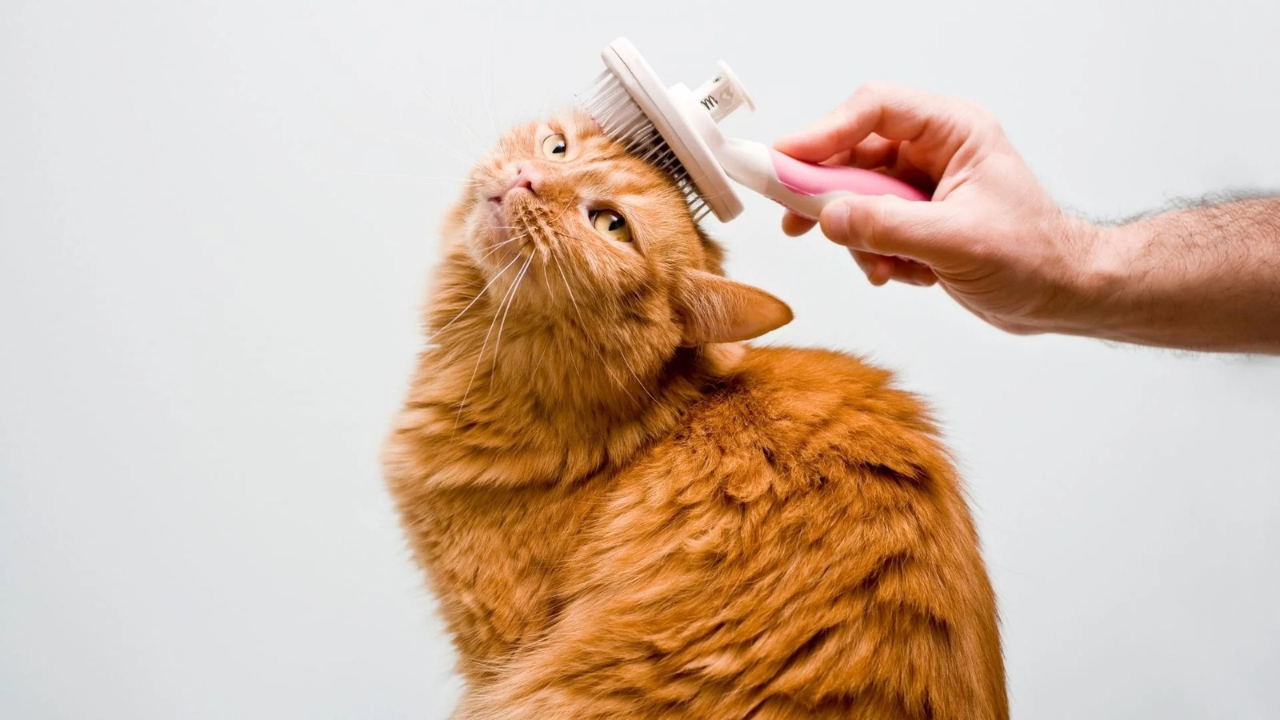
The question of “How to Groom Your Cat at Home” encompasses a range of essential practices that contribute significantly to a feline’s overall health, well-being, and aesthetic appeal. While cats are renowned for their meticulous self-grooming habits, these natural instincts are often insufficient to maintain optimal hygiene and prevent various health issues. Therefore, understanding and implementing a consistent at-home grooming routine is a vital responsibility for every cat owner. This routine typically includes four key components: regular brushing, occasional bathing, routine nail trimming, and periodic ear cleaning. Each of these practices serves a unique purpose in ensuring your cat remains comfortable, healthy, and free from potential problems. Mastering the techniques and understanding the importance of each step will not only enhance your bond with your feline companion but also contribute to their long-term health and happiness.
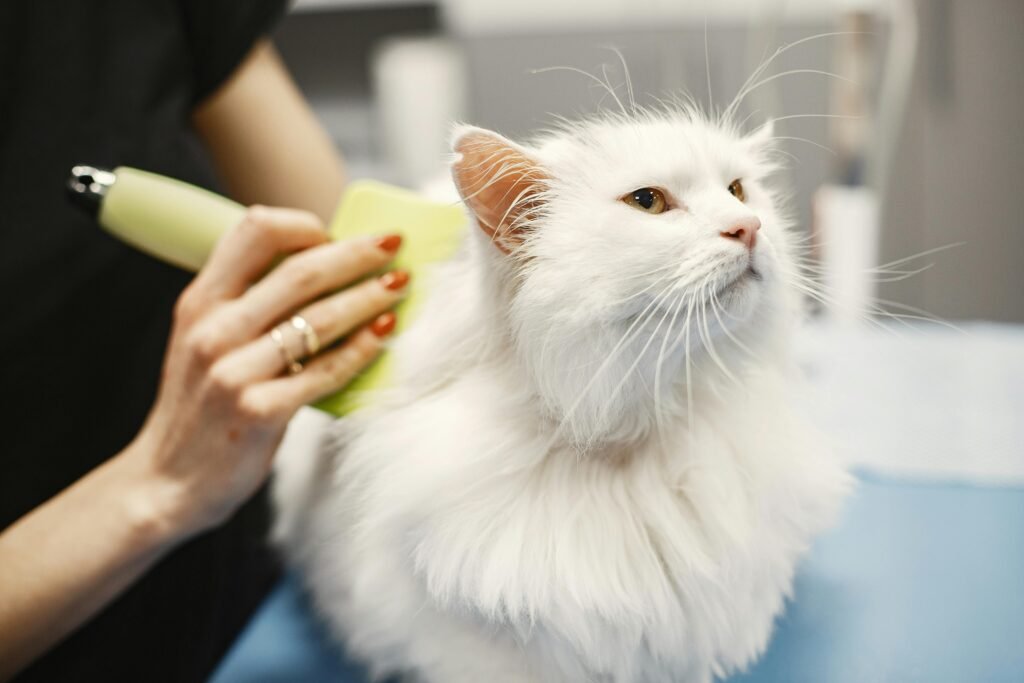
One of the foundational aspects of “How to Groom Your Cat at Home” is regular brushing. This seemingly simple act offers a multitude of benefits for your cat. The frequency of brushing largely depends on your cat’s fur type. For most cats, brushing once or twice a week is generally sufficient to remove loose fur and prevent the formation of mats, particularly in long-haired breeds, which are more prone to tangles. Short-haired cats also benefit from regular brushing as it helps to minimize shedding around the house. The technique employed during brushing is also crucial. It is recommended to use a brush that is specifically designed for your cat’s fur type. Slicker brushes, with their fine wire bristles, are often effective for removing loose undercoat in short-haired cats. For long-haired cats, a wide-toothed comb or a specialized de-shedding tool can be more effective in working through the longer fur and preventing mats. Regardless of the brush type, it is essential to brush in the direction of the hair growth to avoid pulling or causing discomfort to your cat. The purpose of brushing extends beyond simply removing loose fur. It also stimulates blood circulation in the skin, which promotes a healthy coat and can help to distribute natural oils, leading to a shinier and healthier appearance. Furthermore, regular brushing can significantly reduce the amount of hair your cat ingests during their own grooming, thereby minimizing the formation of hairballs, a common and sometimes uncomfortable issue for cats.
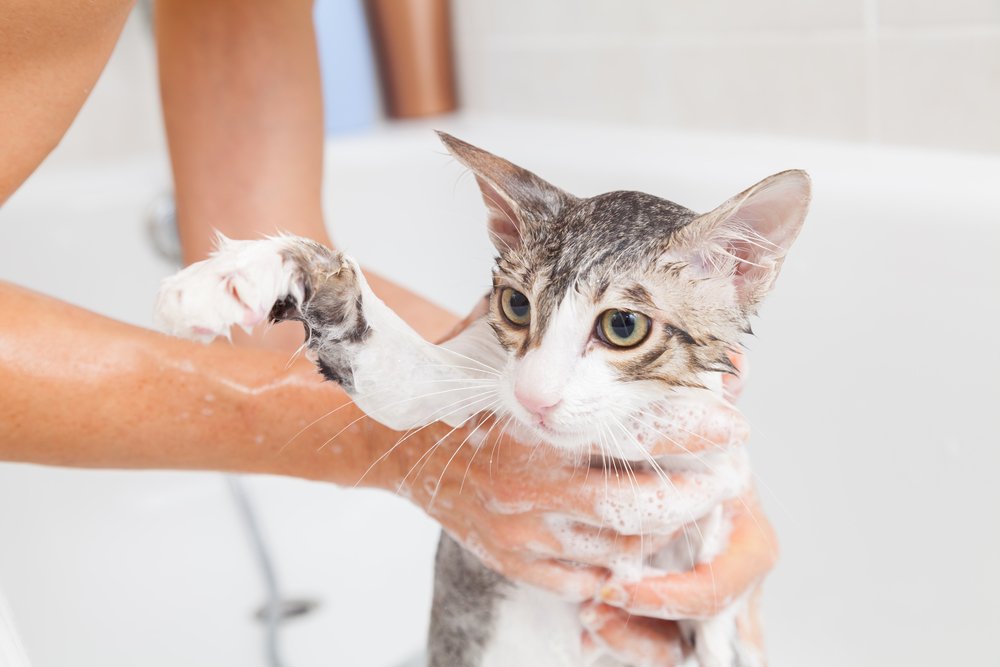
While cats are generally adept at keeping themselves clean, bathing is another important aspect of “How to Groom Your Cat at Home,” although the frequency required is considerably less than brushing. Most indoor cats will only need a bath every four to six weeks, or even less frequently, unless they get particularly dirty or have a specific skin condition that necessitates more regular washing. Over-bathing can strip your cat’s coat of its natural oils, leading to dryness and potential skin irritation. When bathing your cat, it is crucial to use a shampoo that is specifically formulated for cats. Human shampoos can be too harsh and may disrupt the delicate pH balance of a cat’s skin. The bathing technique requires patience and care. It is advisable to wet your cat’s fur thoroughly with lukewarm water, avoiding the eyes, nose, and ears to prevent irritation and potential infections. Gently apply the cat-specific shampoo and lather it through their coat, ensuring to clean all areas. Rinse thoroughly with lukewarm water until all traces of shampoo are gone. Drying your cat can be done with a soft towel, and some cats may tolerate a low-heat blow dryer, but it’s essential to introduce this gradually and ensure they are comfortable with the noise and airflow. The purpose of bathing is to remove dirt, debris, and any potential allergens from your cat’s coat, helping to keep them clean and healthy. In some cases, medicated shampoos prescribed by a veterinarian may be necessary to treat specific skin conditions. While some cats may find bathing stressful, a calm and gentle approach can help to minimize their anxiety.
Nail trimming is a critical component of “How to Groom Your Cat at Home” that benefits both your cat and your household furnishings. Regularly trimming your cat’s nails, typically every two to three weeks, helps to prevent them from becoming overgrown, which can lead to discomfort or even ingrown nails. Furthermore, it significantly reduces the likelihood of your cat scratching furniture, carpets, or even people. The technique for nail trimming involves using cat-specific nail clippers, which are designed with a curved blade suitable for a cat’s claw. It is essential to only trim the very tip of the nail, avoiding the “quick,” which is the pink area containing blood vessels and nerves. Cutting the quick will cause pain and bleeding. If you are unsure where the quick is, it is always better to trim less rather than more. For cats with dark nails, it can be helpful to look at the underside of the nail, where the quick is usually visible as a whitish or pinkish area. It’s best to introduce nail trimming gradually, starting with just one or two nails at a time and rewarding your cat with treats and praise. Making it a positive experience from a young age can make the process much easier in the long run. The purpose of nail trimming is to maintain healthy paws, prevent accidental scratches, and protect your home from potential damage.
The final key element of “How to Groom Your Cat at Home” is regular ear cleaning. While cats generally have relatively clean ears, periodic checks and cleaning can help to prevent the buildup of wax, dirt, and debris, which can lead to ear infections. The frequency of ear cleaning depends on the individual cat, but generally, cleaning every one to two weeks is sufficient for most cats. Cats with a history of ear infections or those who produce more earwax may require more frequent cleaning. The technique for ear cleaning involves using a pet-specific ear cleaner, which is formulated to be gentle and safe for a cat’s ears. Never use human ear cleaners or cotton swabs to probe inside the ear canal, as this can push debris further in and potentially damage the eardrum. Instead, apply a small amount of the ear cleaner to a cotton ball or a soft tissue. Gently clean the outer visible part of the ear and the folds of the ear. If you notice excessive wax, redness, discharge, or if your cat is scratching their ears frequently or shaking their head, it is important to consult with your veterinarian, as these could be signs of an ear infection or other underlying issue. The purpose of ear cleaning is to maintain healthy ears and prevent potential infections, ensuring your cat’s comfort and well-being.

In conclusion, understanding “How to Groom Your Cat at Home” involves recognizing the importance and proper techniques for brushing, bathing, nail trimming, and ear cleaning. Each of these grooming practices plays a vital role in maintaining your cat’s physical health, comfort, and appearance. By establishing a regular and gentle grooming routine, you can not only prevent potential health problems and keep your cat looking their best but also strengthen the bond you share with your feline companion. Patience, positive reinforcement, and using the right tools are key to making at-home grooming a positive experience for both you and your cat.