
Bringing a new puppy into your home is an incredibly rewarding experience, filled with playful antics and the promise of a lifelong bond. However, one of the initial and most crucial tasks that every new puppy parent faces is housebreaking, or potty training. The desire for a clean and accident-free home often leads to the question: “How to Potty Train a Puppy Fast?” While the exact timeline for successful potty training can vary depending on the individual puppy’s age, breed, personality, and previous experiences, there are proven strategies and consistent techniques that can significantly accelerate the process and set both you and your furry friend up for success. This comprehensive guide will delve into a step-by-step approach to effective and rapid puppy potty training, emphasizing the importance of establishing a predictable routine, utilizing positive reinforcement, understanding the role of puppy pads, and maintaining patience and consistency throughout the training journey. By implementing these strategies diligently, you can significantly expedite the housebreaking process and enjoy a well-trained and accident-free home sooner rather than later.
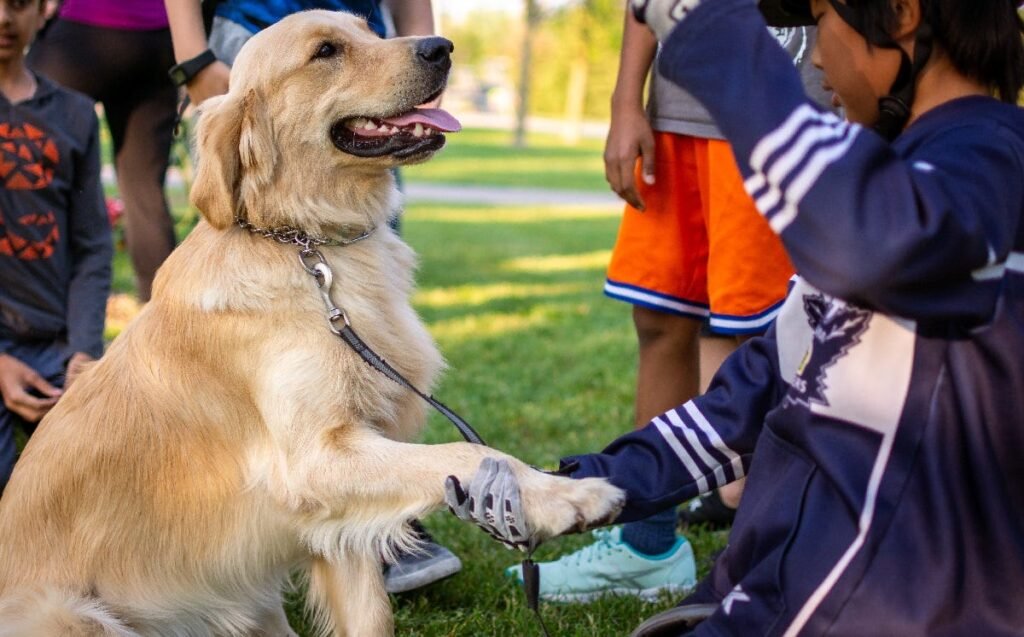
The foundation of rapid and effective puppy potty training lies in establishing a consistent and predictable schedule for all aspects of your puppy’s daily routine, particularly feeding and bathroom breaks. Puppies, especially those under eight weeks of age, have limited bladder control and a higher frequency of needing to eliminate. As a general guideline, very young puppies should be taken outside to their designated potty spot every one to two hours, as well as immediately upon waking up from naps, after playing, and shortly after eating and drinking. This high frequency of outdoor trips is essential in the early stages to minimize the likelihood of indoor accidents and to provide ample opportunities for your puppy to eliminate in the desired location. As your puppy matures and gains better bladder control, the intervals between potty breaks can gradually be extended.
Implementing a consistent feeding schedule is equally crucial for accelerating potty training. It is generally recommended to feed puppies three meals a day at roughly the same times each day. This predictability in food intake helps to regulate their digestive system and allows you to anticipate when they will likely need to eliminate. Typically, puppies will need to go potty shortly after eating, so taking them outside approximately 15 to 30 minutes after each meal is a key component of a fast and effective training regimen. Consistency in the timing of meals and subsequent potty breaks helps your puppy develop a regular elimination pattern, making it easier for them to understand when and where they are expected to go.
To further enhance the speed and effectiveness of potty training, it is highly beneficial to pair each potty break with a consistent verbal cue. Choose a simple word or phrase, such as “potty,” “bathroom,” or “go pee,” and use it every single time you take your puppy to their designated outdoor elimination area. As your puppy begins to associate this verbal cue with the act of elimination and the subsequent relief, you can eventually use the cue to prompt them to go potty on command. Consistency in using the chosen cue is paramount for your puppy to make this association quickly and reliably.
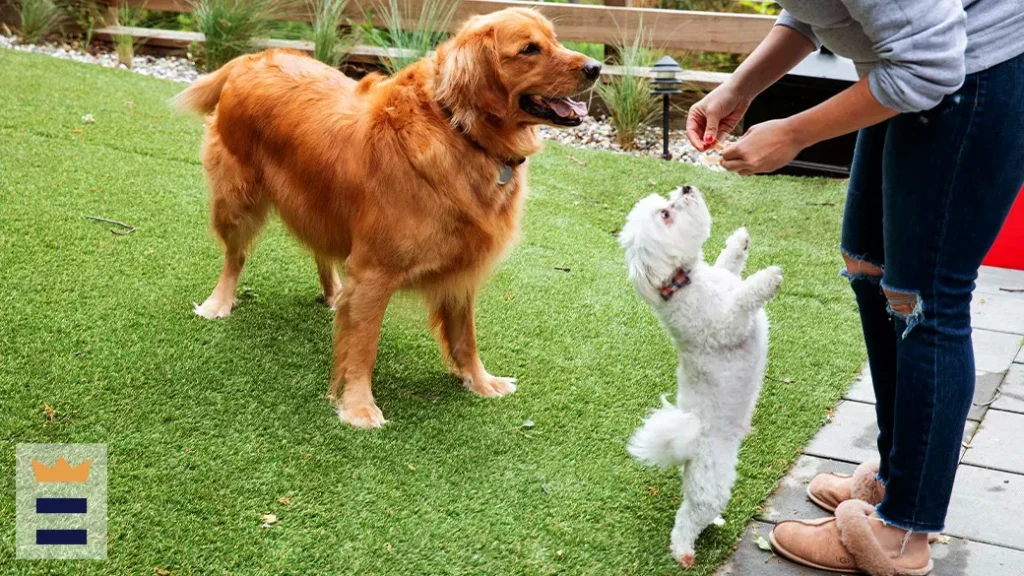
Positive reinforcement is the cornerstone of all successful puppy training, and potty training is no exception. When your puppy eliminates in the designated outdoor spot, it is essential to immediately reward them with enthusiastic praise, a small, high-value treat, or a combination of both. This positive reinforcement creates a strong association in your puppy’s mind between going potty in the correct place and receiving something they enjoy. The immediacy of the reward is crucial; it should be given within a few seconds of the desired behavior to ensure that your puppy understands what they are being praised for. Consistent and enthusiastic positive reinforcement will significantly accelerate the learning process and motivate your puppy to repeat the desired behavior.
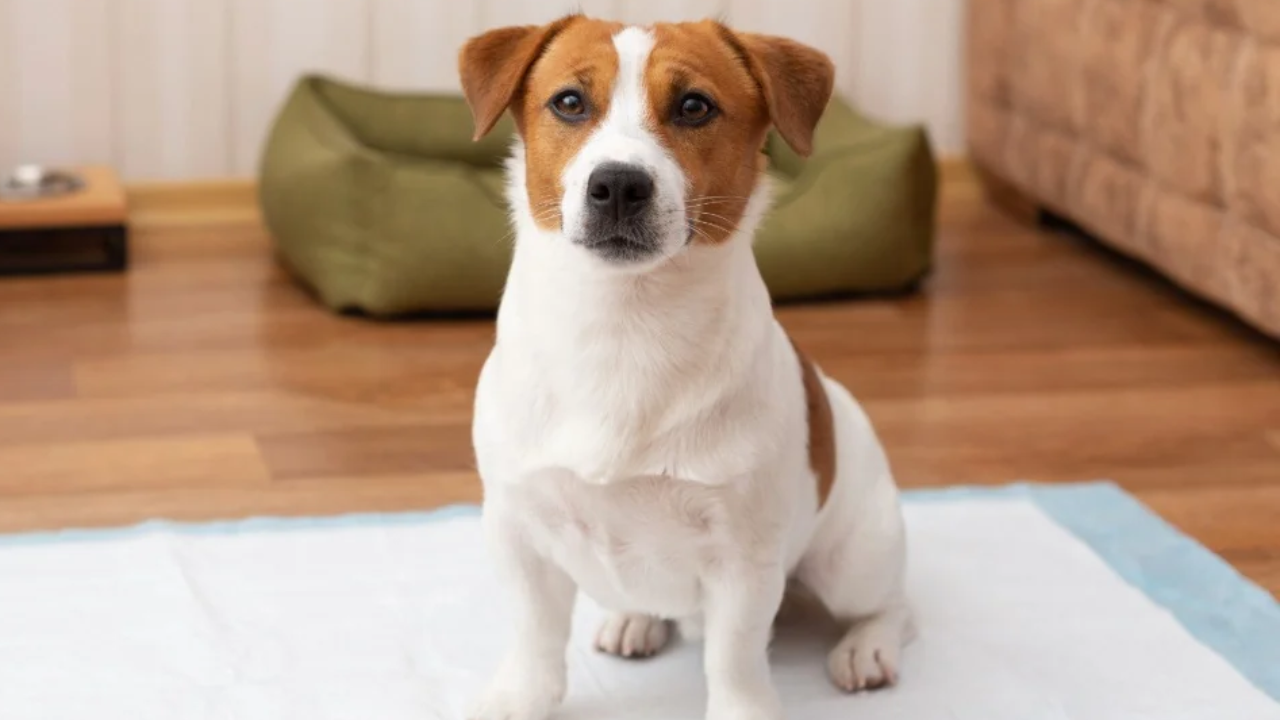
Puppy pads can be a valuable tool in the early stages of potty training, particularly when you are still establishing a consistent outdoor routine and your puppy’s bladder control is still developing. High-quality, absorbent, and odor-eliminating puppy pads can serve as a designated indoor spot for your puppy to eliminate when you are unable to take them outside immediately. Placing the puppy pads in a visible and easily accessible location, such as near the back door that you intend to use for outdoor potty breaks, can help your puppy begin to understand the concept of a designated elimination area. If you are unable to get your puppy outside in time, a puppy pad provides a convenient and less messy alternative to accidents on your floors.
While puppy pads can be helpful initially, the ultimate goal of fast and effective potty training is for your puppy to eliminate outdoors. As your puppy becomes more accustomed to going potty on the pads, you can gradually begin to transition them to outdoor elimination. One effective strategy is to start moving the puppy pad closer to the designated outdoor door, eventually placing it just outside the door. Over time, you can then eliminate the use of the puppy pad altogether, relying solely on outdoor potty breaks. It is important to avoid making the puppy pad the long-term solution, as this can confuse your puppy about the desired elimination location. The pads should primarily serve as a temporary aid during the initial learning phase.
Supervision is another critical element of fast and successful potty training. By closely supervising your puppy when they are indoors, you can learn to recognize the early signs that they need to go potty, such as circling, sniffing the ground, or restlessness. Recognizing these pre-elimination cues allows you to promptly take your puppy outside to their designated spot before an accident occurs inside. Consistent supervision also enables you to interrupt any indoor elimination attempts and immediately redirect your puppy outside. This proactive approach minimizes indoor accidents and reinforces the expectation that potty breaks occur outdoors.
Accidents are an inevitable part of the puppy potty training process, especially in the early stages. When an accident does happen inside, it is crucial to avoid scolding or punishing your puppy. Punishment can create fear and anxiety, potentially hindering the training process and damaging your bond with your puppy. Instead, simply clean up the accident thoroughly with an enzymatic cleaner specifically designed to eliminate pet odors. These cleaners are essential because the scent of urine can linger and attract your puppy to eliminate in the same spot again. Focus on preventing future accidents by adhering more diligently to your schedule and increasing supervision.
Consistency is the golden rule of all effective training, and potty training is no exception. Everyone in the household must be on board with the training plan, using the same verbal cues, taking the puppy out at consistent intervals, and providing positive reinforcement immediately after successful outdoor elimination. Inconsistency in the training approach can confuse your puppy and significantly slow down the learning process. A unified and consistent effort from all family members will contribute significantly to faster and more successful potty training.
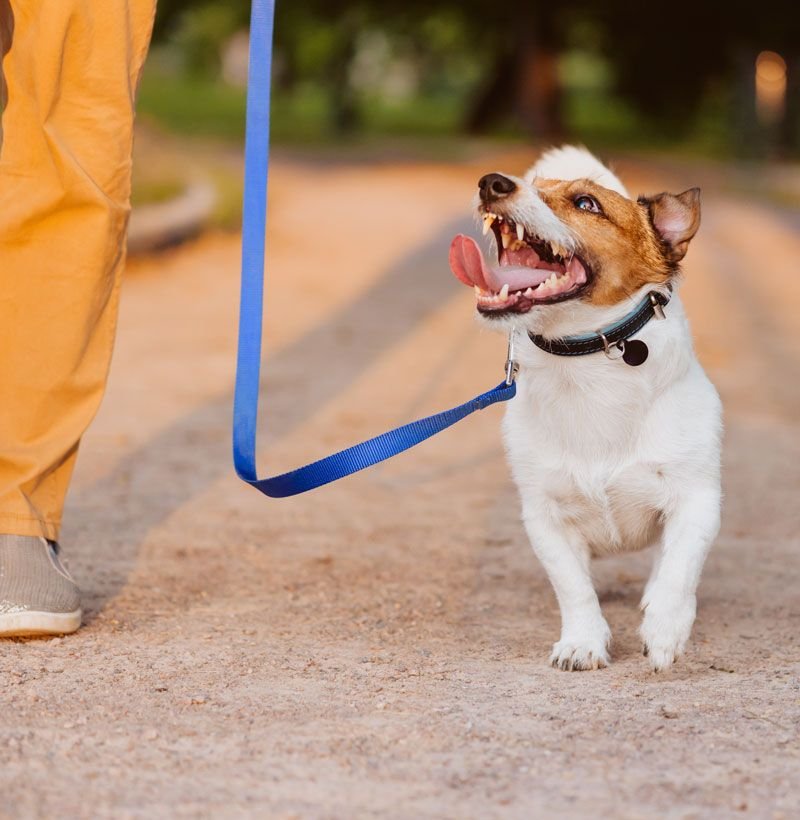
While the desire for rapid results is understandable, it is important to remember that every puppy is an individual, and the pace of potty training will vary. While some puppies may grasp the concept relatively quickly, others may require more time and patience. Setting realistic expectations and celebrating small successes along the way will help to maintain a positive and encouraging training environment for both you and your puppy. Avoid comparing your puppy’s progress to that of others, and focus on the consistent application of effective training techniques.
The question “Can you potty train a puppy in seven days?” is a common one. While some exceptionally quick learners, under ideal circumstances and with diligent effort, might achieve a significant degree of housebreaking within a week, it is more realistic to expect the process to take several weeks to a few months for most puppies to become reliably potty trained. The key is not necessarily the speed, but the consistency and effectiveness of the training methods employed. By adhering to a structured schedule, utilizing positive reinforcement, supervising your puppy closely, and addressing accidents appropriately, you can certainly accelerate the potty training process and establish good habits that will last a lifetime. Remember that patience, consistency, and positive reinforcement are the cornerstones of successful and fast puppy potty training, ultimately leading to a happy and accident-free home for both you and your new furry companion.